
National Geographic’s Spanish revolution
With Historia and Viajes, National Geographic España has shown how heritage, innovation and editorial instinct can redefine a global name.
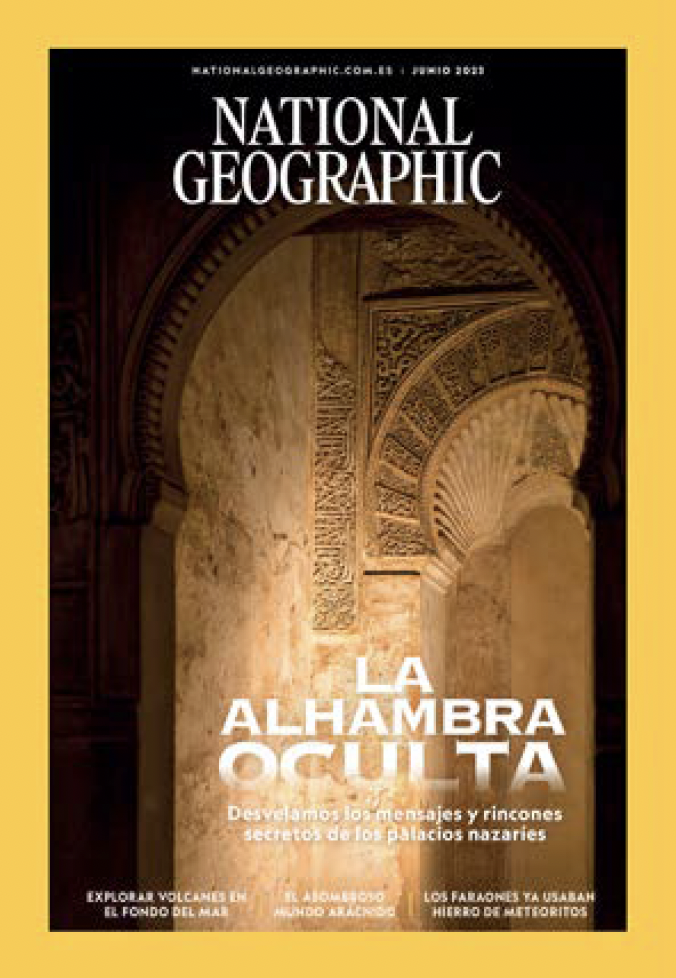
Few magazine brands enjoy the instant recognition of National Geographic. For Spanish readers, that bond has been decades in the making. When the edition launched in 1997, it attracted more than 20,000 subscribers before a single copy hit the newsstand.
“National Geographic is one of the few brands in media that makes people smile when they hear its name,” says Gonçalo Pereira, editor-in-chief of both National Geographic magazines in Portugal and Spain. “It is a valuable heritage in a rapidly changing world. Most publications need to regularly remind their readers of their identity and purpose. I would dare to say that we do not.”
He says that the Spanish market has “enormous affection” for the brand, often spanning the generations. “Spaniards often grew up with the magazine, bought by parents and grandparents. That is why I say working on this magazine is one of the easiest jobs in the world.”

Spanish-born innovation
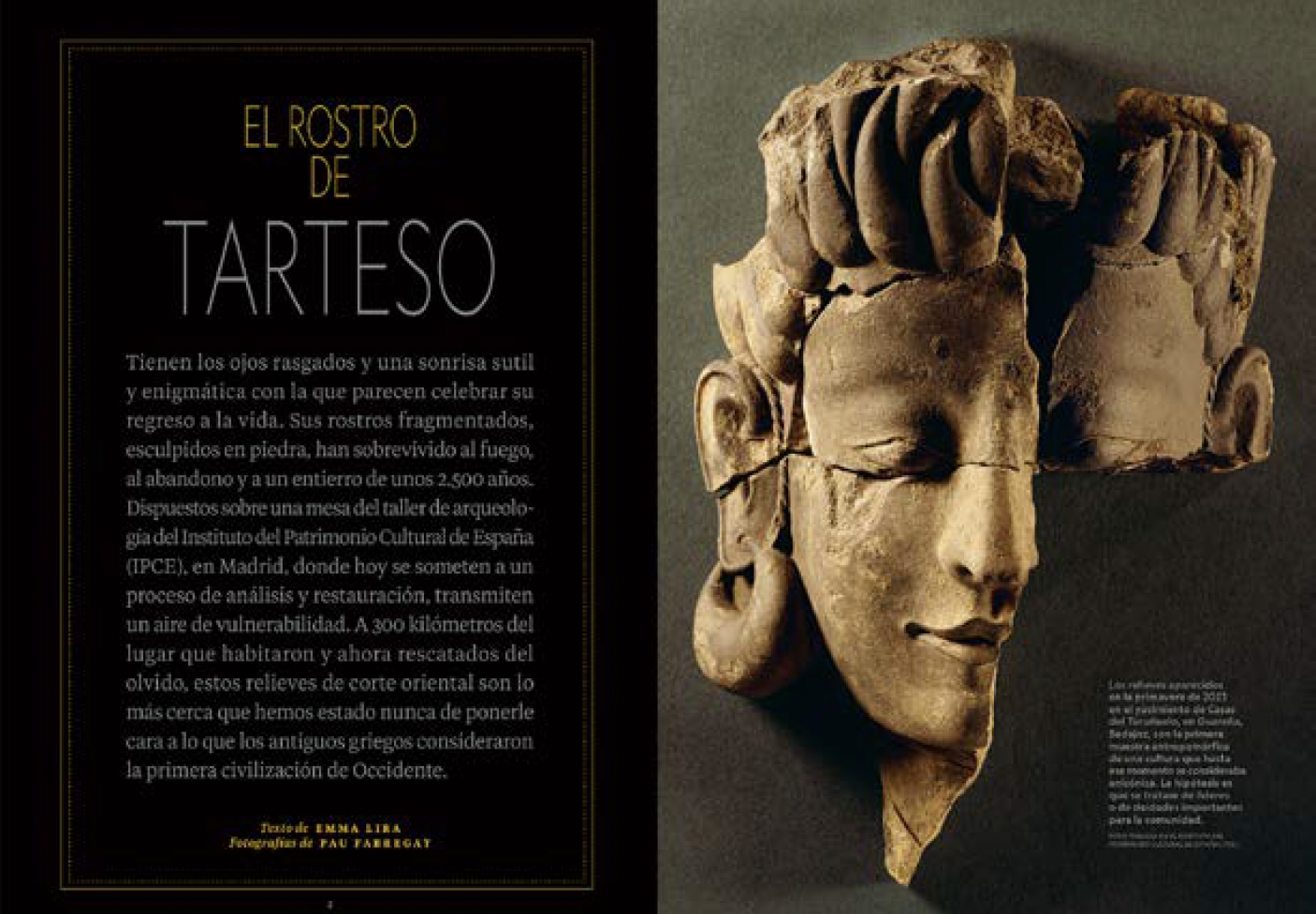
Perhaps the most important contribution to the NatGeo portfolio is Historia National Geographic – born in Spain, and now a global franchise.
“Historia National Geographic began with the simple observation that history-themed covers were usually more successful than average,” says Gonçalo. “Spanish readers enjoy history. They like to learn. They have strong views about the main periods of human history and like to be challenged.”
The resulting concept was simple but transformative: history packaged with NatGeo’s signature visual storytelling.
“Spanish identity is deeply rooted in history, in cultural, monumental and heritage values. At the time of Historia NG’s launch in 2003, there were no such publications in this market,” he explains. “With this in mind, we explained to headquarters that there was a business opportunity here that would not cannibalise sales of the main magazine but would open up new readership paths. We were like the explorer hacking through the jungle with a machete, opening up the path.”
Beyond heritage pride, Spain offered unparalleled depth of material. “It has everything: world- class monuments; representation in almost every period of human history; top-level researchers. In other words: an inexhaustible source of stories.”
At a glance
- Launched: Spain, 1997 (20,000 subscribers before issue one)
- Key spin-offs: Historia National Geographic (2003), Viajes National Geographic
- Print audience: 1.5 million monthly readers
- Digital reach: 2+ million users per month
- Core strengths: History, human evolution, archaeology, Spanish science
A winning formula
The formula – renowned academ-ics writing for a general audience, supported by images that “uphold National Geographic values and break away from the old stereotype of history magazines as visually unappealing” – quickly proved highly successful.
“Every time we attended confer-ences, we were asked how Historia NG worked and how much it sold. There was always a moment of disbelief. We explained the formula countless times,” he says. “We tested that formula in Italy, a country with an identity similar to Spain’s, and it was a success. The formula worked again in Germany, Portugal and the Netherlands. We learnt a lot from each country. There are themes that work very well in one country and fail in another, and that is a delightful lesson about cultural differences.”
One of his proudest milestones was convincing Washington HQ to take the Spanish-born title back to the US.
“It was the first time a local publisher had sold a magazine for the American market back to National Geographic,” he says. “It was a little like the student graduating and showing the master he had learnt something more.”
The team insisted that the Spanish formula remained intact. “For a few months, we debated at length whether to change the formula, but in the end we decided the original formula had to be respected. NG History is a success in the United States precisely because that formula was preserved.”
SAVE THE DATE: THE FIPP CONGRESS RETURNS TO MADRID
The FIPP World Media Congress will come back to Madrid, from 13-15 October 2026. Stay tuned for further details and our Early Bird Offer.
A digital future
Spain’s NatGeo offering is now built around three complementary lines: the flagship magazine, Historia, and Viajes. The coexistence of three strong brands, he says, requires precision: “These three editorial lines complement one another, although they have forced us to adapt – coordinating what we offer requires a certain juggling act.”
With 1.5 million monthly print readers and more than two million online, National Geographic España remains hugely influential. But for Gonçalo, the future is all about “digital, digital, digital”: “We must be the first digital source when Spanish readers seek content on science – not so much for breaking news, but to explain it. We must become the fact-checker of Spanish society, the science polygraph.”
The ambition is bold, but so is the brand’s – and the country’s – track record. “Spanish science has made a huge leap forward… Spaniards are now leading institutes all over the world. And I want to tell their stories,” Gonçalo says. “In archaeology, there are hundreds of mysteries still to be clarified. New technologies will trans-form our knowledge of the landscape.”
And to both the team and their readers, the cover’s iconic yellow rectangle still matters most: “I know the National Geographic cover is still our greatest asset,” he says. “Scientists dream of their project one day appearing there. And I dream that we will have the art and skill to convince them their stories can be told by us!”
Cracking the code: Historia’s formula for success
- Spot the passion point: Look for subjects that resonate deeply with your audience – in Spain, history and heritage was the hook.
- Reimagine the category: Give familiar genres a fresh identity. Historia challenged the stereotype of history magazines as dry and unattractive.
- Curate with balance: Mix the local with the global, and combine different historical eras to widen appeal.
- Test before you scale: Pilot ideas in one market, refine, then expand internationally once the formula works.
- Protect what works: When a model succeeds, don’t dilute it for new markets – consistency builds credibility.
This feature article forms part of 100 Years of Magazines, a special magazine celebrating the past century of magazine media to mark FIPP’s 100th anniversary.