Print’s old strengths still hold, and FIPP now has the data to prove it
Amanda Wigginton, Research Consultant of FIPP and UPM’s new print advertising report, told the FIPP Congress in Madrid that the industry’s case for print has drifted from the evidence, and that publishers must now invest in proving it.
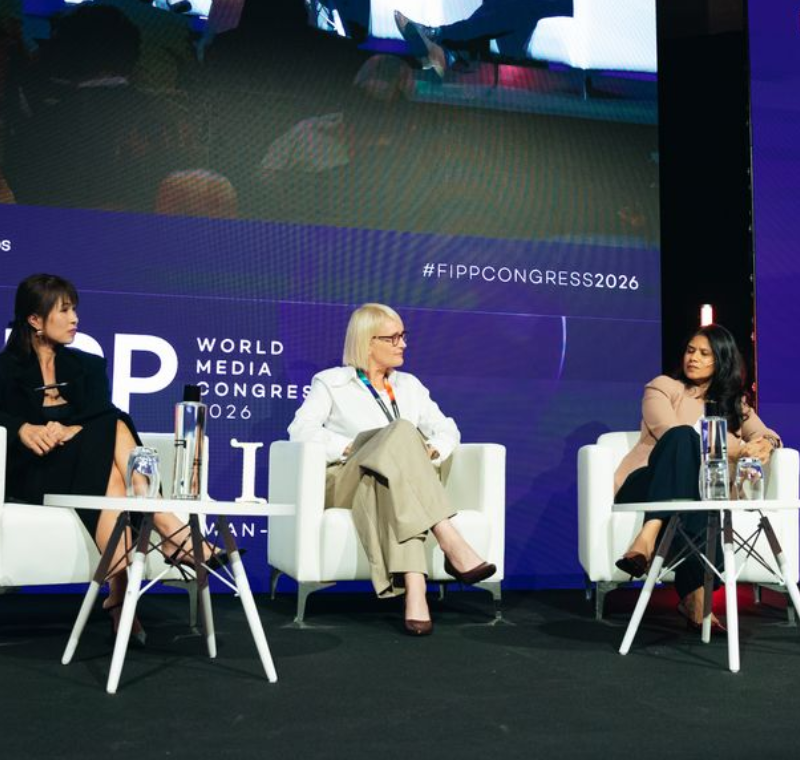
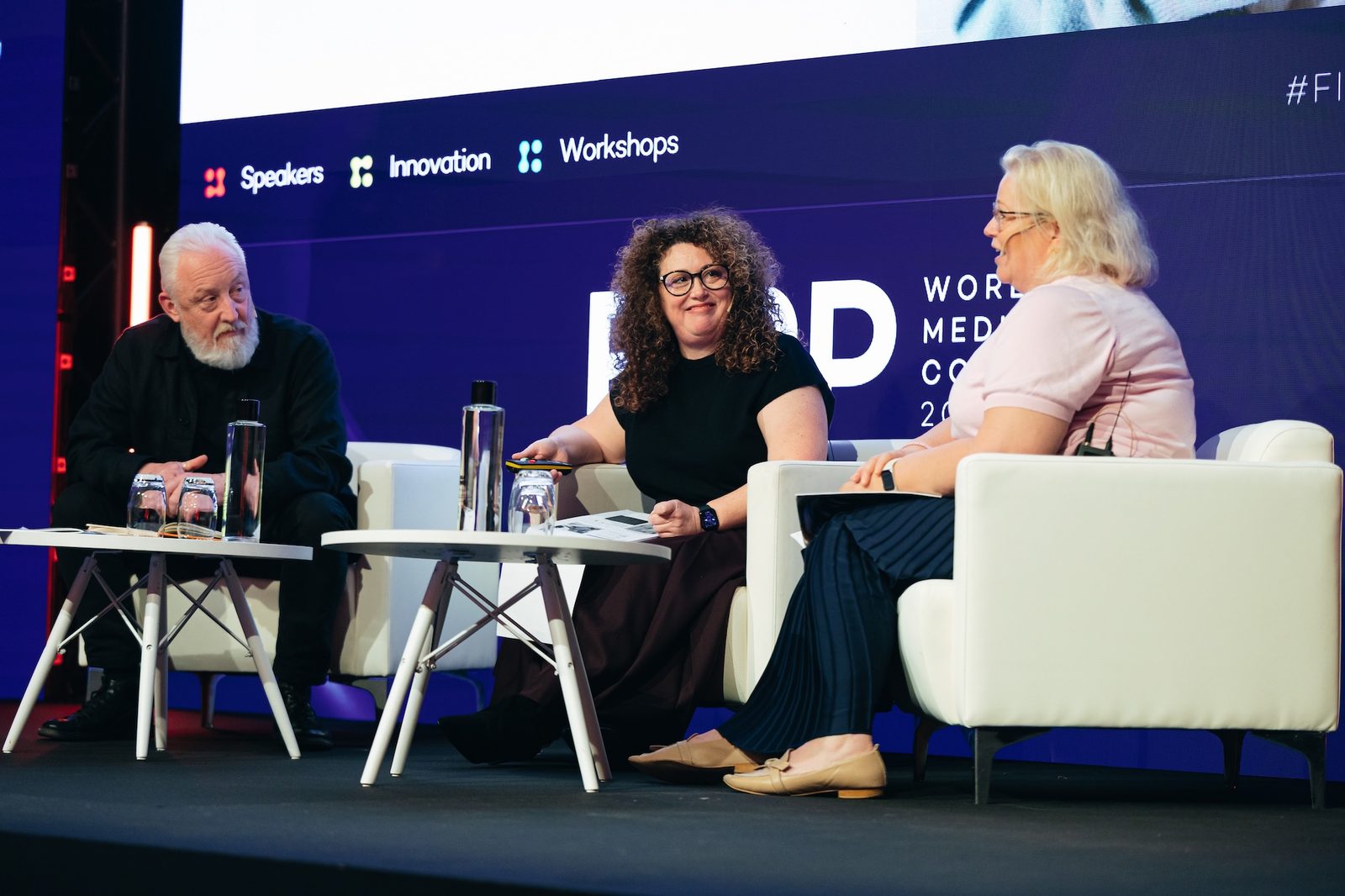
For anyone who has spent a career selling magazine advertising, the most striking finding in FIPP’s new print research may be how little has changed. Amanda Wigginton, the Customer Strategy and Insight Consultant who led the research for the report, said as much on stage at the FIPP World Media Congress in Madrid.
“The most surprising thing for me was that actually everything that I’ve grown up knowing about print remains as valid and as relevant now as it always has been.”
The report, The Enduring Impact of Print Advertising, produced by FIPP in partnership with UPM, is the first definitive print research the industry has had in at least five years, and a great deal has moved in that time: AI has arrived, and consumers have started to push back against doomscrolling. Wigginton argued that any study testing print against that backdrop had to be big.
Big enough to settle the argument
RAM UK surveyed 1,923 adults across Europe, the UK, North America and Australia in the second quarter of 2026. Salomo ran 100 AI-moderated interviews with readers, non-readers, advertisers and brand marketers, completing them in two days. “The respondents are real,” Wigginton assured the room; only the interviewer was a machine. The third layer came from RAM’s effectiveness database: 3,400 print case studies from the past five years, covering what Wigginton put at roughly 750,000 people.
“Data alone is not enough,” she said. The survey shows what people think; the interviews explain why, and the case studies test whether attitudes turn into results.
Trust is still the strongest card
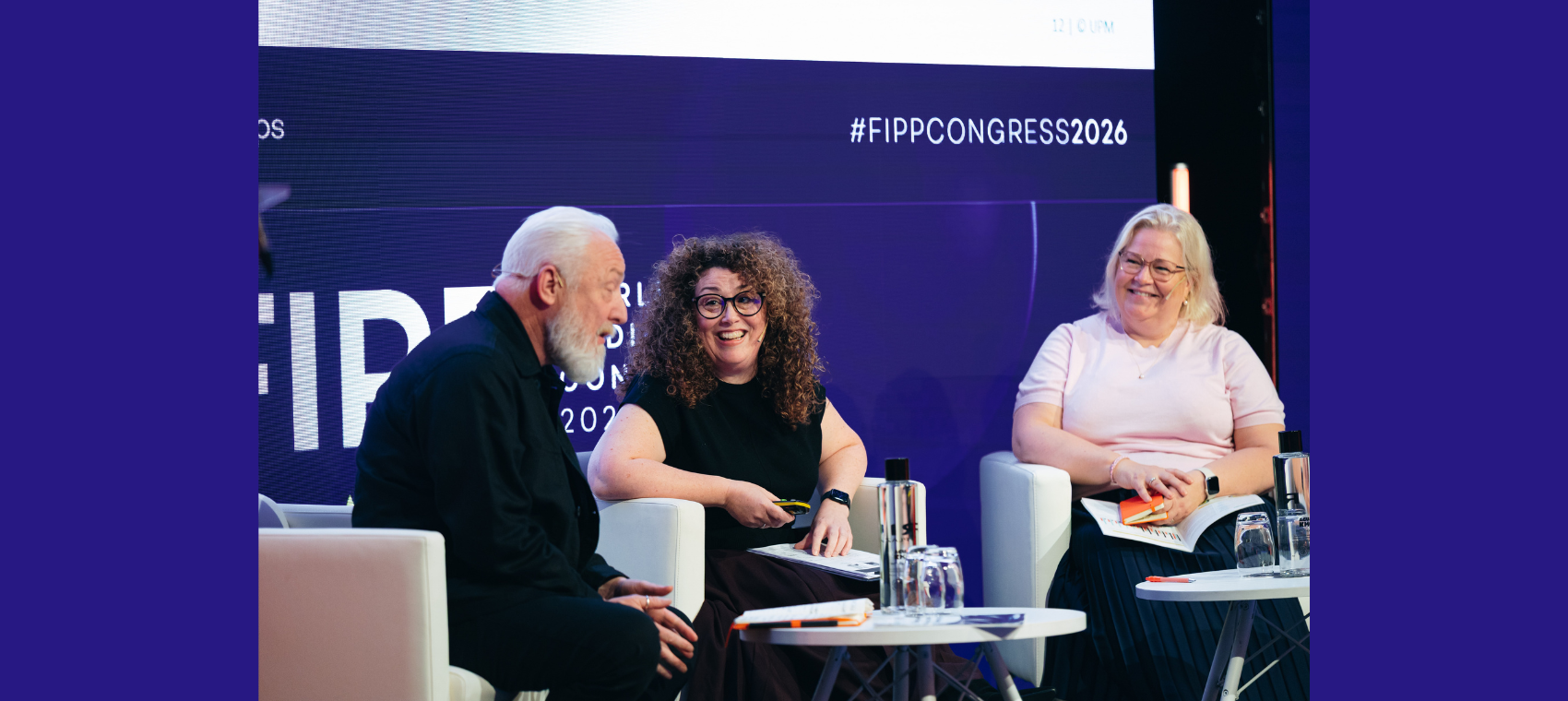
Peter Houston, Publishing Director of Flashes & Flames and Media Voices, who authored the report and moderated the session, admitted she had warned him off the word “revival” beforehand. Her preferred term was correction: the industry’s view of print’s role in the modern media mix has drifted away from the evidence.
Within that mix, magazines rank first for trust, “both as a channel but also in terms of advertising”. One in two people give magazines their full attention, well ahead of any other channel, according to Wigginton. In the survey, 52% agree that magazine advertising is trustworthy, against 33% for social media and 28% for influencers. Two in three readers say they trust their favourite magazine brands more because they are made by people rather than AI.
For advertisers in the interviews, though, the most important thing was brand safety: knowing where their ads will run and what will sit next to them. Print can guarantee both, and Wigginton argued that this lends credibility to a publisher’s other platforms.
Print works further down the funnel than buyers assume
Wigginton described a swing away from short-term performance marketing towards long-term brand building, and closer scrutiny of where budgets end up. “Advertisers are actually paying more attention to where that advertising is going,” she said.
Print has always been sold on awareness, and the RAM data shows it doing more than that. “The consideration number blew us away,” Wigginton said, adding that it has been rising significantly across the case studies. Print also drives people to act, which undercuts the usual justification for shifting money to digital. “Everybody always says that they advertise in digital and social because of the last click and the fact that it leads to the basket. Print does that too.”
There is also a halo effect, or what she called “the brand rub”: advertisers borrow the authority of the title, and readers see the ads as a valuable part of the experience.
Readers are happier, and some of them are young
When readers and non-readers were compared on mental wellbeing measures, readers came out happier, healthier and more conscious of the need for relaxation and time to themselves. Two-thirds say magazines leave them feeling good about themselves. “I can officially say that magazines are good for you,” Wigginton said.
Kati Murto, Vice-President of Marketing, Communications and Sustainability at UPM Papers, tied this to choice. Magazine readers have opted in. Someone scrolling a feed on the sofa has far less say over what appears, and the setting is rarely as safe for brands.
On age, Wigginton rejected the assumption that print’s audience is simply getting older. “We’re not ageing; we’re re-engaging with the next generation,” she said. She was not promising a rush of new readers, “but they are looking for an alternative to digital”. According to the report, four in ten adults aged 18 to 34 say they are reading magazines more than they used to. Murto conceded there is still much to do to turn that interest into readers.
The homework is measurement
Wigginton ended by giving the audience two jobs. The first came up in every advertiser and agency interview: measurement. “I’ve seen it myself, that budget gets taken away,” she said. “It is the number one imperative.”
The second was simpler. “If every single one of us today posted on LinkedIn a fact about print from the report, we’d take over LinkedIn,” she said.
The LinkedIn post costs nothing. Measurement costs money, and it is the job advertisers will hold publishers to. The case for print has not changed in five years; what has changed is that it now must be proven rather than asserted.
Download The Enduring Impact of Print Advertising here.
John Rahim is Editor of The Media Stack.