Trust, tech and Taylor Swift: Jessica Sibley on the remarkable Time 3.0 transformation plan
About three months before Jessica Sibley was set to take over as CEO at Time in November 2002, she sat down in front of her computer to chart a course ahead. Having been asked by her new employers “What would you do with Time?” she looked at the blank screen and typed words that gave a name to the brand’s hugely successful strategic business and digital transformation plan – Time 3.0.
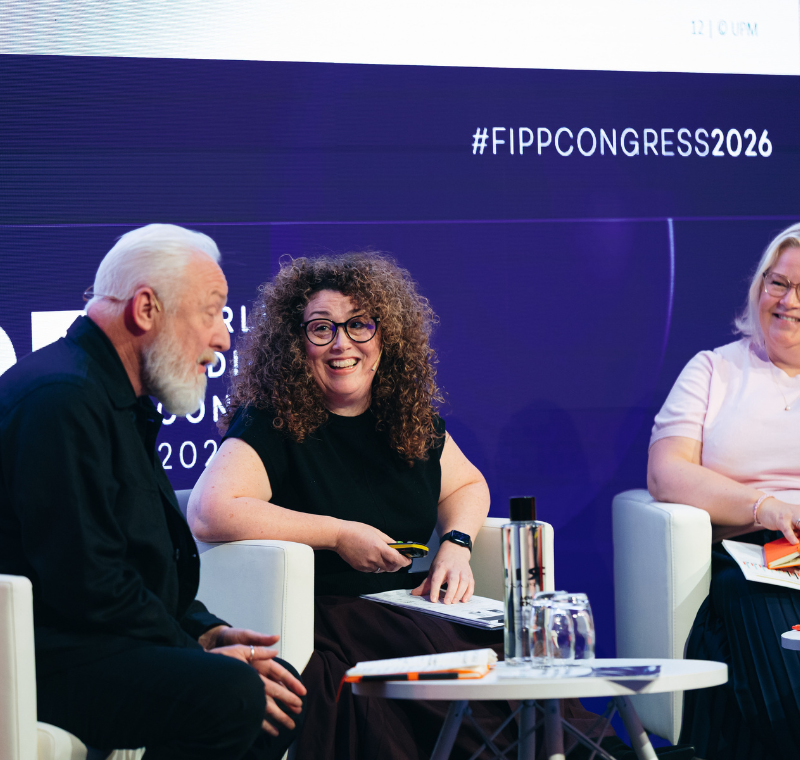
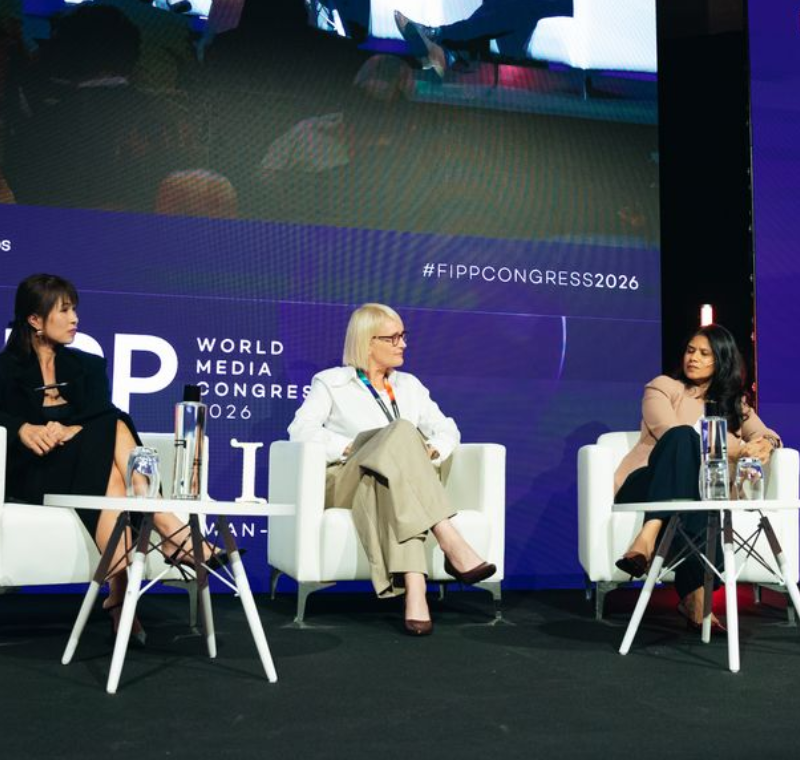
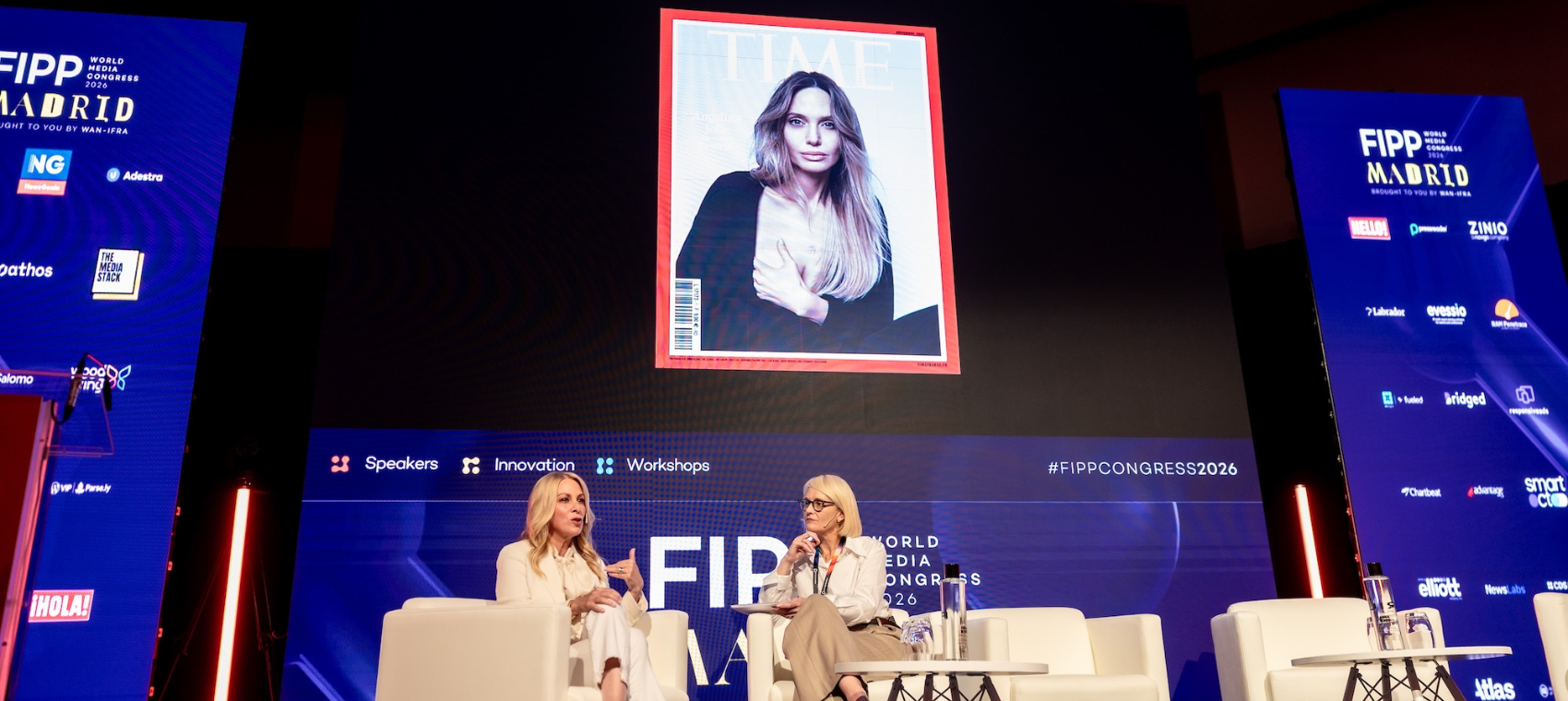
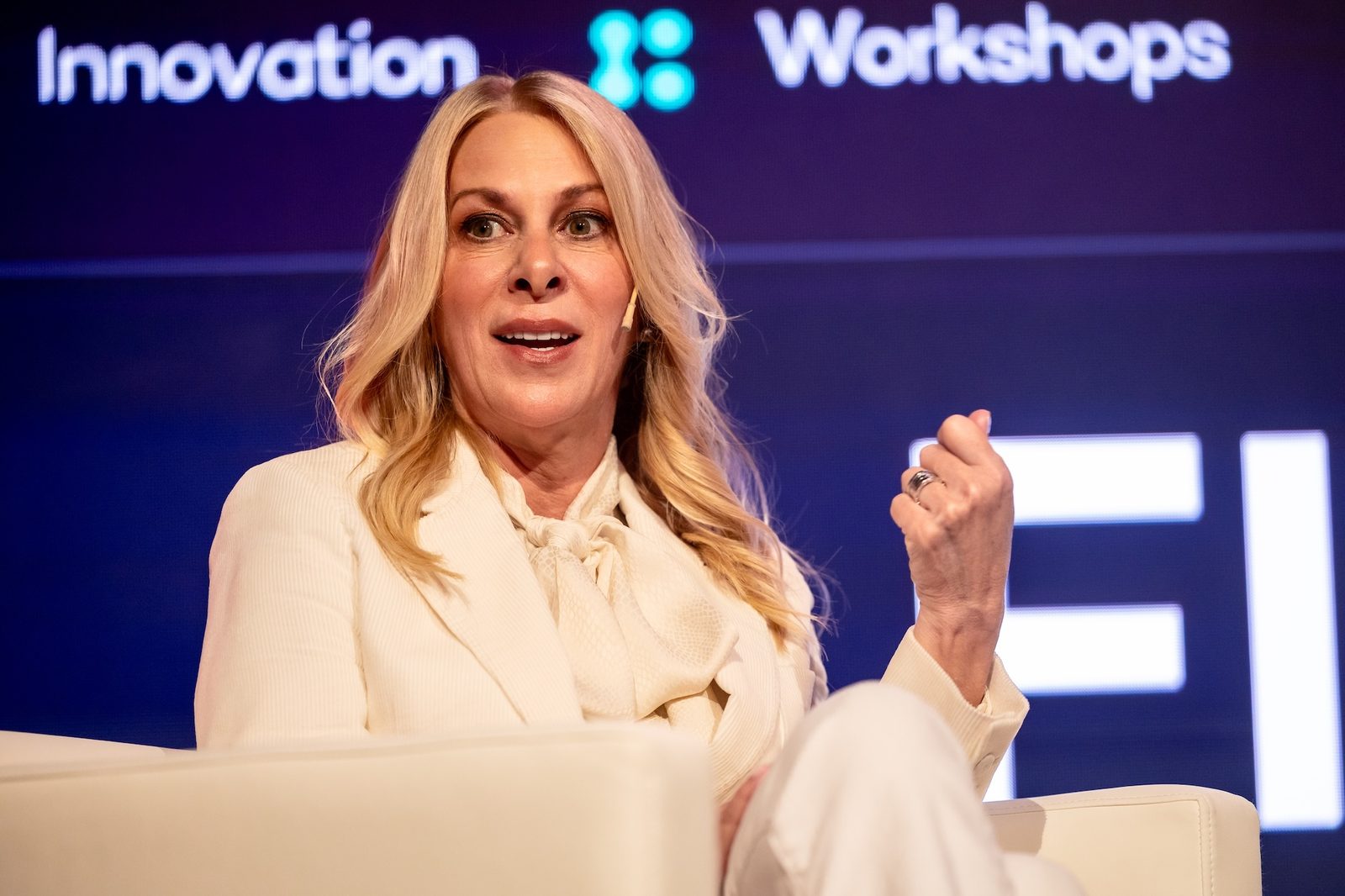
“It became a rallying cry around the organisation, like Time 3.0, let’s go!” she told Minette Ferreira, CEO of Media24 and new FIPP Chair, during the concluding session of this year’s FIPP World Media Congress in Madrid.
“I wrote the plan and it was seven pages in the day I joined. I knew I didn’t have all the answers, so I announced on day one that, as the brand celebrated 100 years, I was going to meet with 100 stakeholders in 100 days. Whether it was politicians, media buyers, planners, CEOs, even celebrities, they were all so proud to share their Time stories with me.
“I learned that we had to balance the celebration of our history and honour that legacy, but embrace the current and future state.”
Part of embracing the current and future state has been to lean into the AI revolution. In 2024, the brand signed a multiyear content-licensing partnership with OpenAI, giving the tech giant access to current and archived articles spanning Time’s history.
A year later, the media company launched its Time AI Agent in collaboration with Scale AI which allows audiences to interact directly with Time’s journalism – from concise news summaries to multi-voice debates – through a unified, AI-powered interface.
And in July this year, Time became the first publisher in the world to serve ads directly to AI agents by embedding sponsored content into machine-readable markdown versions of its web pages.
All these AI innovations are the result of an upstream “revenue recalibration” enacted by Sibley, who quickly realised Time had not made the transition to digital as quickly and as successfully as some of its competitors.
“I was faced with the decision of: Do we look back and try to catch up, which I thought was chasing old trends, or should we look at our priorities and figure out how to build the very best version of ourselves and recalibrate revenue,” she said.
“That meant less reliance on our legacy business and the diversification strategy of figuring out the growth opportunities for monetisation – and how we can further diversify so that we weren’t going to be reliant on just one platform, one technology.
After hiring a COO six months into her tenure (“It probably should have been six days!”) Time made sure data informed everything they did. That included building a dashboard that simulates zero Google traffic as a way of stress-testing the company’s financial resilience and audience engagement levels if search referral traffic were to completely disappear.
“We did this very early on to send some indicators of what Time would look like in a Google Zero era. We wanted to see what it meant for our business, so we could really find new ways and new opportunities.
“Looking back, we’ve been really successful at moving from a magazine to a global, always-on, multimodal, multi-platform, with the largest and youngest audience in our history, because we’ve made those transitions. Even though we weren’t relying on Google, we are on TikTok and WhatsApp. We’re meeting readers and audiences where they are and in whatever format they want to engage in our storytelling and our content.
“And we have done the same in the new AI world. Three years ago, the date ChatGPT launched, we started to lean into AI very specifically and very intentionally.”
Trustworthy, Taylor-made copy
While Time has embraced new technology, it very much remains a brand driven by human connection – something reflected by a surge in the publisher’s signature events (from 11 to 38 over the last few years) as well as the magazine’s iconic, red-bordered covers.
“Our mission has been a focus on people, and as we talk about AI and technology, that approach to humanity is so important,” said Sibley. “If you look at all of our covers for the last year, nine times out of 10 you’ll see a person on there.
“We are writing about people. We’re writing for people, and I noticed very early on that everyone wanted to be on our cover. Everyone wanted an interview with us and a photo shoot, and in many cases, they weren’t doing any other photo shoots or any interviews at all. The range and diversity of the people that we get access to, is just unprecedented.”
Among others, the new CEO of Apple, John Ternus, Bad Bunny and Taylor Swift have all recently given exclusive interviews and cover shoots to Time. Crucial to their decision to talk to Time is the trust built up by the magazine over more than a century.
“In six years, Taylor Swift gave one interview and that was to Time, and she did eight outfit changes, and we had three covers,” said Sibley.
“She doesn’t have to give an interview – she can talk to her fans directly, but she knew being the Person of the Year on the cover of Time was history-making.
I could give so many of these examples, and we really leaned into that – to take it back to trust, our number one core value. Why is Taylor Swift, or President Trump, or Italian Prime Minister Giorgia Meloni, or David Beckham, or Bad Bunny, giving only interviews to us? It’s because of that trust, and they know we’re going to be fair and balanced.”
Gathering AI momentum
Sibley described how Time’s foray into AI started at a brisk pace with the OpenAI deal before the publisher took a pause to consider what the path forward should look like.
“The first step was infrastructure. How do we protect our IP? How do we understand what’s happening on Time.com with our journalism? How can we embrace this new technology?” said Sibley.
“Also, we had to make sure that AI doesn’t happen to us. We make AI happen for us. So how do we educate our newsroom and our employee base to be super proficient, use this technology and use it responsibly? How can we also double down on getting access to the builders of AI? How do we get a seat at the table with all of the AI leaders?”
The second step was the decision to negotiate not litigate when it comes to tech companies.
“We’ve been pretty firm on that to this day,” Sibley pointed out. “We reached out to the AI builders and leaders to talk about the value of our content and to negotiate an opportunity. So, it was licensing as well as partnerships.
“We then realised we wanted to build products. We wanted to give our readers the opportunity to engage in our journalism in a summarisation format, an audio format, and we were able to partner with Scale AI to build products which we still have today.
“And now we’re moving into the next phase, which is advertising, and we’re really excited about that.”
Time’s pioneering partnership with ad-tech vendor Mobian sees stripped-down text markdown versions of its web pages served to AI crawlers and LLMs, while human users and standard Google search bots see normal HTML. So far, Time has seen a balance of agentic traffic and human traffic of around 50/50.
The markdown versions, that drop the design and images, makes it easier for AI systems and agents to read. The easier that access, the better its chances of showing up in generative search queries.
Early brands testing the AI-agent ad placements include Ally Bank and the Project Management Institute.
“We’re really building what we think is a huge opportunity and a huge business, and it really starts with brands and those that are leading communications, marketing, AI technology, thought leadership, products, and moving into discovery and conversion,” said Sibley.
“How do we engage these agents? We noticed that there was a really big gap in how they market and how they communicate their products, and how they show up in the answer ecosystem. So, whether using Gemini or ChatGPT or Perplexity, there is a big gap, and we figured out a way, with Mobian, to close it.”