Cracking the code: Lynda Newland of Puzzler Media on how puzzles can boost audience engagement and subscriber retention
Like is so often the case, Lynda Newland first fell in love with puzzles as a child. It’s a passion that’s very much continued into adulthood, according to the Deputy Managing Director of Puzzler Media – the UK’s largest puzzle creator and supplier.
“I tend to stick to word puzzles as I spend a lot of time at work poring over numbers,” she explains. “I particularly love a codeword which I only discovered when I started working for Puzzler. I find puzzles a really good way to switch off and always make sure I have one on holiday.”
An appreciation for the power of puzzles makes Newland the perfect fit for Puzzler Media. Described by Newland as a “B2C business with a strong B2B arm”, the group produces just under 100 consumer magazines globally, mainly in the UK but with additional businesses in Australia and New Zealand.

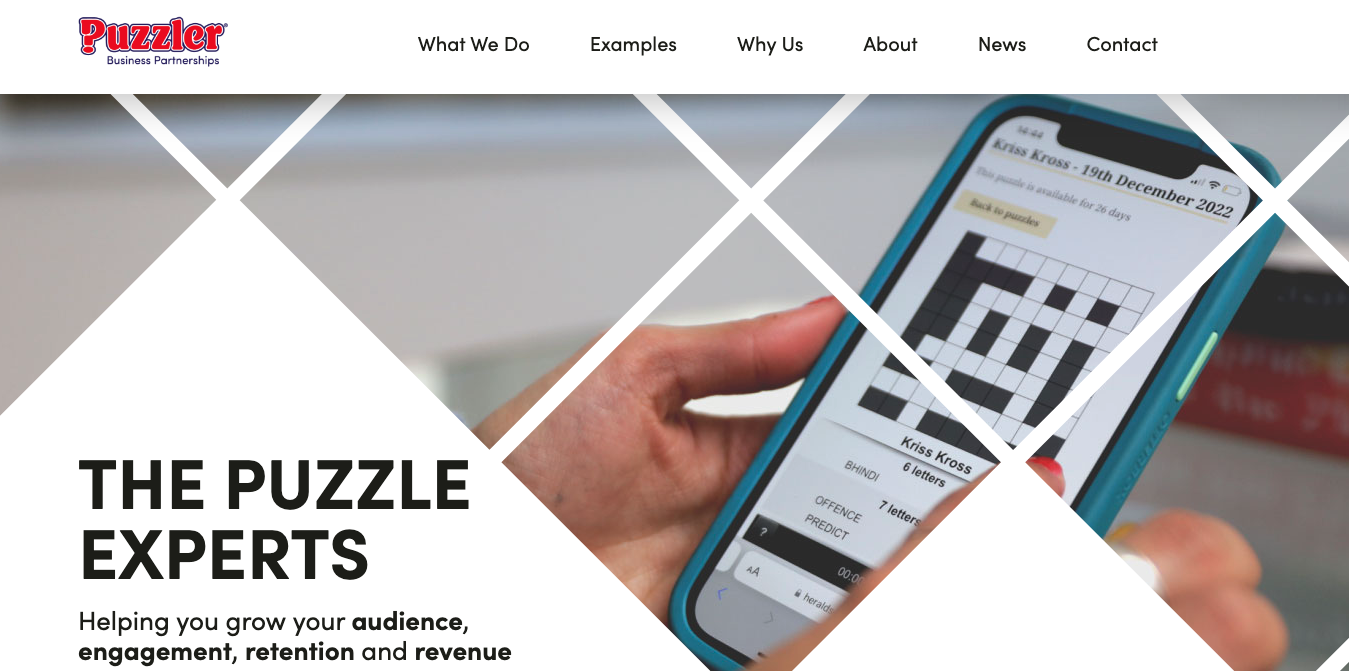
Puzzler Media creates over 500,000 puzzles per year across all puzzle types, and the company’s B2B business (Puzzler Business Partnerships) serves national newspapers, magazines, TV partners, book publishers, newsletter and app publishers around the world. For Puzzler Media’s diverse client list, the benefits of puzzles have been clear and numerous.
“Our client data shows that, on average, users are three times more likely to return to their platform and will spend more than twice as long there when compared to areas on their platform that don’t have puzzles,” says Newland. “There are ad performance benefits linked to this engagement, but by far the most common use case is for clients to use our solutions to turn their unknown audiences to loyal, known customers.”
According to Newland, puzzles account for more than 60% of all registrations for media clients and increase newsletter open rates by over 20%.
“We have some clients that have introduced puzzles and within 12 months had over 80,000 registered players per month,” she adds. “It’s this ability puzzles have to make people commit to a brand that’s most powerful.”
Puzzles also have the ability to help solve one of the main problems that comes with membership content, which, while essential, sometimes is only used by people over specific periods of time, making it hard for businesses to have an ongoing informative conversation with its members.
By using Puzzler Media’s puzzle solutions, media companies with membership programmes can increase return visits, making it easier to promote offerings and benefits.
“We work with one global membership organisation which has over 250,000 members on their app. Puzzles make up the top six of their most viewed pages and over 70% of the overall engagement time, so it’s a great way of bringing people back to the brand all year round,” says Newland.
“Puzzles are high value interactive content that people are willing to pay for. In situations where there is gated or membership-only content, our solutions are able to effectively drive free-to-read users down a pathway to purchase.
“Clients can do this by first allowing the users to play a very limited number of ‘teaser’ puzzles and then once that user has sampled the content, they will be asked for either a registration email or membership sign up to continue to play. We do this successfully for a number of large publishers and on average over 60% of their overall registrations come from puzzles versus all other content.”
The feel-good factor
Another way puzzles help media businesses is by increasing overall customer satisfaction. Puzzles are known to improve mood and mental health which, in turn, reinforces positive brand association, leading to increased purchasing, subscriber retention and overall satisfaction.
“We know first-hand from readers that our puzzles play an important part in their mental health,” explains Newland. “During the pandemic, mindfulness and mental health wellbeing came to the fore. Stress of the unknown was at an all-time high and it was heart-warming to receive so many grateful letters from customers telling us how much their renewed love of puzzles had helped them through some tough times.
“We all need to find time for ourselves in our busy lives to ensure our own wellbeing. The act of solving puzzles is a form of mindfulness in itself and entertaining too. Whether you’re solving solo or with a friend or family member, making time for a puzzle can be a wonderful mood-booster.”
The fact that lockdown caused a huge increase in the number of people tackling puzzles – in print and digitally – shows the enduring appeal of brainteasers. And it’s a popularity, Newland believes, cuts across generations.
“People use puzzles for a variety of reasons – for fun, to relax, to challenge themselves, for mindfulfness and so on,” she says. “They remain hugely popular with all ages, and we can create puzzles for all audiences. We create puzzles in all mediums so I’m hoping we are delighting the video game-loving generation.”

Puzzler and the power of print
While Puzzler Media has embraced digital products, the company started as a print business and print still accounts for the majority of its revenue. For Puzzler Media striking a balance between print and digital is a key part of its success.
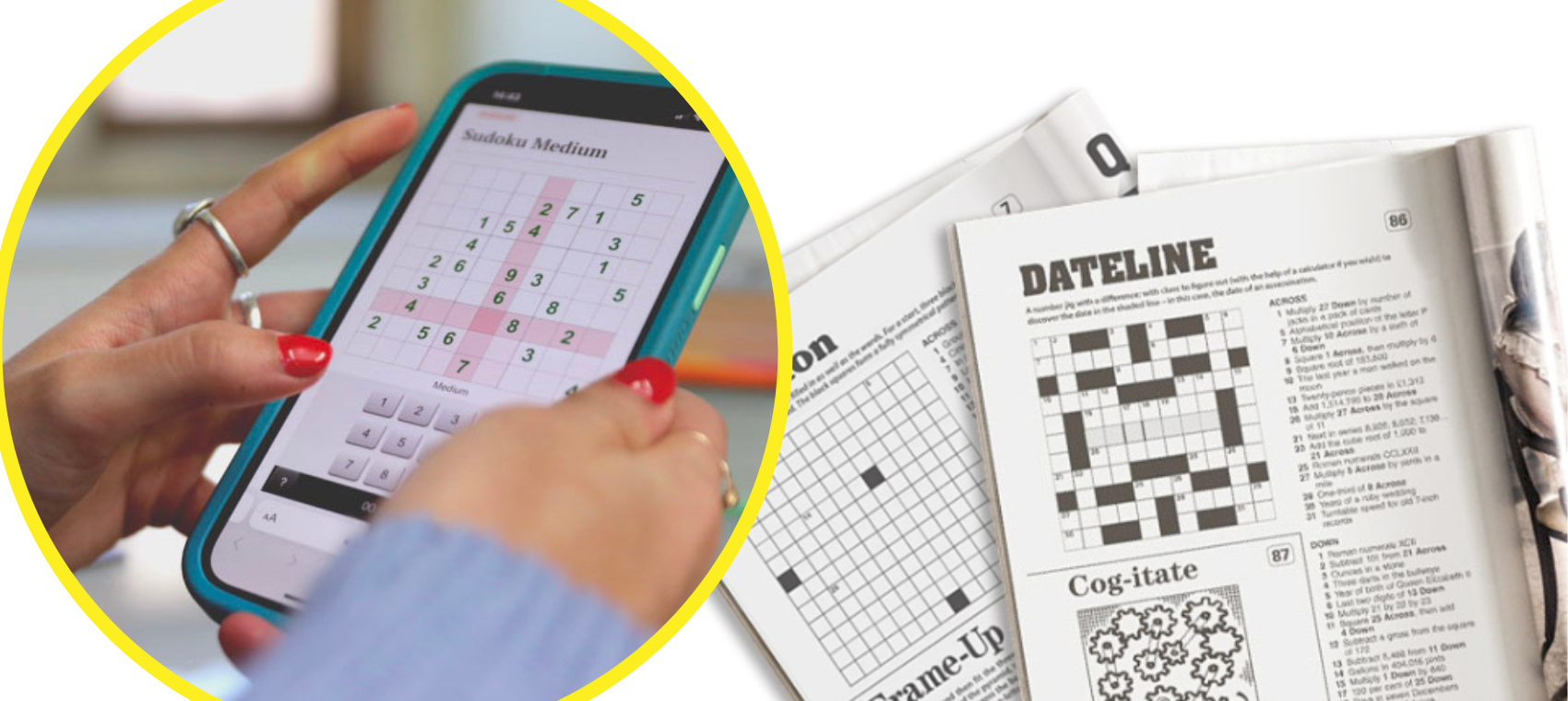
“Some puzzlers still love the pen and paper experience, so we don’t see that changing in the short term,” Newland points out. “We also have online puzzles and apps, and we supply lots of clients with digital puzzles. Some puzzles work really well in the digital world and there’s a lot of demand for them.
“How people puzzle is really a personal preference. Some people will do both print and digital depending on their circumstance at the time, so the mediums complement each other.”
Puzzler Media’s range of print products is spearheaded by Puzzler, the UK’s best-selling puzzle magazine that was launched in 1972 and is packed with a huge variety of brainteasers, including Boxwise, Numerical Crosswords and Sudoku. Part of Puzzler’s decades-long success – and that of other titles – has been the ability to gauge trends and move with the times.
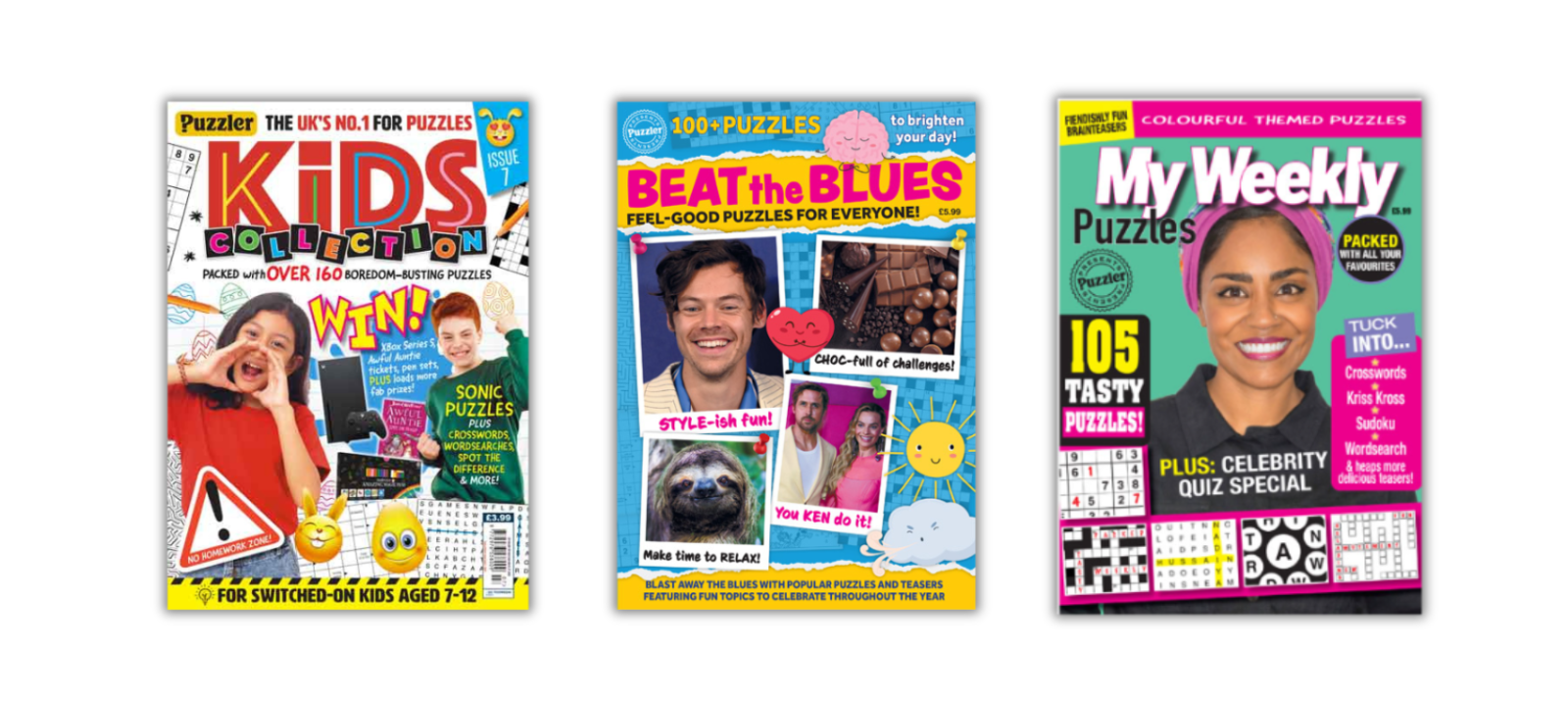
“We have titles that have been market leaders for years but still need tweaking and honing to make sure they are relevant, inclusive and fresh,” says Newland. “We regularly introduce new magazines where we feel there is a gap and in the past few years created a ‘Puzzler Presents’ range that focusses on a different theme each issue – from Scotland Yard puzzles to Jolly Jubilee.
“From a B2B perspective, we constantly introduce new puzzles to our digital service and fine-tune the UX/UI to give clients the most up-to-date look and feel.”
Fun for all
An example of Puzzler Media staying relevant is the re-launch of its popular kids’ magazine.
In March last year, Quiz Kids, which was launched in the late 1990s, was replaced by Puzzler KIDS Collection – a title containing content requested by kids and parents; designed by a specialist in children’s magazines and compiled by editors who were once teachers.
“We re-launched our market leading kids’ magazine to make sure it was up to date and inclusive,” says Newland. “We wanted to remove gender stereotypes and make the content more relevant to today’s kids.
“We are also putting focus on the titles aimed at adults by ensuring our choice of cover models is inclusive, that the internal content is relevant to today’s audience and making sure any outdated clues aren’t included.”