From AI to audience growth: global media leaders tackle the industry’s biggest questions at FIPP Congress
Harvard Business Review, Time, People Inc. and leading Spanish publishers were among the voices shaping Day One in Madrid.
How can media businesses grow when technology, geopolitics and audience behaviour are all changing at once?
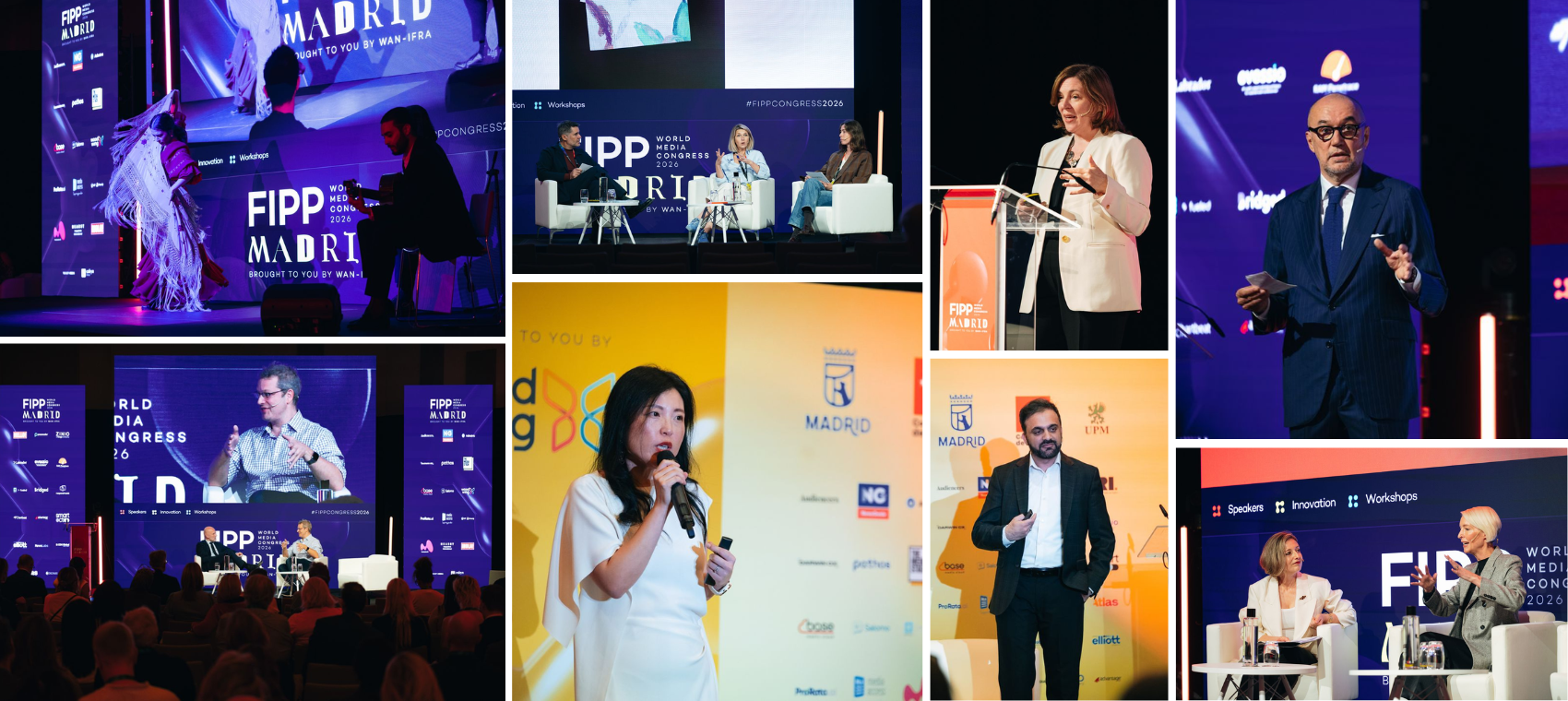
That was one of the key questions running through the first full day of the FIPP World Media Congress in Madrid, as media leaders from around the world explored everything from AI and digital transformation to audience focus, international growth and the enduring role of print.
Following a welcome from Andrés Rodríguez, Founder and President of SpainMedia and President of ARI, and FIPP’s Alastair Lewis, Rodríguez highlighted the importance of trusted media as technology transforms how information is created and distributed. “We are the gatekeepers of this tsunami of information,” he told delegates. “We don’t need more information. We need the right information.”
Trust, protecting the value of content and finding growth amid rapid technological change emerged as recurring themes throughout the day. DPG Media Executive Chairman Christian van Thillo reflected on the need for media businesses to keep reinventing themselves through successive waves of disruption, warning that AI could prove even more disruptive than the digital transformation that came before it.
That sense of upheaval was echoed later by INNOVATION Media Consulting President Juan Señor, who described the current moment as one in which “the electric age” is meeting “the Enlightenment Age” – a change he called “existential and incredibly profound”.
AI’s impact on publishing was explored across the programme, with a recurring emphasis on being proactive rather than defensive: protecting content, understanding its value and striking deals where there is a genuine commercial relationship.
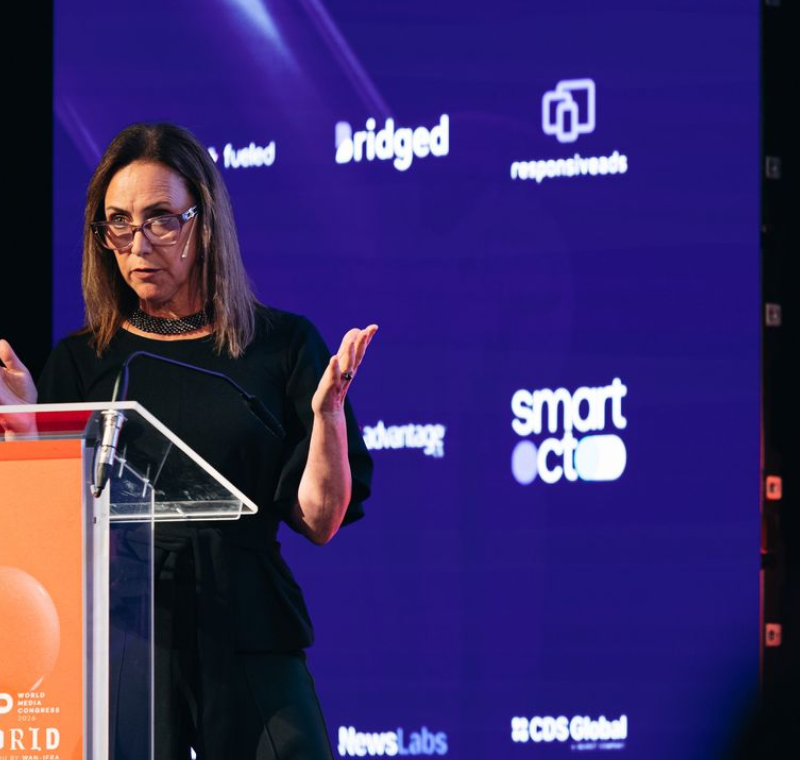
On the 101 Stage, People Inc. Chief Innovation Officer Jonathan Roberts argued that publishers should control access to their content rather than leave it open to unrestricted extraction. “If someone is robbing your house, why would you not lock the door?” he asked.
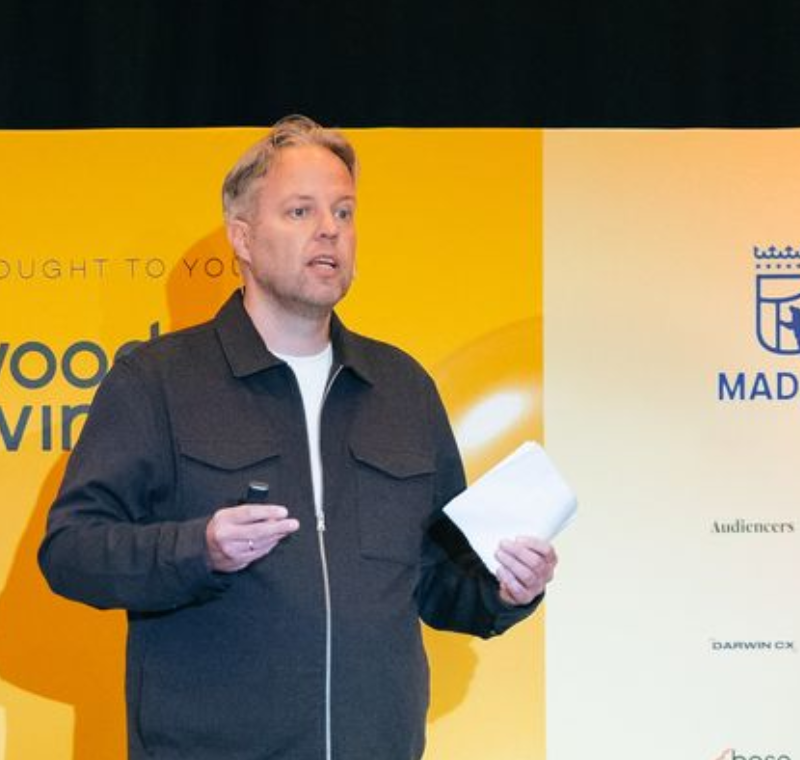
Audience growth was another strong theme. Harvard Business Review’s Erika Heilman discussed how a sharp focus on its C-suite audience is supporting growth, while Spanish publisher MANERA showed how a distinctive print-first proposition has expanded from Spain into Mexico and Benelux.
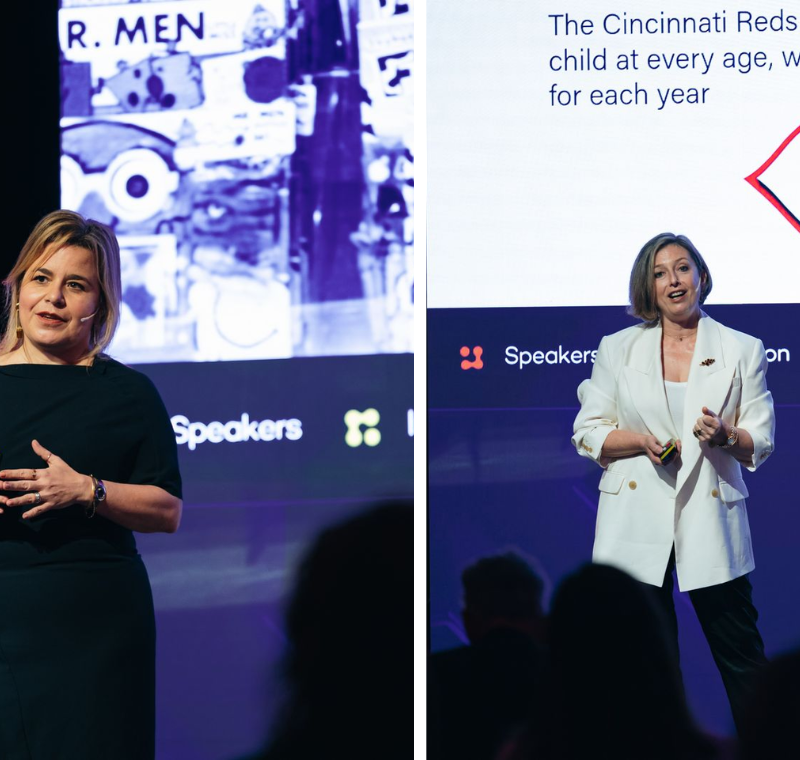
New FIPP research also challenged assumptions about the role of print, with Amanda Wigginton highlighting its strengths around trust, attention and brand safety, alongside signs that digital fatigue may be creating renewed opportunities for publishers and advertisers.
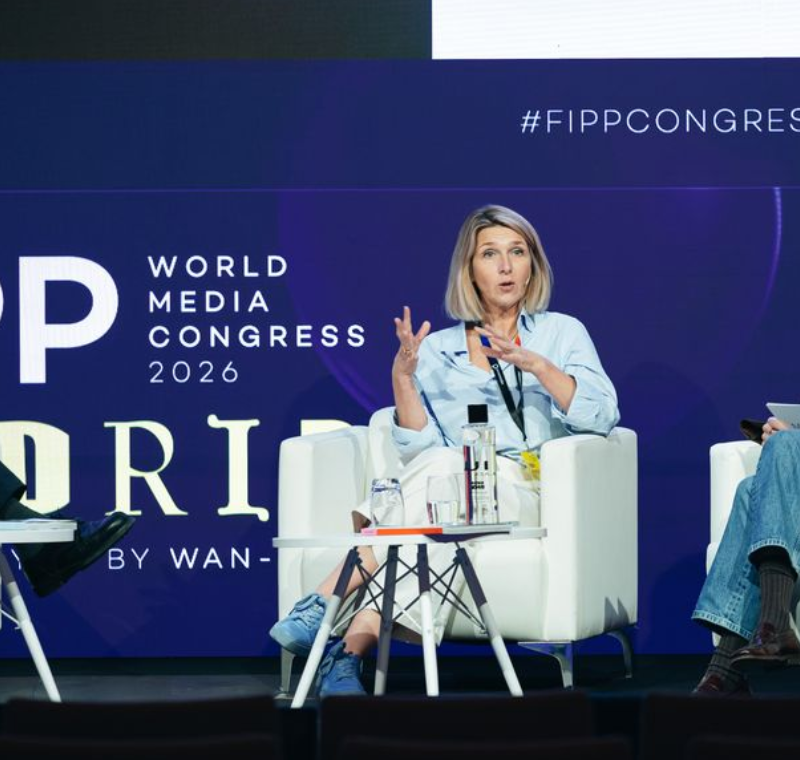
Across the FIPP Stage, 101 Stage and workshops, Day One also examined subscriptions, licensing, memberships, events, advertising, acquisitions and community-led revenue, with speakers from media businesses across Europe, the US and beyond.
Following the sessions, delegates headed out into the city for Taste of Madrid, choosing from a programme of food, culture and football experiences.
Congress returns tomorrow for Day Two, with speakers including The Guardian, The Economist Group and The Athletic, alongside a session bringing together media leaders from India, South Africa and Vietnam to examine the next wave of global media growth.