
Searching for answers: How Allure is successfully negotiating the new discovery landscape
The rapidly changing discovery landscape has forced media brands to find better ways to reach and retain readers. For one American women’s fashion beauty magazine, the solution was written in the stars.
Condé Nast’s Allure, a leading beauty brands since the early 1990s, discovered it was particularly exposed to AI Overviews, the Google Search feature that puts a summary at the top of the page. The reason? Its zodiac coverage.
A 2025 study conducted by Future Media and Authoritas found that AI Overviews heavily target informational, top-of-funnel content like zodiac signs and personality traits.
By fielding simple queries such as “what is my zodiac sign?” AI summaries can gobble up to 79% of click-through traffic previously captured by lifestyle publishers. For Allure that was very bad news.
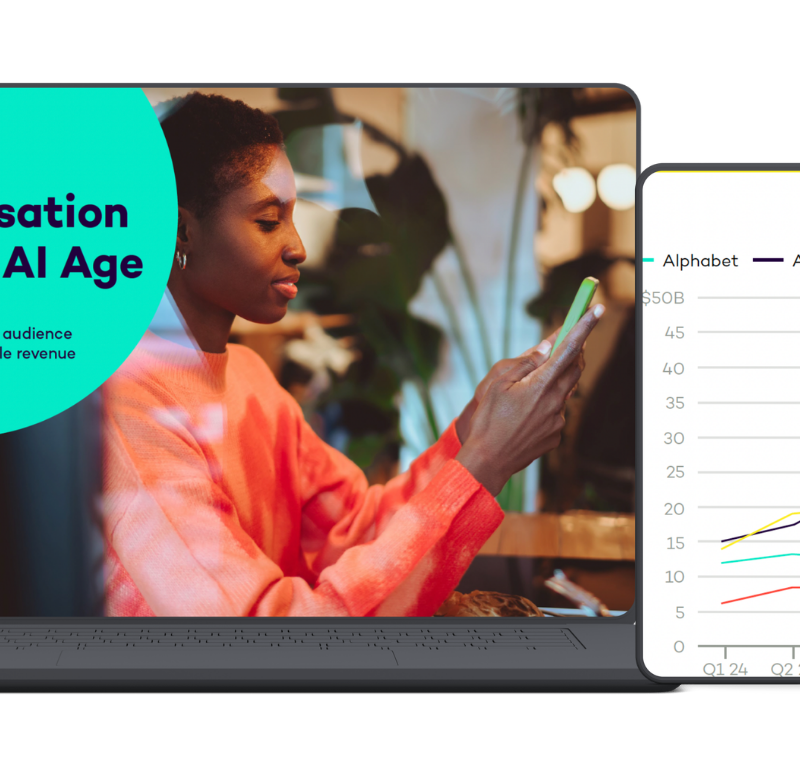
“Allure wrote a lot about zodiac and personality traits. That was the secret thing we used to do on that brand that would give us massive numbers,” Condé Nast’s VP of Audience Strategy, Sarah Marshall, reveals in FIPP’s recently released AI report, Discovery and Distribution for the AI Age: The Rise and Fall of the Trillionaire Paperboys.

VP of Audience
Strategy, Condé Nast
The strategy worked extremely well for a while – page views were enormous; ad revenue scaled with traffic; and Allure ranked highly on Google. But Allure were not hanging onto its readers, and a lot of traffic did not translate into a boom in subscribers.
According to Marshall, Allure’s high-end beauty journalism was subsidising search engine arbitrage with strangers who never came back. When AI Overviews started surfacing horoscope summaries, Condé Nast knew it was time for a change.
“When we realised that zodiac was getting all these AI Overviews, we stopped doing it.
We stopped investing in it,” says Marshall. “We decided we were not giving it to Google, so we doubled down on our core, on beauty.”
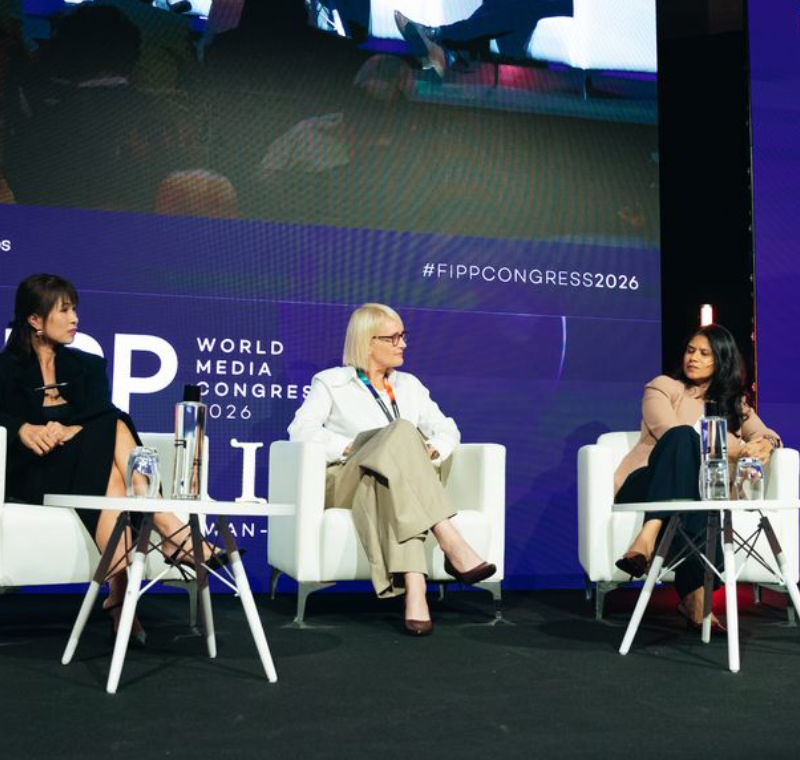
Ricky Sutton, author of this report, will be on the FIPP World Media Congress stage interviewing Former Australian Communications Minister Paul Fletcher, to explore the relationship between publishers, platforms and politics. Check out the Congress agenda, speakers and how to book your place.
The beauty of connecting with readers
Having an issue with AI Overviews is, of course, not unique to Allure. Marshall – who works across the entire global portfolio of Vogue, GQ, Wired, Vanity Fair, Architectural Digest, Pitchfork, Bon Appétit and Allure – believes Condé Nast has been structurally exposed to the Google Search feature from day one.
“Most of our brands are less newsy,” she points out. “They’re more evergreen, always-on content. So, we have been quite exposed. For some of our brands nearly 80% of our top keywords now get an AI Overview.”
Allure’s pivot to a strategy more focused on a direct connection with audiences through its core strengths was precipitated by Elon Musk’s high-profile takeover of Twitter. After Musk bought Twitter in October 2022, referrals began to dip. A month later Condé Nast had a strategy in place to move away from platform traffic.
“By December, we had KPIs and strategies that were focused on direct-relationship audiences,” Marshall recalls. The wisdom of that decision was underlined when, after Meta changed the Facebook algorithm in June 2023, a fifth of Condé Nast’s social traffic went up in smoke overnight.
“That was another big sign. We were very exposed to Facebook in particular markets,” says Marshall.
In response, Condé Nast began refocusing its SEO team towards driving traffic to its owned titles, while editorial resources were increased for long-form expert pieces, product testing and beauty interviews. That led to a turnaround in product quality as well as customer loyalty and turned Allure into the star performer in the Condé Nast stable.
“Allure is our growth brand at the moment. It’s growing total audience, and core audience,” says Marshall.
“We stopped doing the thing that we were only really doing for the internet and scale, and we stuck to our core values. And we are being rewarded for that.”
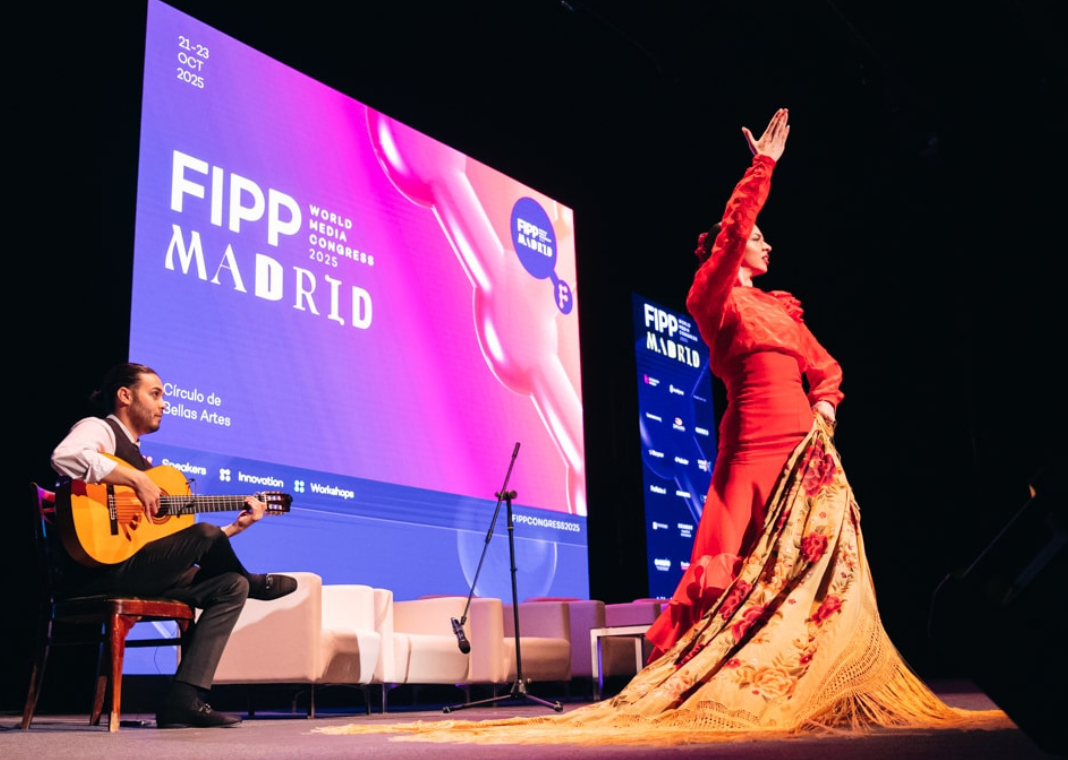
48th FIPP WORLD MEDIA CONGRESS
13-15 October 2026, Madrid, Spain
Last few tickets remaining!
Join the global media community in Madrid before the final places disappear.
Want to stay where the action is?
Contact us to find out about accommodation at the Congress venue, Hotel RIU Plaza España.
Back to brand
Allure’s success has lured high-CPM advertisers who are keen pay top dollar to be associated with a quality beauty magazine. Being a trusted brand, Marshall stresses, is critical.
“If you haven’t got a brand – if you’ve not made it a household name by doing great journalism – then you’re in trouble,” she says. “Brand is so important. That’s been my number one take away.”
Allure’s transformation is part of a wider reorganisation at Condé Nast, with the company adopting a different set of analyses. KPIs have shifted from how much traffic an article generates to who the audience is, and how often they come back.
“If we were talking a few years ago, I’d be talking about the most read story yesterday,” Marshall says. “Now the conversation is really about the person.
“How do you end up searching for a luxury hotel in Paris? And then how do you get a package of content geared towards your trip to Paris?”
Condé Nast tracks two universal KPIs across every brand and every market: total scale (defensive, because it drives subscriptions, advertising and commerce), and direct-relationship unique page views (newsletter, homepage, owned apps and brand index pages).
While the ad team sold by vertical a couple of years ago, they are now organised by brand. “Otherwise, you’re trying to be everything to all people, and you never get there,” adds Marshall. “It’s back to brand and focus on people.”
The new strategy has led to remarkable success. In the US, direct traffic has now overtaken search. “It’s a good story, and we’re happy to have it because it’s much more reliable traffic,” says Marshall.
“Luckily, we didn’t go down the SEO-for-scale road with other brands. It was only Allure that we played the game on. I’m grateful. I think a lot of those publishers who did are probably in a position like us, where they’re deciding to not give it to Google any more – and just give up on it.”
Written by Ricky Sutton, author of The Future Media Substack, Discovery and Distribution for the AI Age is a landmark report built on three years of data, direct reporting and interviews with global leaders in publishing. A second report by Future Media in September will focus on monetisation, followed by a state-of-the-industry report for the FIPP World Media Congress in Madrid in October. You can download the full report here.