Inside FIPP World Media Congress: Five shifts shaping the future of global media
Two months after Congress, the newly released report shows how the key themes from Madrid will define the year ahead
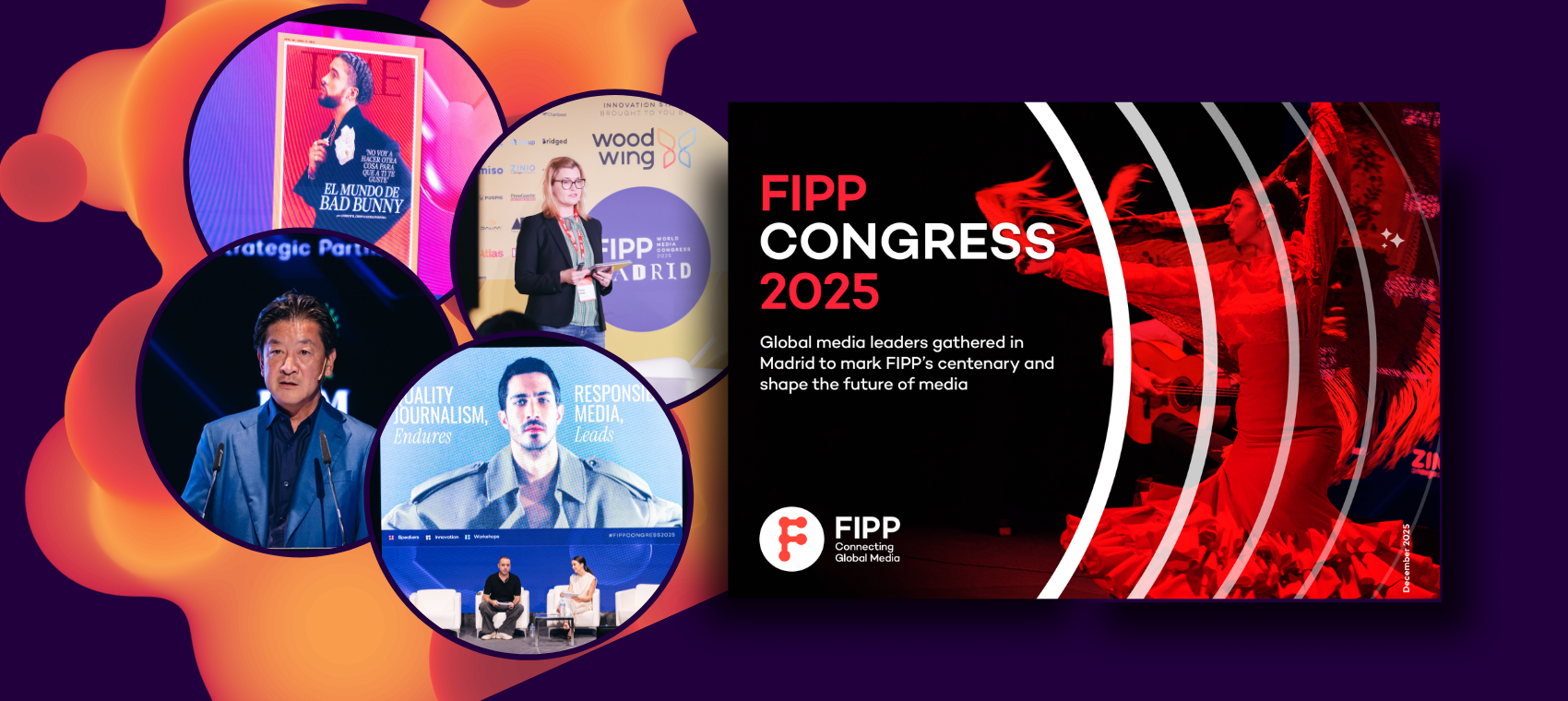
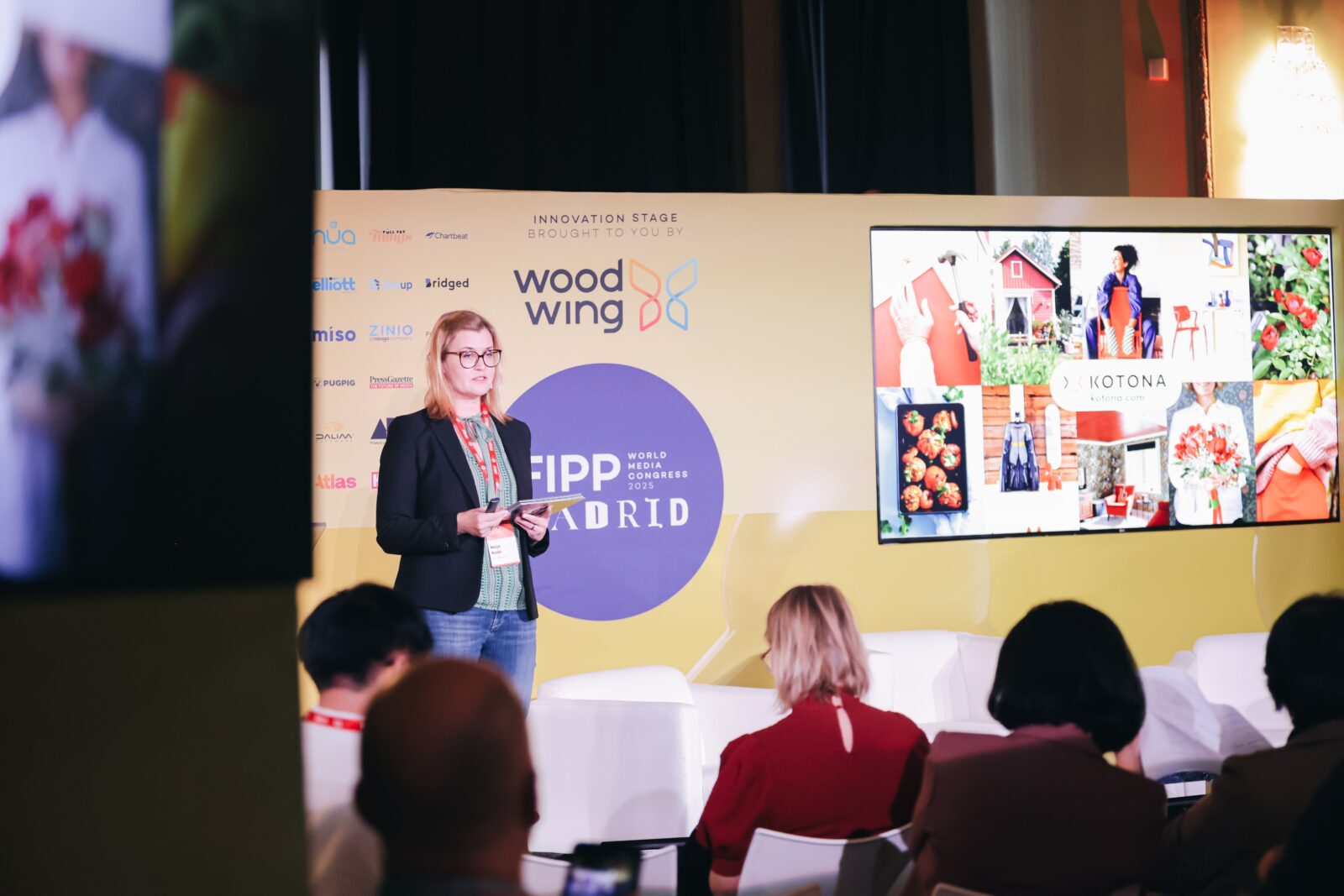
In October, FIPP returned to Madrid for a landmark moment – its 100th anniversary and one of its most future-focused Congresses yet. Over two days, over 500 media leaders from more than 40 countries gathered to grapple with the forces reshaping the industry at unprecedented speed.
What emerged was a rare blend of realism and optimism: honest conversations about disruption paired with tangible ideas for building resilient, innovative media organisations – as well as a shared sense that the industry is entering a pivotal new chapter.
This year’s FIPP World Media Congress Report, authored by Charlotte Ricca, captures those ideas in depth – across AI, product strategy, trust, ecosystems, creators, human performance and the enduring value of print.
Here, we take a look at five defining shifts distilled from dozens of insightful sessions – themes that shaped the conversations in Madrid and of a glimpse of where global media is heading next.
1. AI is no longer an experiment – it’s the new infrastructure
AI was impossible to ignore in Madrid. The report highlights how the discussion has moved far beyond prompts and productivity tools, and shows that AI is rapidly becoming the foundational infrastructure of modern media businesses.
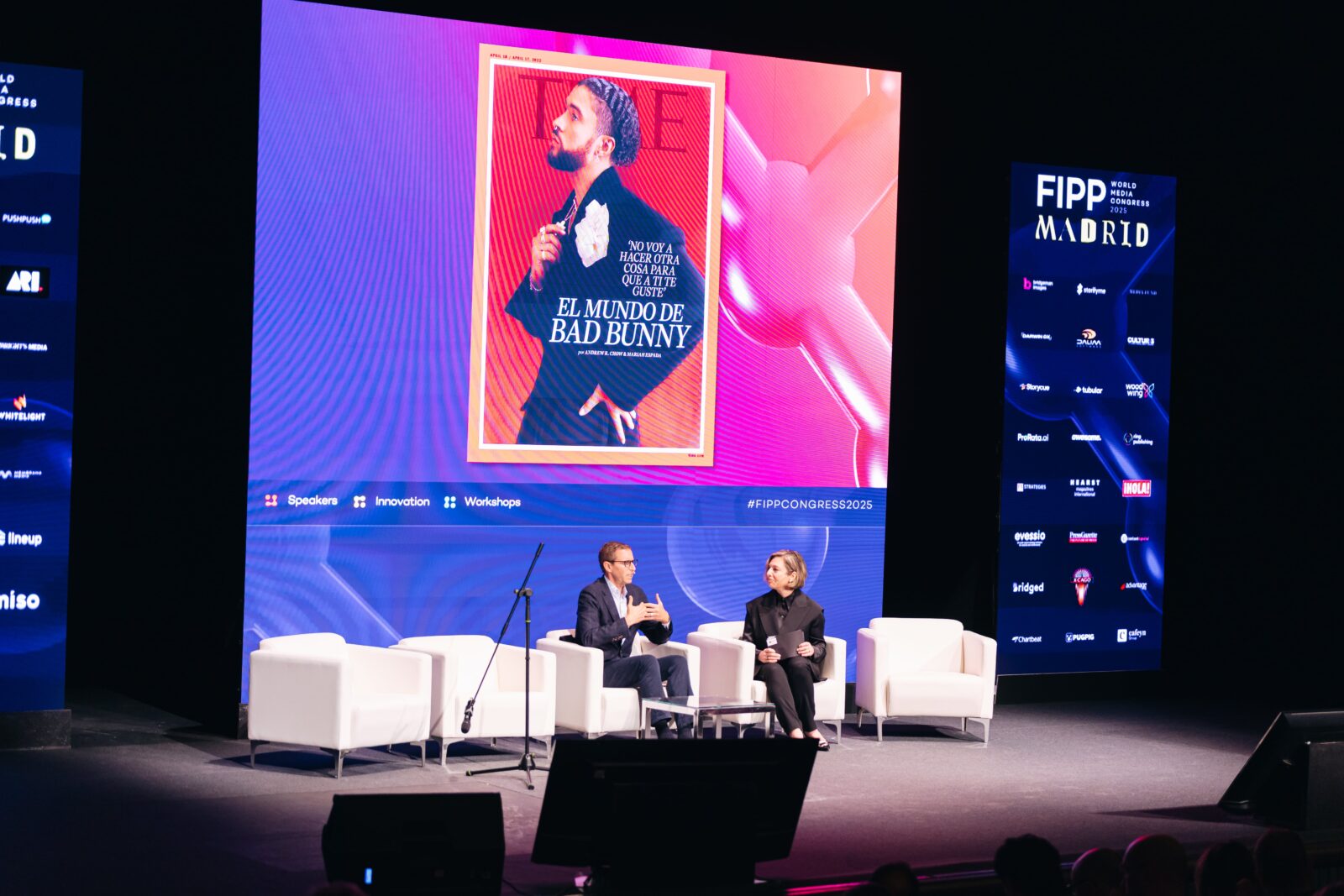
Time’s Mark Howard set the tone: “Don’t let AI happen to you – let AI happen for you,” and the report charts how organisations are acting on that mandate.
Bauer Media is building AI-first workflows; Hearst is reducing platform dependence; Time is forming licensing partnerships to protect IP; and A-lehdet is using machine-assisted translation to scale internationally. Innovation analyst Juan Señor summarises the shift in the report: “AI isn’t a department – it’s becoming the operating system of how we work.”
2. Trust has moved from sentiment to strategy
AI may have been the Congress headline, but trust was the through-line. In an era when information overload is accelerating and provenance is harder to track, the report shows trust becoming a value, a differentiator and a business strategy all at once.
Time’s decision to remove its paywall – during a year of major global elections – is presented in the report as a trust-first move, not a traffic play.
The Atlantic, Vogue Spain, GQ Spain and RocaNews all appear as organisations using transparency, editorial judgement and mission to stand out.
FIPP Chair Yulia Boyle’s opening words – calling for media that is “highly curated, deeply specialist, deeply expert, extremely credible” – captured the moment best.
Trust, the report concludes, isn’t the ‘reward’… but the strategy.
3. The product mindset has taken hold
One of the strongest themes running through both Congress and the report is the industry-wide shift to a product mindset; a working philosophy oriented around user-led design, iterative development and cross-functional teams aligned around shared KPIs.
Immediate Media’s Laura Cushing summed up this mindset in the report: “We solve user needs, not organisational needs.”
The report details how this approach is transforming structures and workflows. Bauer is orienting teams around user journeys; Hearst is evolving subscriptions into richer membership experiences; and The New York Times is strengthening habit through an interconnected suite of products. Semafor, The Economist and Kodansha are highlighted as organisations using product discipline to unlock new value streams and deepen engagement.
In short, experimentation is no longer optional – it is a capability organisations must develop to stay competitive.
4. Media brands are becoming ecosystems, not channels
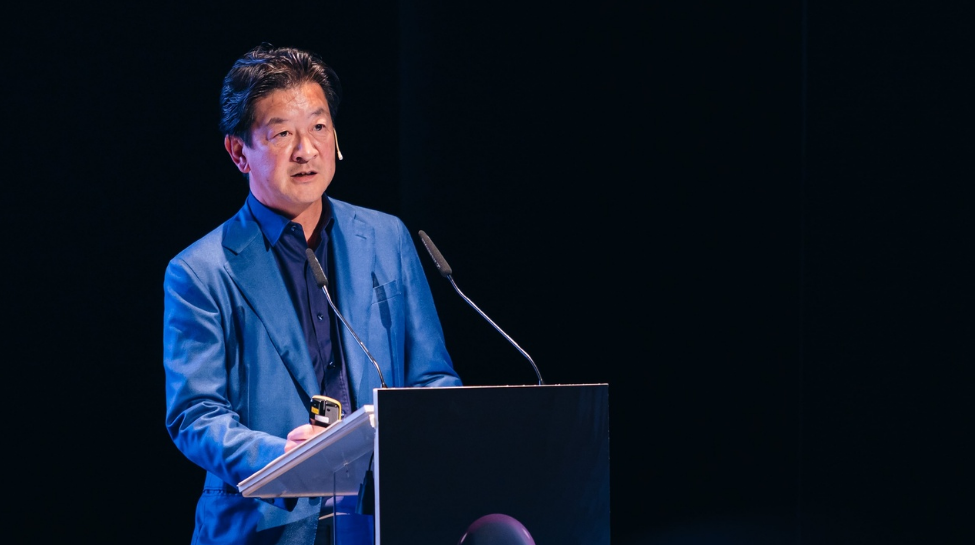
Another clear takeaway from the report: the most future-facing media organisations are thinking beyond single products to interconnected ecosystems.
Time’s 3.0 transformation, The Economist’s “3 Ds” and Globo’s integrated broadcast–streaming–digital universe all show what this looks like in practice.
Charlotte Ricca highlights that events play a central role in these ecosystems – described by speakers as “AI-resistant” spaces where storytelling, community and revenue intersect. Hearst España calls their approach “story-living”, and Storytime, Vikatan and others treat events as engines for loyalty, insights and revenue.
The conclusion? Ecosystem thinking deepens brand value by allowing audiences to ‘move with’ you, rather than just ‘consuming from’ you.
5. Creativity, community and culture remain the human advantage
Despite – or perhaps because of – technology dominating the headlines, the report repeatedly emphasises the value of human creativity and community as the differentiators that AI can’t replicate.
It highlights how publishers are responding, via talent-led journalism, creator-style storytelling, participatory communities and formats shaped by genuine cultural understanding. Kodansha’s Manga ecosystem and Chinese National Geography’s contributor networks illustrate what the report calls “co-creation at scale.”
Purpose, sustainability and human performance also emerge as stabilising forces, guiding innovation, identity and long-term resilience.
The report emphasises the crucial point from Congress: Humanity is the competitive edge.
A centenary rooted in the future
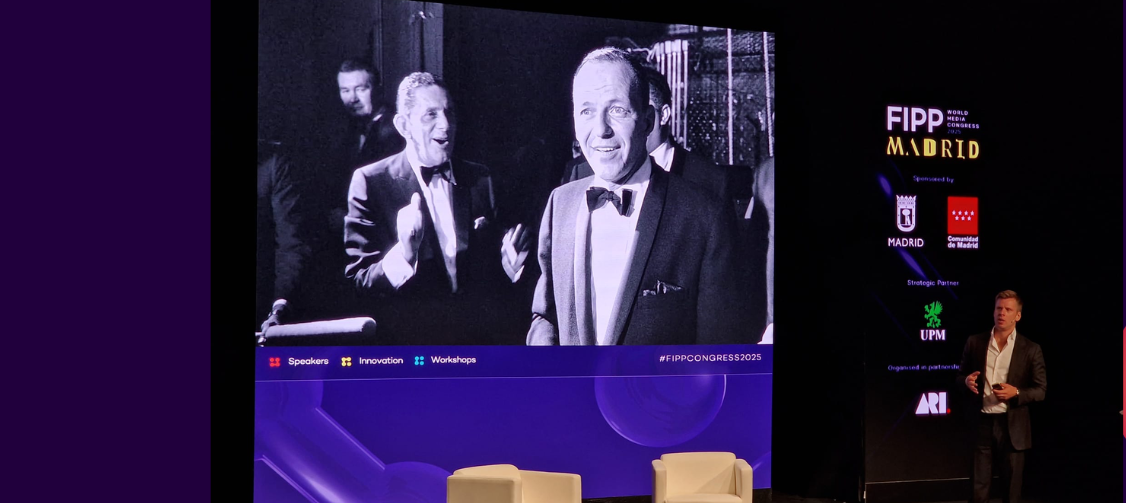
Madrid – the city where FIPP began a century ago – proved the perfect backdrop for a Congress that looked firmly ahead. The report shows how conversations in 2025 were centred around: boldness, collaboration and a renewed commitment to quality, trust and human creativity.
Yulia Boyle closed Congress with a call to action that runs through the entire report: choose one improvement, prototype something small, share one page of your playbook – and move the industry forward together.
→ Download the full FIPP World Media Congress 2025 Report
A BIG THANK YOU TO OUR FIPP WORLD MEDIA CONGRESS SPONSORS


FIPP CENTENARY PARTNERS
 |
| UPM Communication Papers FIPP Strategic Partner 2025 |





SILVER PARTNERS



















EVENT ORGANISED IN PARTNERSHIP WITH

MEDIA PARTNER