
Levelling the playing field: Four DEI experts look at what needs to be done to make the media industry more representative
In August last year Reflect, the UKs only Community Interest Company (CIC), not-for- profit diversity and inclusion talent management agency, released a report calling for immediate changes to improve the levels of diversity in UK media, which remains overwhelmingly white, predominantly male, and disproportionately privileged.
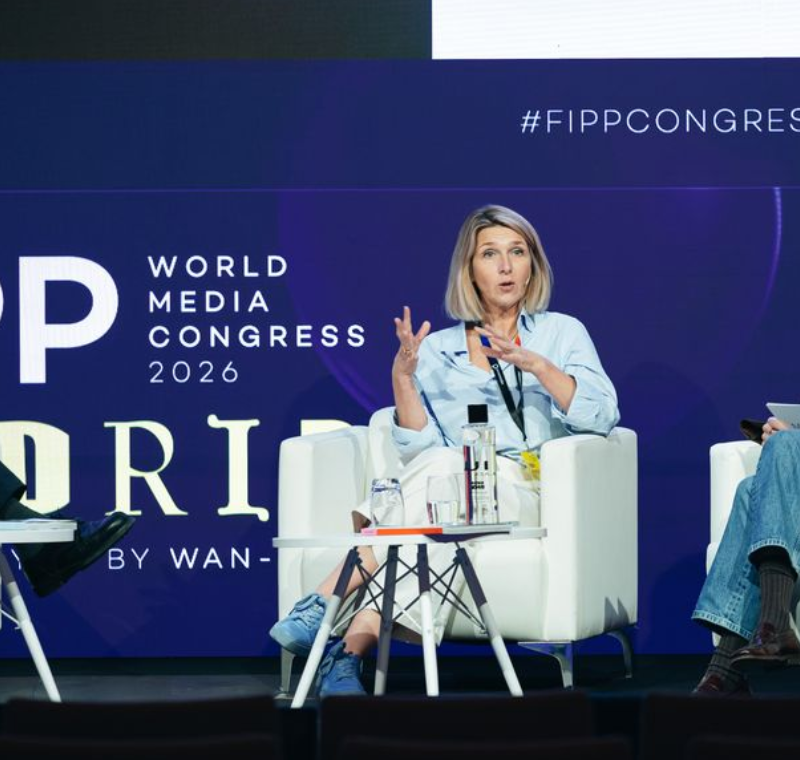
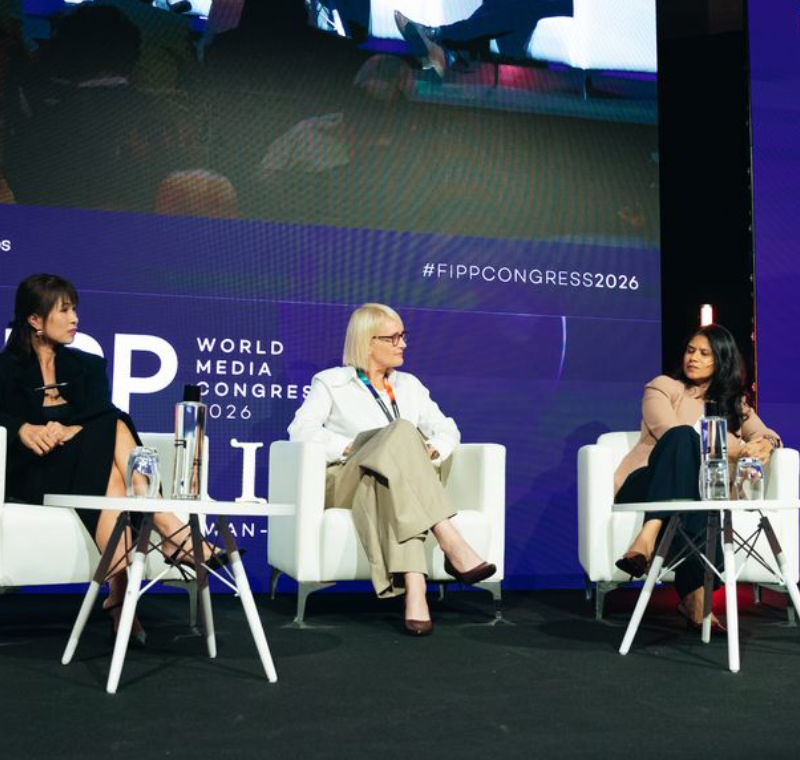
As the British media industry continues to grapple with making the workplace more representative, four DEI experts sat down with Channel 4 sports presenter Jordan Jarrett-Bryan at the recent Publishing Show in London to explore whether improvements have been made and what still needs to be done to ensure greater equality.
What is diversity and inclusion?
Amer Safir, editor of The Review of Religions: “When it comes to diversity it’s really important to go beyond theory and learning something on paper. I can’t represent the Jewish voice or black voice or some other voice. But there are ways for me to remove some ignorance and bring it back to my organisation and help me to run it better. For instance, a few years ago I went on a 22-state tour of America and my African American colleague said: ‘Look we are going to organise certain places we want you to go. You can’t represent our view, so we want to show you that the stereotypes being perpetuated, how on the ground they are not true’. So, they took me to southside Chicago, Detroit, Milwaukee and all these places and I met all sorts of people and activists. So, while I can’t recreate those experiences I’m able say, when people perpetuate stereotypes, that I know it’s not true because I spent time in these places.”
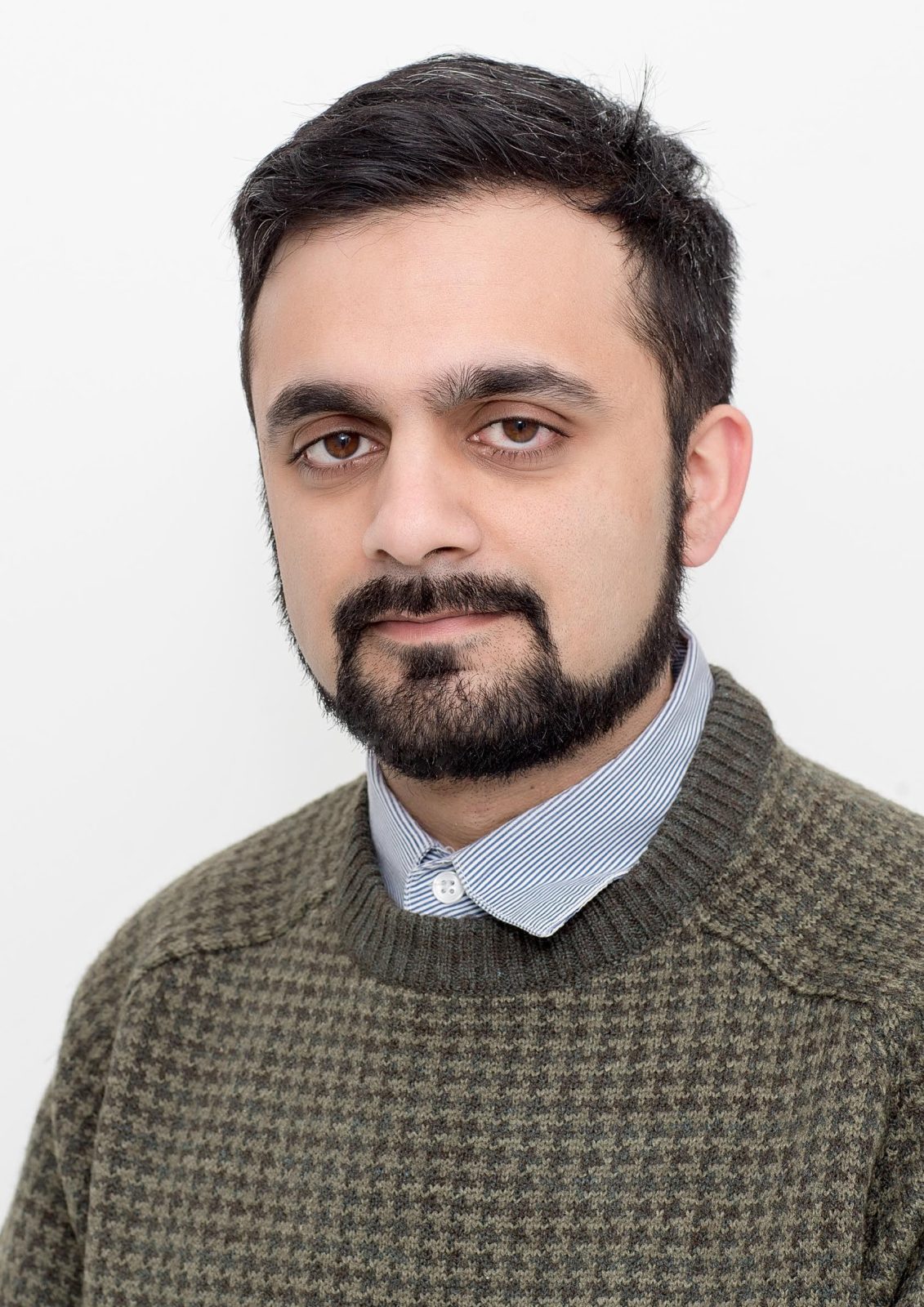
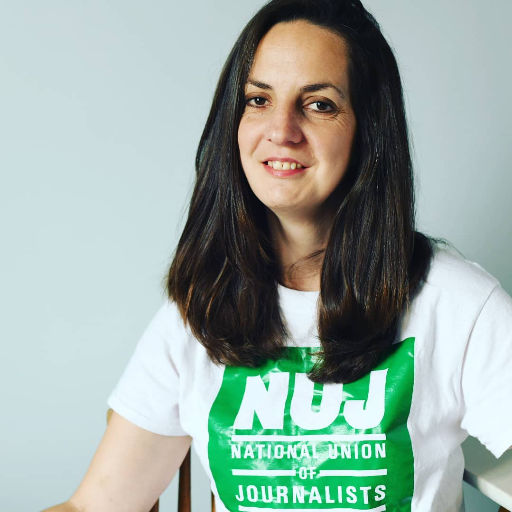
Natasha Hirst, photographer and journalist specialising in disability equality and social justice and Vice President, National Union of Journalists (NUJ): “Diversity is about celebrating difference. It’s about recognising that people with different lived experiences and backgrounds bring value to everything, whether that’s the workforce or whatever you’re producing. Diversity is not just important on a tokenistic level, but it has to be genuine inclusion that people from all backgrounds can come into a workplace or space and feel that they are represented and valued. For those of us who are from minoritized groups, we know the difference between a tokenistic attempt that’s showing diversity or whether there is genuine inclusion. And if it’s not genuine, people won’t stick around.”
Joanna Abeyie, founder of Blue Moon, inclusive executive search business
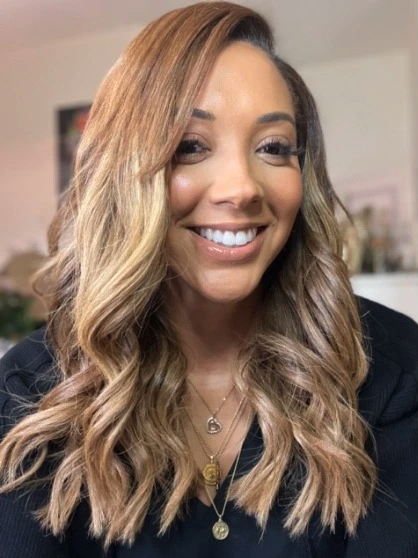
and DEI consultancy practice: “What is central to diversity and inclusion is equity. It’s about ensuring that everyone has what they need to be successful. It’s not taking from one person and then giving to another, it’s about figuring out what is making it more difficult for particular groups and removing those barriers so everyone can compete for roles and opportunities. Typically, where it gets misunderstood is when efforts to level the playing field is seen as preferential treatment or somebody being given an advantage, but it’s not – it’s trying to level the fact that they started a few steps back based on systems and processes that are in place. You can’t really talk about equality if you don’t know what makes it fair for different individuals.”
What progress have you seen in terms of diversity and inclusion in the media over the last five years?
Natasha Hirst: “Across the industry we know it’s important and we think about diversity and inclusion, but there is still a lot more to do to achieve that in practice by working with people who are affected by that in a genuine way.”
Joanna Abeyie: “When I first started this journey, I was 18 and I’m turning 36 this year. They used words like ‘under-represented’ and diversity wasn’t even a term back then. Back when I was pushing for diversity and inclusion there wasn’t the focus we see over the last five years and think that was supercharged, unfortunately, by the death of George Floyd and others in the US. I know that was focused on the inequity that black individuals face, but it made organisations think about inequity as a subject for all people, so it just super-charged energies. There are now way more global head of diversity and inclusion roles, so they are putting individuals in to specifically own that. Organisations are spending money on consultants with that expert knowledge and putting customers much more front and centre. I’m not saying they are there yet, but the efforts have certainly been accelerated over the last five years.”
Shelley Bishton, Head of Creative Diversity, News UK: “In terms of publishing, we’ve seen some huge changes in the last couple years. If you have a DNI person, a Head of Creative Diversity, as a company you’ve identified that there is some inequity and inequality. My role at News UK only came about just over two years ago, and before that there wasn’t anybody doing DNI at News UK. That’s quite significant. The last couple of years they’ve had to quickly catch up: what is DNI, what does it mean to our industry, to publishing? Now, it’s like – we understand all the problems, we understand that diversity is a fantastic thing to do and it’s going to lead to growth, but now we actually have to start driving that change. We need to start identifying the real inequity in certain pockets of groups of people, identify the barriers and how we can overcome them. I do think we’re starting to do that. I think the BBC is way ahead – thinking how long the BBC has had a DNI team is astounding really considering that some publishing companies in this country still don’t have a DNI team.”
Does religion get overlooked when it comes to the diversity and inclusion discussion?
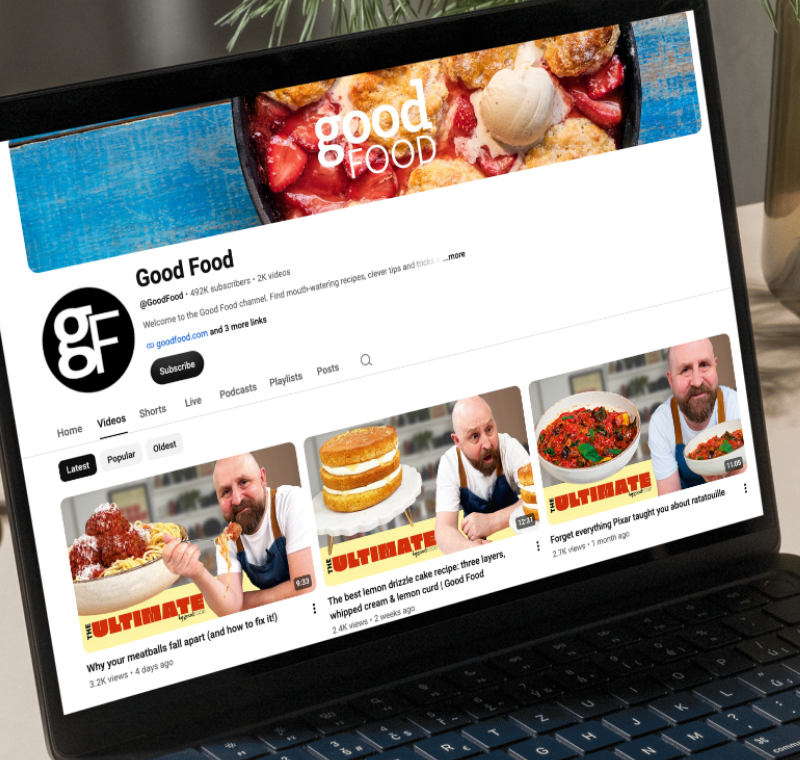
Amer Safir: “It depends on where you are talking. The Review of Religions prints in many countries. In Europe people have moved away from religion – in England recently for the first time over 50% said they no longer affiliate with Christianity. In France it’s very anti anything to do with religion or religious symbols. In Canada there are certain Quebec laws. So, religion generally has an uphill struggle, and it can be under-represented. Particularly when you look at something like Islam. The majority of the history of Islam which is accessible to the West has been written by white writers who often had a bias. So, this rewriting of what you have grown up with is something to understand. One thing we did on our YouTube channel was do this social experiment in America called ‘I’m a Muslin, ask me anything’. I found the guy with the biggest beard in my team and he travelled around when I went to 22 States with a board in hand allowing people from all over the country to ask any question they wanted. Seven million views later we were on CNN, Daily Mail and Fox News and it helped break down some stereotypes.”
Shelley Bishton: “We’ve created a Muslim network at News UK which is led by the most incredible young apprentice who’s come in and has been like – right I want to change the representation of Islam, which is amazing. Also, we realised there was so much mystery around Ramadan, and that no-one wants to talk about it. People are scared to ask: ‘So what actually happens?’ That is one of the biggest problems we face in our industry, no one wants to talk about anything. So, it was just about breaking that down simply by having some open frank conversations and getting people to ask anything they want, which we did a couple of years ago.
What needs to be done to get to the grass roots and make sure young people coming into the workforce are more diverse?
Natasha Hirst: “Some of our reps at the NUJ are really keen on this issue of reaching out to young people at schools, colleges and universities putting publishing and journalism on their radar and basically saying – whatever your interest and skills, if you can tell a good story whether that’s through words, images or numbers there is a career here for you. That’s what our reps want to do – do that direct engagement and bring along people who work in publishing and can say: ‘This was my journey, and this is why I love what I do’. A sticking point is that, while there are initiatives to get people in, starting salaries are so low and there are huge pay gaps. If people don’t have an independent income, they find it a real struggle to stay. So, get people in, but then look at how we get more diverse people into leadership roles.”
Shelley Bishton: “You need to go and find people where they are. If you think about the applications coming into companies, it’s people who know the system, they know who to email, they are emailing journalists directly. You have to break that whole system up. We do a lot of work in that regard, and we went to Job Centres all across the country. When people are then in your organisation you have to really look after them, because they need extra skills and extra support. They are maybe leaving their homes up in the north and they are probably from different kind of backgrounds and they may be challenges at home. There are so many layers you have to put into place once they are in the system – how do we protect and care for them?”
Joanna Abeyie: “I think sometimes the burden – and this comes from someone who came from a really low-income home – is on the person who has already got a few inequity barriers to make themselves visible. And I totally push for that because I’m a product of that. But I also think organisations need the talent, so it should be our priority to find strategies to get to know the people that are brilliant. Sometimes we think we have talent and diverse talent, and we have to shift the way we are thinking about it and go, actually, we want the best people. And if we start from a position where we recognise that the best people come form different backgrounds or have different experiences, then we are on the right track.”