The human advantage: How to perform (and stay sane) in a chaotic media world
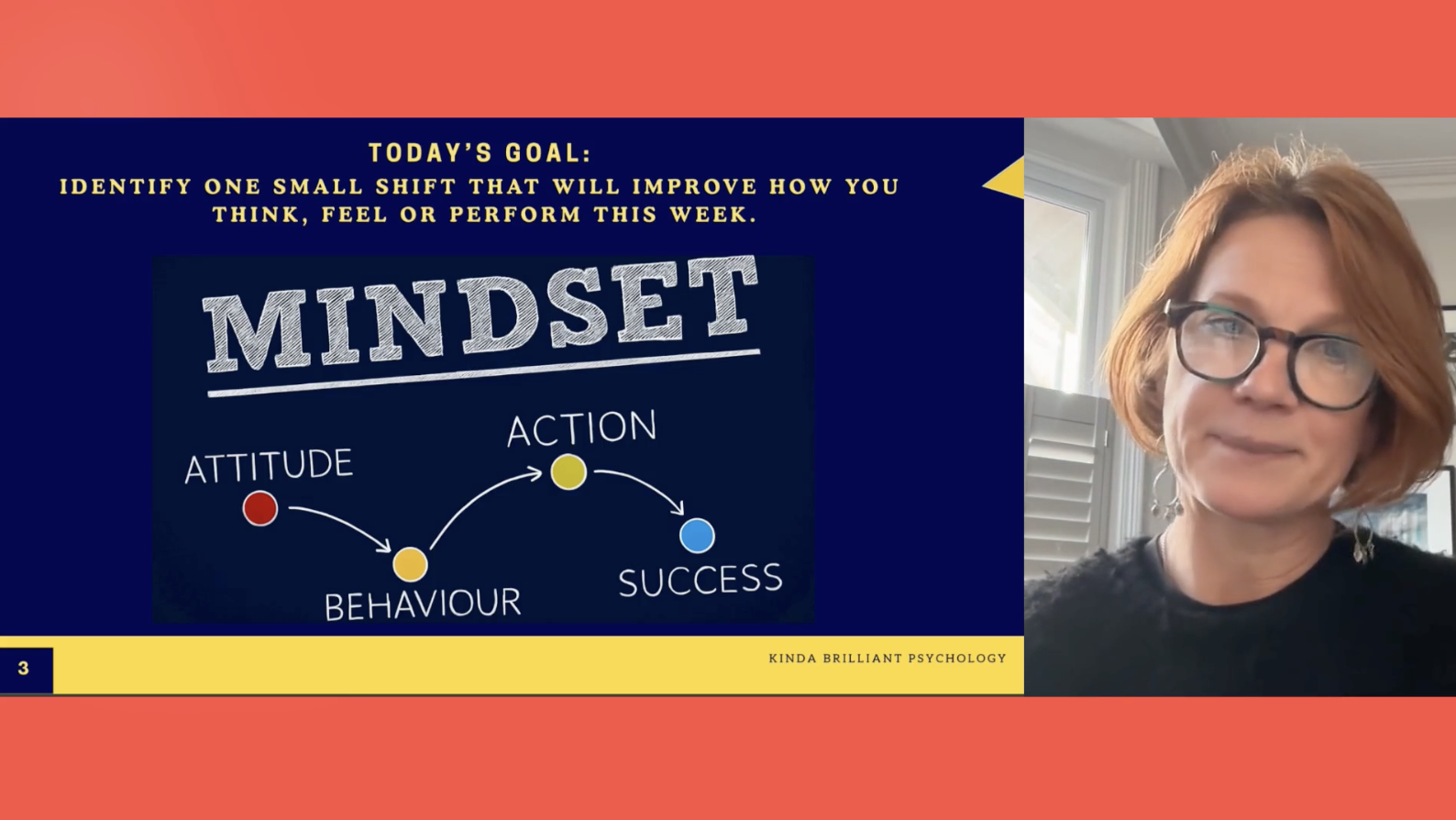
Performance psychologist Charlotte Ricca gave a live webinar on a key challenge for those in media: How do professionals perform at a high level without burning out?
After a year defined by rapid AI adoption, shrinking attention spans, shifting business models and constant industry reinvention, it’s clear that the pressures shaping media today are as human as they are technological.
High performers across the media ecosystem – journalists, strategists, commercial leads, creators, founders – are operating at a pace that is difficult to sustain. And yet the conversations we tend to have as an industry focus almost entirely on systems, strategy and structure.
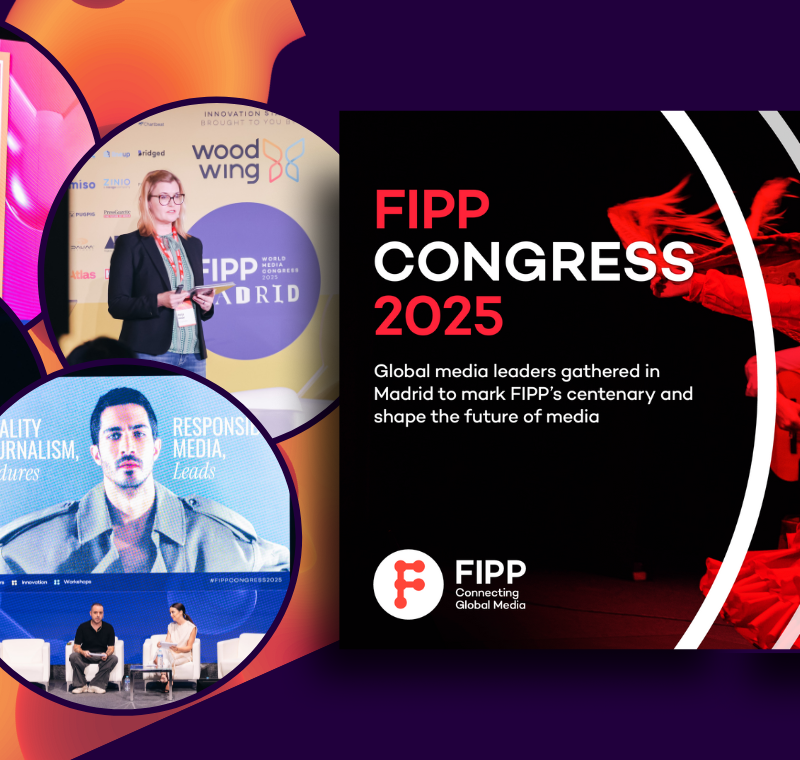
Last week, performance psychologist and former journalist Charlotte Ricca addressed this gap in a live FIPP webinar, building on her well-received Congress session in Madrid.
As she noted early in the session: “There’s so much talk about the organisation and about strategies, but not a lot of talk about the individuals driving those strategies.”
The full session is now available to watch on demand – here’s why it matters.
The missing element in media transformation
While organisations are investing heavily in new technology and operational models, individual performance is often overlooked. Charlotte emphasised that sustainable transformation depends not only on systems, but on people who are able to think clearly, adapt effectively and maintain motivation over time.
She explained how stress – now a constant for many in the industry – directly affects cognitive performance. Under pressure, the brain shifts into reactive mode, impairing decision-making just when clarity is most needed.
“When stress comes up, the prefrontal cortex shuts down… your decisions and thought processes are driven by fear.”
Charlotte outlined simple tools to help individuals interrupt this cycle and regain composure, particularly in moments of high demand.
Why managing stress is a performance skill
Rather than framing stress solely as a negative, Charlotte highlighted the importance of recognising “optimal stress” – the level at which focus, energy and performance can actually improve. “Some level of stress is good… athletes achieve their best performance in the most pressured environments.”
The challenge, she explained, is identifying when that stress begins to tip into overload, as once the amygdala “hijacks” the system, reactions become fast, emotional and less effective.
Her guidance centred on early awareness and practical, science-based techniques to steady the nervous system – are designed to help professionals stay within the “optimal” performance zone.
Rebuilding motivation in a changing industry
Charlotte drew on Self Determination Theory to explain why motivation fluctuates so sharply in media environments.
“According to this theory, there are three things that you need in order to feel motivated: autonomy, competence and connection,” she said.
When even one of these is missing – a common reality in hybrid work, reorganising teams or high-pressure news cycles – performance and wellbeing both decline.
She shared numerous ways that individuals and leaders can strengthen these drivers – from clearer boundaries and better communication, to more intentional moments of collaboration – emphasising the importance of connection, especially for remote workers:
“Even if it’s just half an hour a day, some kind of interaction is really, really important.”
A practical framework for navigating uncertainty
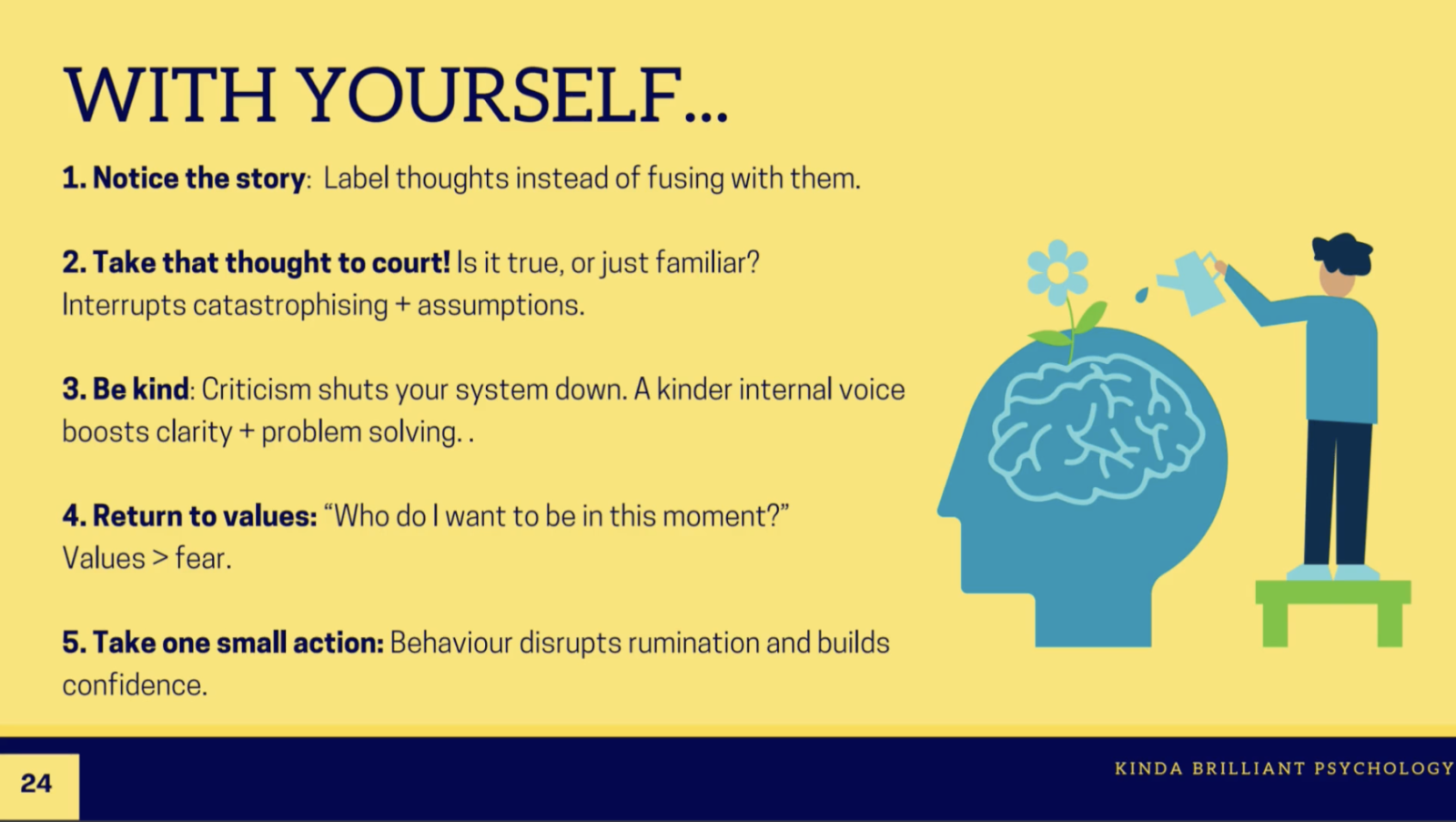
Charlotte presented her GRIT model as a way to anchor performance during periods of change. The framework encourages individuals to:
- Values as the “North Star”: “It’s why you’re even there.”
- Control vs. uncontrollables: “There’s a lot of energy wasted on things we can’t control.”
- Iteration: “Growth comes from adjusting with purpose… stability comes from flexibility.”
- Action: “Knowing and doing are two very different things.”
The message throughout: performance in modern media relies not only on technical skill, but on psychological awareness, adaptability and intentional action.
Watch the webinar
Charlotte’s session offers clear, actionable guidance for media professionals looking to improve focus, resilience and day-to-day performance amid ongoing industry change.
Watch the webinar on demand: The Human Advantage: Sustainable Performance in a Chaotic Media World