
“Does that brand belong in my world?” How luxury’s balance of power is shifting
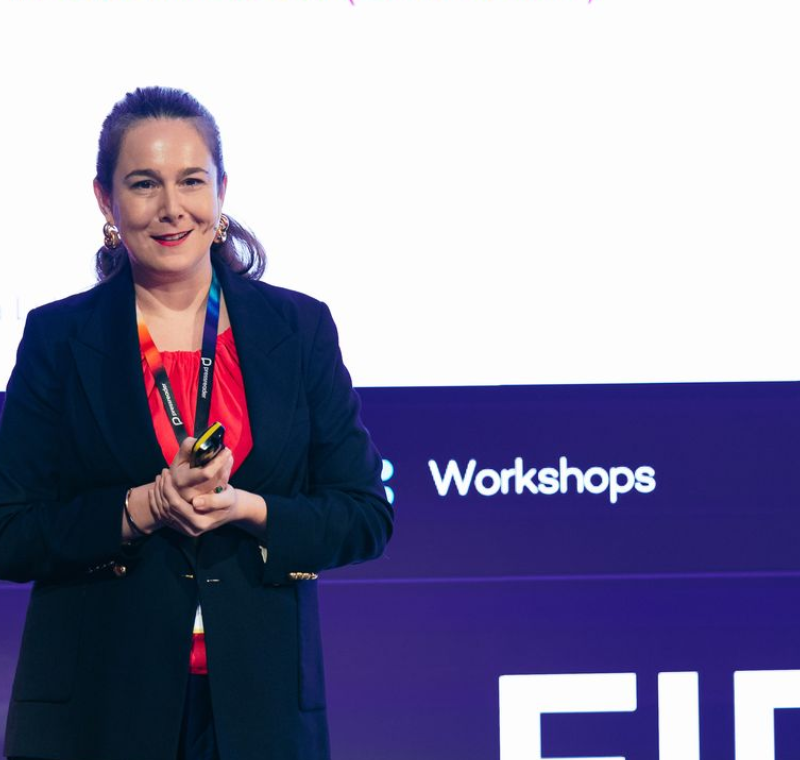
At the FIPP World Media Congress 2026, Marie Claire International’s Nicia Rodwell discussed changing ideas of status and why luxury brands increasingly need culture, community and human connection to stand out.
Luxury brands once held much of the power in their relationships with consumers. But that relationship is changing, Nicia Rodwell of Marie Claire International told delegates at FIPP World Media Congress in Madrid.
“In the past, the brands had the power – do you belong in our world?” she said. “But now that shift has turned, and consumers are saying, ‘does that brand belong in my world?’ The balance of power has changed.”
In a session looking at the forces reshaping luxury, Nicia explored changing lifestyles, digital burnout, the return of physical experiences and the growing pressure on brands to prove their relevance rather than rely on heritage, status or logo recognition.
From status… to self-investment
One of the shifts Nicia highlighted is the growth of solo living – and the effect that greater independence is having on how women spend. “Women are very much focused on themselves,” Nicia said. “They’re investing in themselves, but it also means that they are looking for that soothing and comforting concept.”
She also described the rise of what trend forecaster WGSN calls the “restorers”: consumers trying to reclaim balance in an overstimulated world. “There’s a real shift towards wellness, restoration, sleep, mindfulness, longevity, nature – all those things that you can connect with, which are non-digital, simple pleasures.”
And luxury itself is changing too; where status was once closely associated with recognisable brands, gifting and investment in a wardrobe, Nicia said consumers are increasingly prioritising experiences, travel, wellbeing and personal growth. “She doesn’t need to be gifted anymore,” she said of today’s luxury consumer. “She’s gifting herself.”
That is also creating more space for independent and vintage brands, as consumers become more interested in expressing individual style. “Brand heritage and logo just does not do it anymore,” Nicia said. Luxury customers are more informed and culturally fluent, she argued, and brands increasingly have to earn their loyalty.
The new status symbol
Another shift Nicia identified was a growing desire to step away from constant digital stimulation.
That is also fuelling a return to hyperlocal communities – book clubs, running groups, farmers’ markets and other ways of meeting people close to home – as remote working and loneliness increase demand for real-world connection.
At the same time, younger consumers are rediscovering analogue formats. “My daughter’s 13, and she wants vinyl for her birthday,” Nicia said. That appetite for something physical, tangible and slower has implications for magazines too, she argued, as consumers look for relief from scrolling, algorithms and an endless stream of digital content.
The trend is also showing up in experiences where being offline is becoming part of the appeal. Nicia highlighted the growth of phone-free events and venues where devices are handed over or disabled on arrival. “Exclusive access to digital privacy [is] becoming the new status symbol,” she said.
The move towards human connection is changing the kind of content audiences respond to. Nicia said expert voices, original thinking, personality and even eccentricity are becoming more valuable as audiences look for content that feels recognisably human.
“People want voices with real expertise who are unapologetically themselves,” she said, explaining that this can mean everything from street interviews and employee-led content to editors becoming recognisable personalities in their own right.
“Luxury brands need soul”
Culture – art, film, literature, music and particularly sport, Nicia said, is becoming one way for luxury brands to build that connection: “People want participation.”
She also highlighted the rapid rise of microdramas – short, highly produced episodic films that have become particularly prominent in Asia and are increasingly being adopted by luxury brands – as another example of how storytelling formats are changing.
AI is also increasing the pressure on brands to be distinctive. “AI is accelerating so much sameness,” she said. In response, she sees brands moving towards content that feels more spontaneous, idiosyncratic and human: less polished perfection, more personality. “Luxury brands need soul to stand out,” she said, describing collaborations with artists, creators and unexpected personalities as one way of adding depth. “They’re moving away from as much content as possible to depth of connection and radical honesty.”
For Marie Claire, many of those shifts reinforce what the brand already sees as its role: providing expert journalism, interpreting culture and creating experiences around subjects that matter to women. Nicia mentioned Marie Claire initiatives spanning art, dance, film, sport, wellness retreats, podcasts and live experiences across its international markets. Some editions are moving far beyond conventional magazine formats: Marie Claire Korea, for example, has produced a feature-length film alongside shorter-form content.
“It’s all about owned channels. You have to own your own channels as well, and that means owning your own talent internally.” She cited editorial teams, newsletters, podcasts and recognisable in-house voices as ways of giving audiences a reason to come directly to Marie Claire.
With Marie Claire approaching its 90th anniversary, Nicia said the challenge is fundamentally the same one the brand has always faced: understanding what matters in women’s lives and finding useful, credible ways to respond.
“We don’t just reach her,” she said. “We have to matter to her.”