AI-proof journalism: The Economist’s Luke Bradley-Jones on evolving a legacy brand
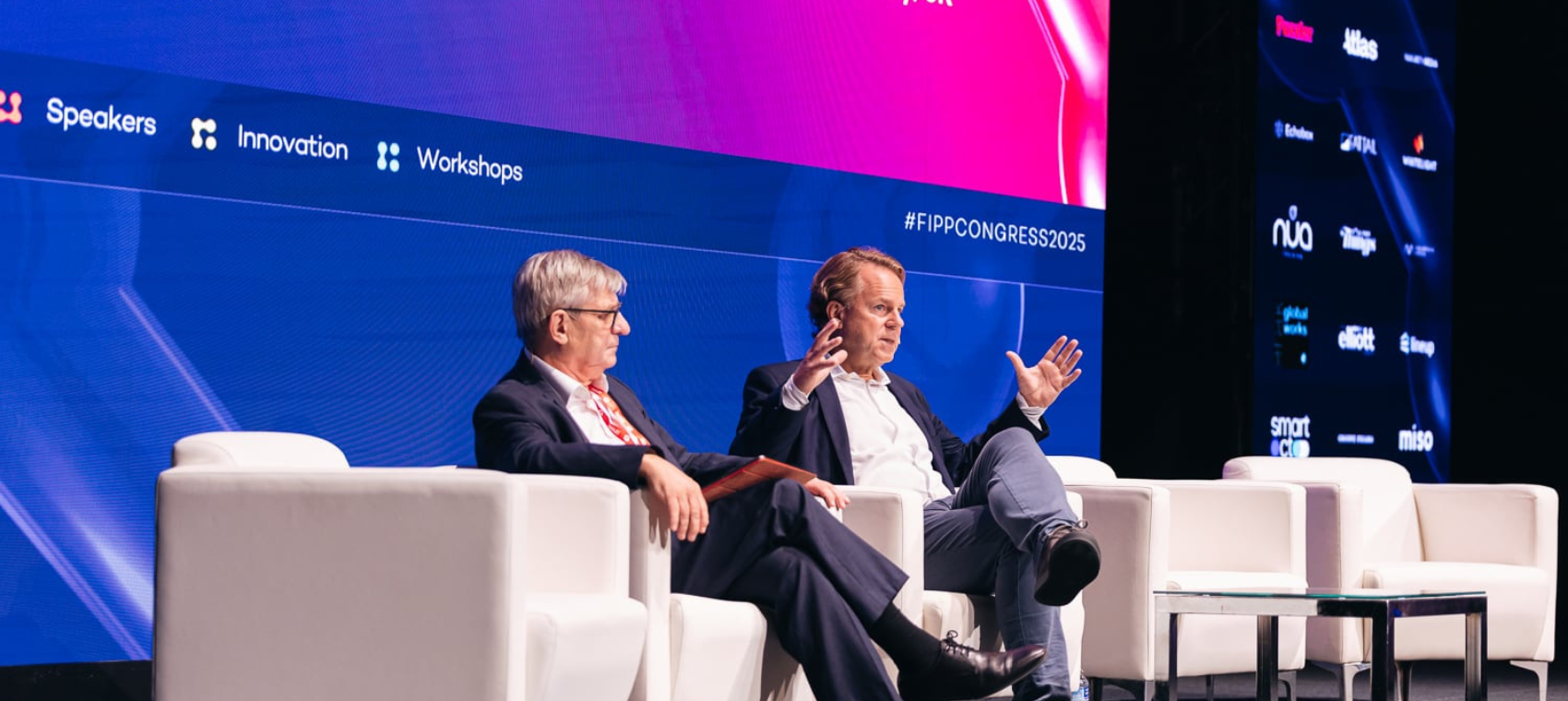
At the FIPP World Media Congress, the Economist President shared how the 181-year-old title has transformed from a single magazine into a diversified global media brand.
Luke Bradley-Jones opened with a clear definition of The Economist’s success:
“We do it through steady, profitable growth,” he said. “We’re trying to tread a fine line between not going gangbusters on the top line – because that’s our major profit – and not just trying to maximise profitability because that would undermine growth prospects. We want to sustain and safely promote our unique editorial voice for the next 180 years, just as we have for the last.”
That voice remains at the centre of the brand – yet The Economist has become much more than a magazine. The group now brings in around half a billion dollars a year, with roughly two-thirds of revenue from its core B2C business and the remainder from B2B operations including Economist Impact, Economist Education and the Economist Intelligence Unit.
“Generally speaking when it’s doing well, our ancillary B2B businesses really benefit from a really strong, vibrant, thriving core consumer, so we continue to invest in that,” he told interviewer Colin Morrison from Flashes and Flames. “Rising tides lift all boats.”
Print, digital – and the appeal of paper
Today around two-thirds of The Economist’s 1.25 million subscribers are digital-only, while a third take both print and digital. “For that third … the print edition is their main way of consuming our journalism,” he said.
And print, he argued, still has a future:
“I wouldn’t bet against it. We’re ultimately agnostic – if customers say they don’t want it anymore, then we wouldn’t make it. But you have that enduring appeal of the physical product … and as we head into a more AI-dominated news landscape, that physical reading experience is a differentiated, more human experience.”
Audio, video and the human touch
Audio and video now play a central role in The Economist’s offer.
“The written output is still the core of our offering,” Luke said. “But we launched podcasts four years ago, [and] we now have five original podcasts with multiple mini-series, and a significant share of our base listen on a regular basis.”
The company has also broken new ground by charging for its podcasts – a move, Colin Morrison pointed out, that few publishers have attempted. Luke’s advice for publishers wanting to charge for their podcasts? “If you can build a really substantial scale listenership, then you can monetise that through a subscription model,” he said.
Video, too, is growing fast. “We’ve seen a real spike in consumption… just in the last six months,” he said. “Profitable video is definitely possible for us in terms of the engagement it drives and the retention that audio gives.”
New audiences, new habits
As reading habits fragment, The Economist is serving three main groups:
“The first is the traditionalists, who continue to consume the magazine as their primary source,” he said. “The second have really started to shift their consumption habits, listening to a podcast once a week or to our articles on audio narrative. And then we have a demographic who joined as digital customers, and who are much more into video and audio.”
Serving all three in the future, says Luke, will require a “twin-track strategy”: “We have to keep serving our loyal, super-engaged readers … but as we look to bring new, younger users in, we have to cater to those preferences – and that’s much more audio- and video-led.”
Competing in a post-search world
Looking ahead, Luke pointed to shifting discovery habits and the impact of AI on traffic and visibility. “The biggest challenge facing us, and the whole publishing industry, is the profound change in consumer habits – the advent of AI search engines and the rapid drop in Google referral traffic,” he said.
The Economist’s answer lies in what he calls the “three Ds”: differentiation, direct relationships, and discoverability.
He explained that differentiation means “leaning into that artisanal, premium nature of our journalism”, whereas ‘direct relationships’ involve deepening engagement through The Economist’s app and personalisation tools. ‘Discoverability’, he says, means they have invested much more in brand marketing: “Visibility will be critical in our post-search world.”
Its latest innovation, Economist Insider, offers subscribers a premium window into its journalism – and is a personal highlight for Luke after a year in the role.
“It’s a big step in a new direction, editorially. We launched just 10 days ago … and nearly 20 percent of our subscriber base are already watching,” he said.
But Insider also represents a statement of intent and clear focus. “Right now, we’re focused on adding extra value,” he says. “We’ll continue to make it harder to substitute with AI, and make sure we lean into the human-created, artisanal nature of our journalism.”