
Exploring the importance of trust in the media on World News Day
In June this year, the Reuters Institute released a poll that highlighted a worrying a trend. According to the study, public trust in the news has plummeted to just 37%, three points down since last year. In the UK, trust has fallen by five points to 30% – 20 points lower than 10 years ago.
This erosion of trust (and the importance of retaining and maintaining it) is a driving force behind World News Day – the global news media industry campaign to draw public attention to the role journalists play in providing trustworthy news and information that serves both citizens and democracy.
This year’s theme – Know the facts. Understand what matters. Choose Trusted Journalism – invites publishers to illustrate the importance of trusted content in an era of fake news, AI proliferation and mass social media consumption.
More than 1,000 news providers around the world have signed up to support the initiative today (28 September), with media organisations, including the New York Times and Reuters, sharing editorials, ads and cartoons to highlight the value of trusted journalism.
To mark World News Day, we spoke to four FIPP members to explore why trusted journalism matters in 2026 and what they are doing to maintain their audiences’ trust.

This feature is part of World News Day, a global news media industry campaign to draw public attention to the role that journalists play in providing trustworthy news and information that serves both citizens and democracy. Learn more at worldnewsday.com.
A recipe you can trust
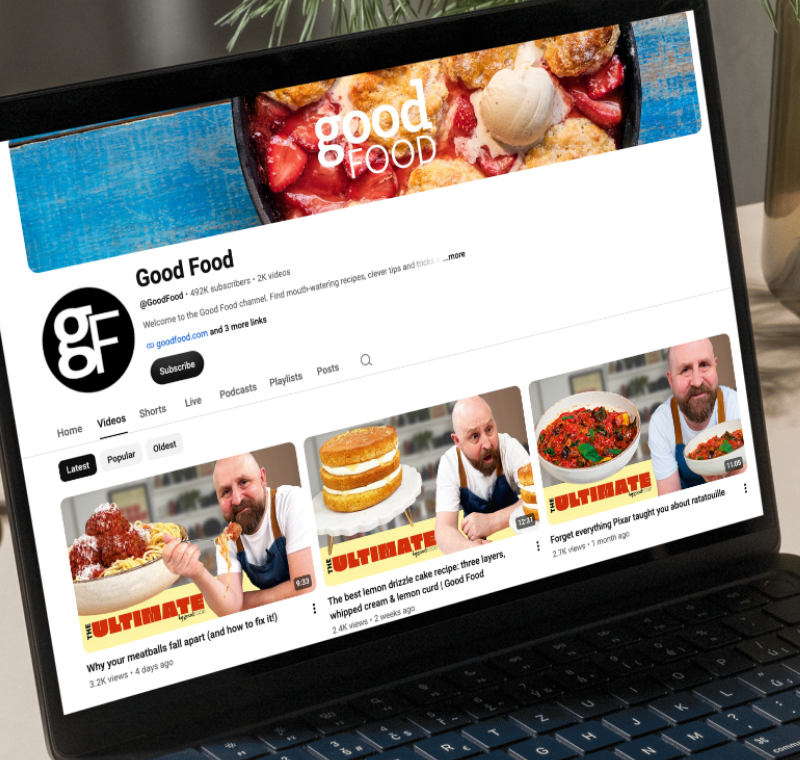
The iconic magazines published by Immediate Media – including Radio Times, Good Food and Gardeners’ World – have earned the trust of almost 21 million people every month. It’s a bond that acts as a guiding light to readers.
“We’re in a world of infinite content – more and more of it is generated by AI with no or little human oversight, and audiences are having to work harder to judge what is accurate, who made it and whether it deserves their time. Trust is how people decide,” says Sean Cornwell, CEO of Immediate.
“People come back to brands they believe in, and over time that becomes a habit. That relationship has to be earned, and it takes years to build. Human talent and expertise is the crucial ingredient, because it’s something AI can’t replicate.
“More and more, digital audiences are gravitating to trusted guides, recognisable faces from brands they know and love. And this is where our brands have an advantage, with expert content creators producing quality editorial to drive engagement and trust.”
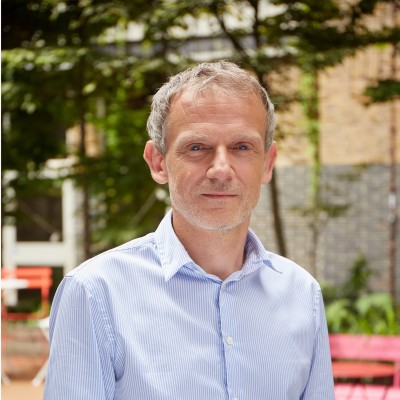
Immediate’s legacy of trust if built on know-how – from food and entertainment to medical advice.
“As a subscriptions-first businesses, we rely on trust,” adds Cornwell. “Our audiences choose to pay for our brands and keep coming back to them, and they only do that if we keep earning it. That starts with expertise.
“Good Food recipes are tested three times in our kitchen before they reach our audience. Radio Times has been guiding viewers for more than 100 years, and it’s a trusted guide at a time when people are overwhelmed by the sheer volume of entertainment.
According to Cornwell, Immediate is focusing on developing its brand’s personality engagement through the people that create it – authentic, expert voices who audiences know and trust.
“One of our newer social first brands, Good Health by Good Food, was set up to tackle health misinformation on social media,” he says. “It provides health advice that actually works, created by doctors, nutritionists, dieticians and food specialists – content our audiences can based in scientific evidence our audiences can trust.
“And we keep listening. Our direct relationships with our audiences give us a constant feedback loop, so we know what they value, what they rely on us for and where we could do better. Then we act on what they tell us.”
Long-term loyalty
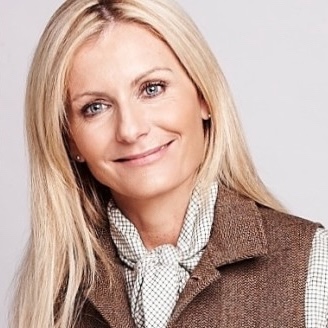
First launched in the late 1980s, South African-based wellness magazine Longevity is well aware that it operates in a space where giving the wrong advice can have huge consequences.
“In health and wellness, the stakes are more significant than in other lifestyle media categories,” says Gisèle Wertheim Aymes, the owner and publishing editor of Longevity.
“Readers may act on what they read: change a diet, try a supplement, delay seeing a doctor, spend money on a clinic abroad.
“This may impact their lives and longevity literally. For better or worse! The longevity space in particular is crowded with commercial interests, early-stage science presented as settled, and charismatic figures selling protocols.
“A publication that consistently separates strong evidence from promising evidence from speculation becomes genuinely useful. It also becomes rare, which is a competitive advantage.”
Those who read Longevity can be assured that information has been sourced straight from experts without any AI meddling.
“Despite the incredible value technology brings to our lives, we maintain the ethics of traditional media,” says Wertheim Aymes. “Our writers cannot use AI or social media to replace the disciplines and rigor of our own research or obtaining information directly from experts who have been trained over many years. Our brains cannot be become lazy or duped.
“It means saying no more often than yes, to content or claims that cannot stand up to the rigour of science. It also means that we carefully curate who we allow to share their views and experience, or lack thereof, with our readers.
“It means constantly reminding ourselves to question everything and not to get taken in by the deluge of communication we all live with daily. We cannot accept everything we read, or even what we hear when interviewing a medical professional. We have to always question. And we cannot be a slave to the algorithm.”
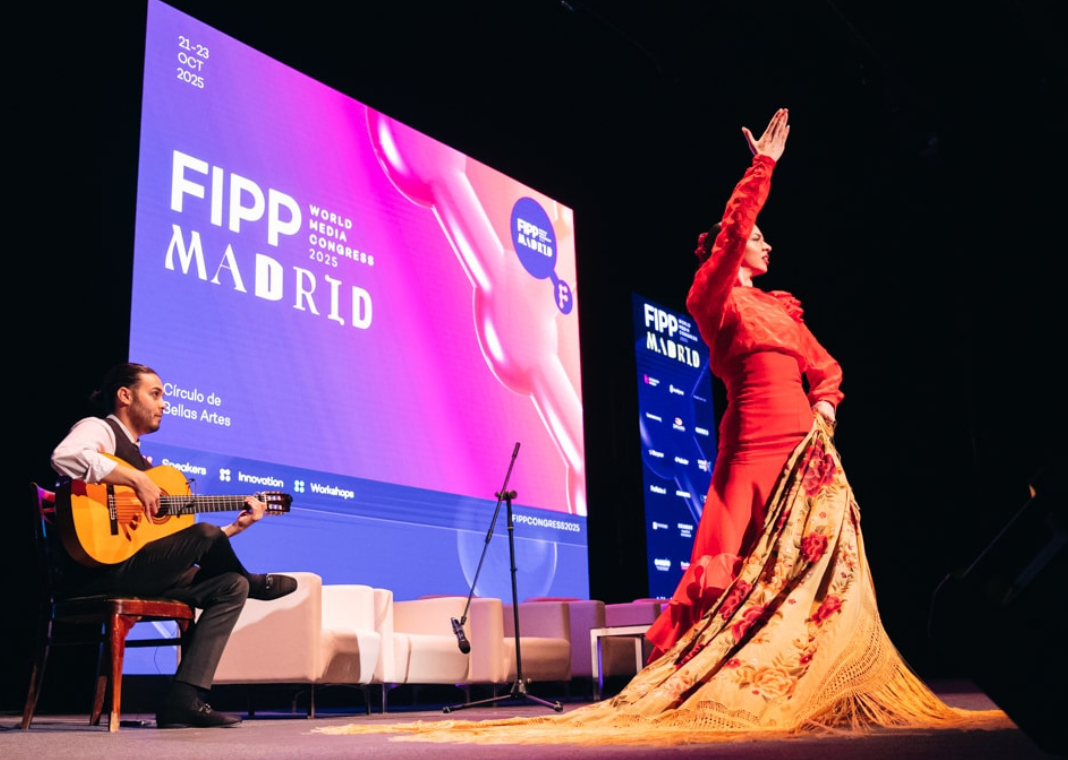
48th FIPP WORLD MEDIA CONGRESS
13-15 October 2026, Madrid, Spain
Last few tickets remaining!
Join the global media community in Madrid before the final places disappear.
Want to stay where the action is?
Contact us to find out about accommodation at the Congress venue, Hotel RIU Plaza España.
Spreading the trust
Having completed its acquisition of Readly’s non-Nordic operations in April, French digital media streaming platform Cafeyn Group now serve 2.5 million readers across 15 countries. By carefully picking the publishers they work with, the company is helping to spread quality content across the globe.
“We provide publishers access to a new and large audience that means trusted journalism is reaching new, global audiences where subscribers can access a broad range of titles and perspectives to help them form democratic opinions and viewpoints,” says CEO Laurent Kayser.
“We guarantee that Readly is a safe place to read through collaborating with only trusted publishers whose titles sit alongside other trusted publishers to bring subscribers verified content and ground breaking reporting based on skilled journalism. We champion trusted content, ensuring that our app is a safe place to consume verified journalism.
“And furthermore, we are continually innovating the digital experience which involves understanding what makes people engage and offer subscribers different ways and formats of navigating and consuming journalism so it can be more relevant to their lives.”
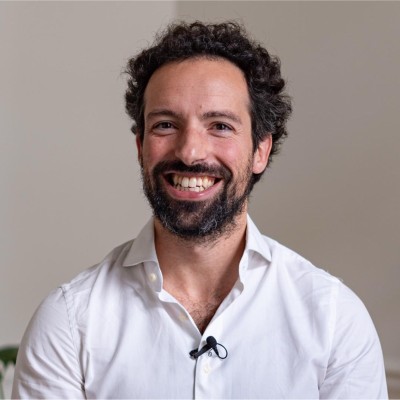
For Kayser, giving readers access to quality, well-researched articles goes beyond just spreading media brands across the world.
“The very foundation of our democracy is based on the ability of citizens to form their own opinions by accessing diverse and trusted information from the media,” he says. “In 2026, this trust is being challenged as all types of content are being put on a level playing field, from AI generated and social media right through to frontline journalistic reporting of serious world changing events.
“As a consequence we are starting to see democracy challenged and undermined as many people no longer know who to trust so they are unable to form a democratic opinion based on real and actual events.
“It is essential therefore, that the media represents trust and provides reporting in a manner that citizens can rely on for real accounts of events and balanced viewpoints.”
Reaching the next generation
Launched in 2014 by Lulu Skantze and Leslie Coathup as a magazine prioritising compelling storytelling for children aged 3 to 9, Storytime Magazine is now read in more than 60 countries. It’s a brand that takes the push for better quality content to readers that are particularly susceptible to misinformation.
“Children don’t get to choose most of what they read. A feed chooses for them, bombarding them with more and more content without any care for quality,” says Skantze, who is also Chair of FIPP’s new Initiative for Kids Trusted Media that aims to make trustworthy media a meaningful part of every child’s life.
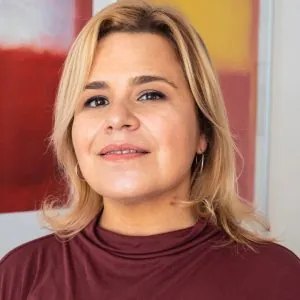
“When so much is served by algorithms and generated by AI, children need sources they can trust, more than ever. How would they know though? Manipulation is real, and this is their first contact with media: they don’t yet have the filters to tell what’s made for them from what’s made to exploit them. Trust is the foundation of literacy itself.”
Skantze stresses that Storytime has never treated its readers as an audience to be captured.
“It’s an ongoing dialogue, not a monologue trying to sell them more once they’re in our world,” she says. “We listen, observe and build the magazine around what they ask for, so we’ve grown up together.
“After the cost of careless content on social media, they can let their guard down and enjoy a product in which every single element is made for them, with real intention. They know real people make Storytime, and the occasional mistake only proves it!”