
FIPP Global Media DEI Tracker – November 2024
Welcome to the November 2024 edition of the FIPP Global Media DEI Tracker, supported by the Google News Initiative (GNI)!
From membership models and employment initiatives to extensive training and advocacy, today’s media needs to take bigger steps to create a truly diverse and inclusive culture. FIPP invites media owners around the world to share what they are doing to support DEI. It is collectively and by sharing ideas that we can make the biggest impact and move beyond quotas and value statements to make our industry truly accessible.
If you are doing something to shift the landscape, we want to know. Email Sylkia Cartagena.
My professional career path has been a game of hide and seek. Black and minority voices need to stop hiding and just keep seeking.
Aurore Mudiayi Bukassa, Belgian journalist
United Kingdom and Europe
The winners of the second Media For All D&I Awards have been announced in partnership with Campaign UK. Winners included Shelley Bishton from News UK (DEI Champion), Ayesha Jina from Hearst UK (Unsung Hero), and recognition for OMG UNITE, the D&I agency specialising in multicultural, LGBTQ+ and disability media and consultancy.
In late October, UNESCO invited media organisations and professionals in Ukraine to engage in a panel discussion on ‘Diversity, Equality and Inclusion in the Ukrainian Media’ at the Donbas Media Forum. Topics covered at the conference included gender equality policy, ‘Quality journalism in wartime’ and the role of DEI in the media “as an imperative for Ukraine’s recovery and reconstruction process”.
At the annual Asian Media Awards, this year held in Manchester, presenter, broadcaster and podcaster Sangita Myska was named the 2024 Media Personality of the Year and Anushka Asthana, Deputy Political Editor at ITV News, was named Journalist of the Year. Disability activist Shani Dhanda won the Diversity in Media Award for her work on and off the screen. She said on accepting the award: “The reason I entered the media industry is because I wanted to be part of the change that I wanted to see in society… I got sick and tired of being told we are underrepresented. We are not underrepresented; we are over excluded.”
The British Embassy Brussels has published insights from British and Belgian journalists on the relationship between their identities and their professional careers, in line with Black History Month’s theme of ‘Reclaiming Narratives’. However, panel host Anne Sherriff said, “[It] is not just a theme for Black History Month. It’s a movement towards acknowledging and appreciating the myriad of contributions that Black individuals have made throughout history, in the UK and with our wonderful contacts in Belgium.”
North America
Cheryl Kaba has been announced as the new Chief Diversity and Inclusion Officer at Condé Nast. Having previously worked with large-scale organisations on diversity and inclusion strategy, Kaba will now lead on recruitment, development and sponsorship for diverse talent.
Mirriad, a leader in virtual product placement technology, has launched The Diverse Media Alliance, “dedicated to innovation, research and accountability.” The alliance aims to help brands invest in, scale and track their diverse media campaigns.
Following Donald Trump’s election as US President, the new chairman of the Federal Communications, Brendan Carr, has announced plans to challenge existing diversity and inclusion initiatives at major media and communications industries.
A piece in the Wisconsin Muslim Journal highlights how although the South Asian populations in the US are growing rapidly, they are still vastly underrepresented in the media and are often presented as stereotypes within TV and news outlets. In attempt to redress this injustice, American Muslim Today has announced that it will be creating more opportunities for South Asian American journalists, to help provide a more balanced media narrative.
Australia and New Zealand
The media is contributing to the rise in ageism, according to a report by the Age Discrimination Commission. Dozens of journalists and communications professionals were interviewed for the study, ‘Shaping Perceptions: How Australian Media Reports on Ageing’, which also analysed news reporting across Australia’s major media networks. The report found three key issues: 1) limited portrayals of ageing and older people; 2) representation of a mainstream culture that undervalues older people; 3) poor media representations due to lack of experts and the loss of experienced newsroom staff. Newsrooms have therefore been urged to review their editorial practices, collaborate closely with experts in the age sector and strengthen staff training to specifically cover age and ageism.
On 18th and 19th November, the Unstereotype Alliance Australia hosted a summit focusing on disability employment in the media and advertising industries, aiming to challenge stereotypes and improve inclusivity. The event brought together experts, advocates, and industry leaders to share insights on creating equitable workplaces and featuring authentic representations of disability in advertising. Discussions highlighted how 52% of disabled Australians do not feel positively portrayed in advertising and media content, and emphasised the need for systemic change in employment practices to empower and support individuals with disabilities.
Men still dominate when it comes to authorship of front-page news, the Women’s Leadership Institute Australia (WLIA) has discovered, despite the fact there is an equal number of men and women journalists in the country. The WLIA also reported that men are twice as likely to be quoted than women, and that women are more likely to cover ‘soft news’ such as stories about entertainment and celebrities, health and wellbeing. Professor Carson, La Trobe University Professor of Political Communication, said: “Male journalists should be aware of their tendency to choose male sources and to make conscious choices to include women experts in their reporting.”
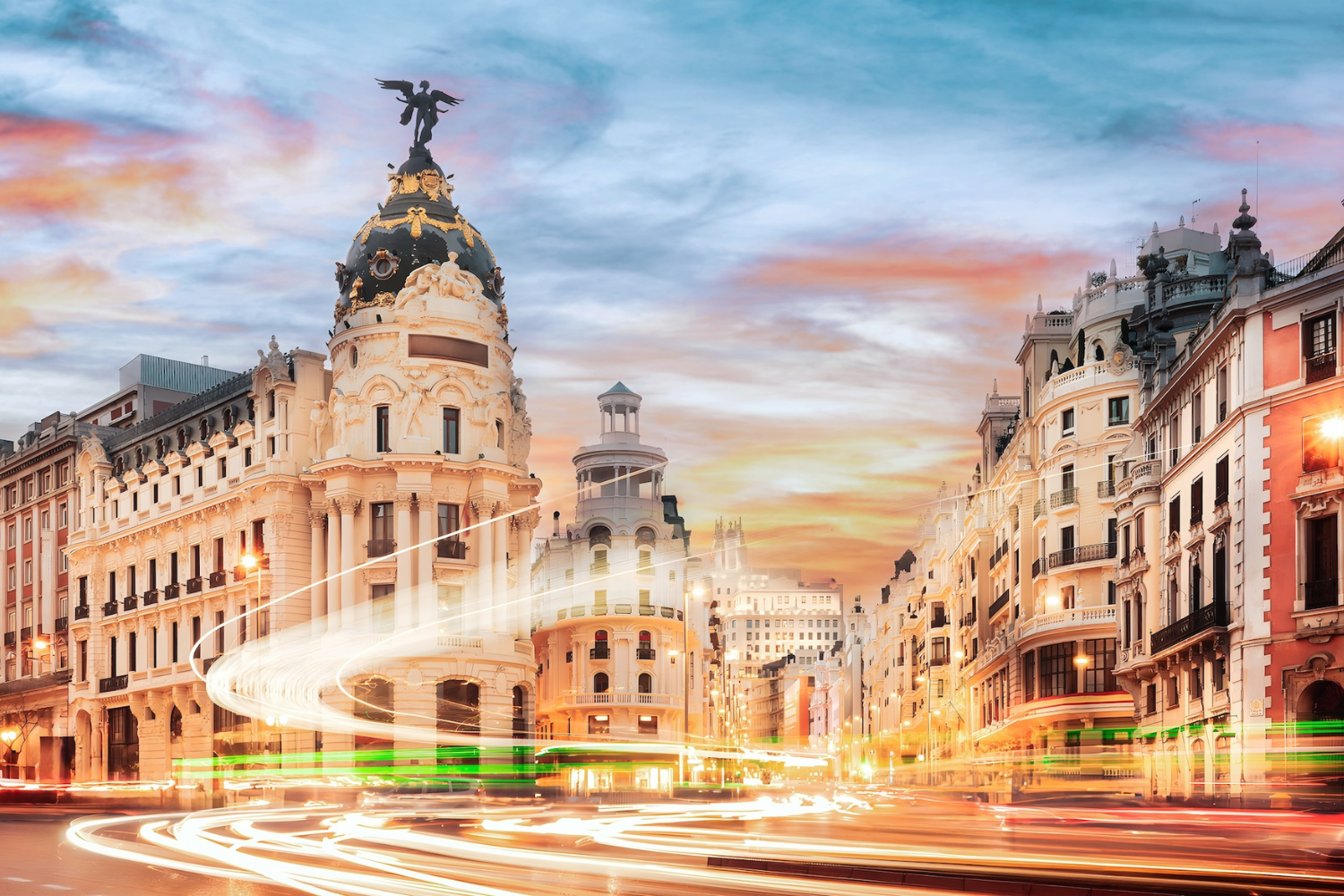
Save the date
FIPP WORLD MEDIA CONGRESS 2025
23-25 October 2025, Madrid, Spain
LIMITED LAUNCH TICKETS NOW AVAILABLE
>> This way to tickets
Asia
Several top agencies, including Leo Burnett Australia, Saatchi & Saatchi Australia, and Publicis Worldwide Australia, have severed ties with the advertising publication Campaign Brief. The decision follows backlash over its “Work 2024” feature, which showcased predominantly male creatives, sparking criticism for its lack of gender representation. The controversy highlights ongoing concerns about inclusivity within the creative industry
The East Asia Forum reports that press freedom in the Philippines under President Ferdinand Marcos Jr. is increasingly under attack, with legal and financial measures targeting independent media outlets. Journalists critical of the government are labelled as threats to national security, the article states, creating a climate of fear that stifles dissent and critical journalism.
Africa
The Conversation has conducted a large-scale research to assess “how well South Africa’s media adhere to the press code that holds them accountable to the ethical standards expected of them”. By studying public complaints to the press council, the findings showed that although most media outlets adhere to ethical standards, some struggle to uphold key journalistic principles, emphasising the need for stronger accountability and improved ethical standards in newsrooms.
A report by Africa No Filter reveals that African states may face up to $4.2 billion in annual financial losses due to negative media stereotypes that inflate borrowing costs. These narratives, which disproportionately focus on issues like corruption and instability, distort investor perceptions, leading to higher interest rates on sovereign bonds compared to other nations with similar risk profiles. “Africa is being unfairly penalized by a narrative that emphasizes its challenges while downplaying its progress,” said Moky Makura, executive director of Africa No Filter.