
Hitting the mark: What can the media learn from the influencer marketing industry about supercharging audience engagement?
Influencer marketing has shown some astonishing growth over the last few years, going from a $1.6 billion industry in 2016 to one that will be worth approximately $21.1 billion in 2023. It’s a success story the media industry can mine for fresh ideas.
There is certainly a lot to be learnt from influencers and influencer marketing when it comes to connecting with specialist communities. So, how can media organisations take the best tactics from personal branding and translate them into the language of audience growth and brand awareness?
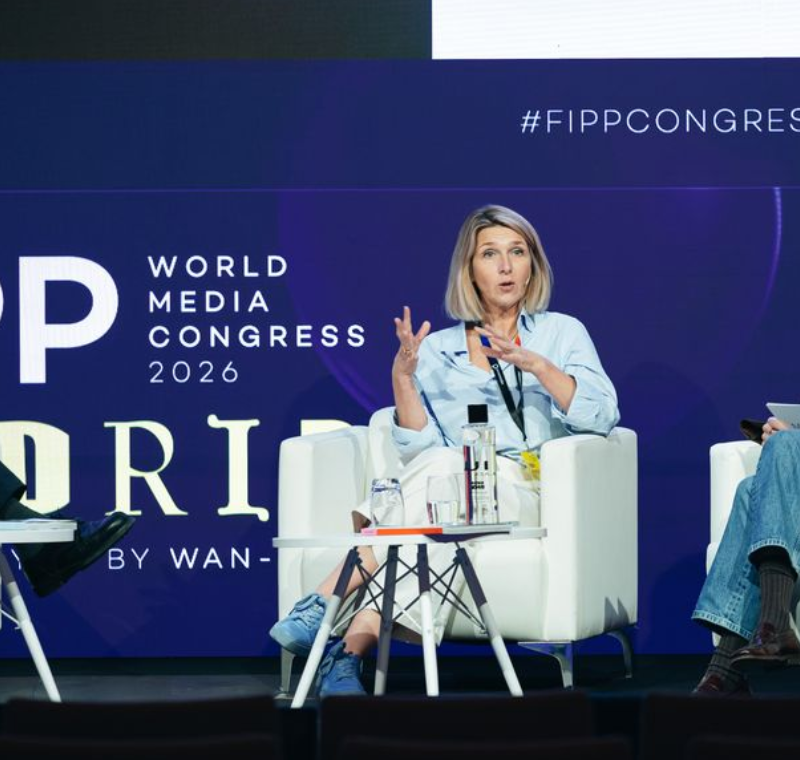
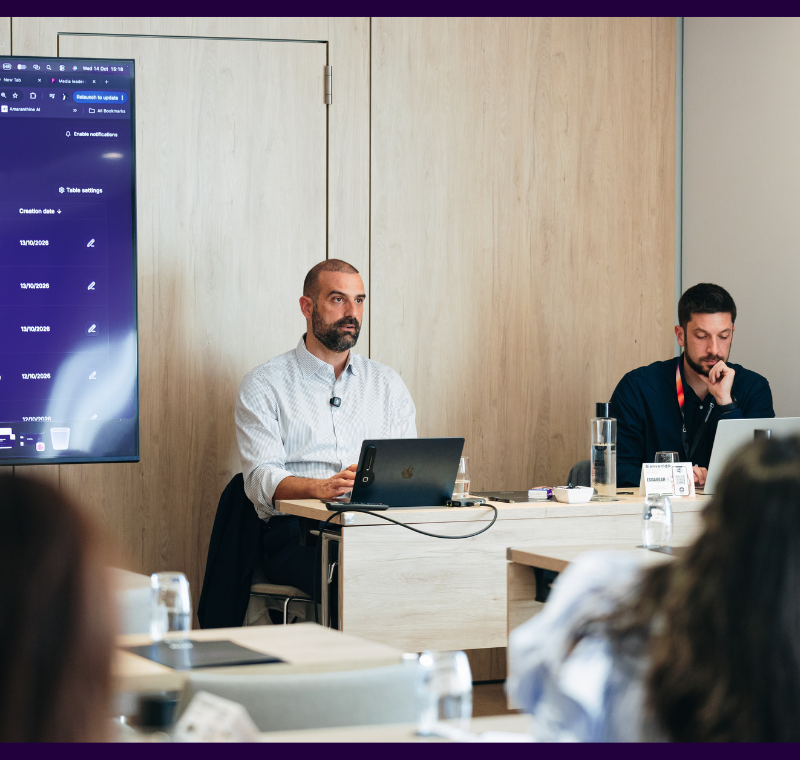
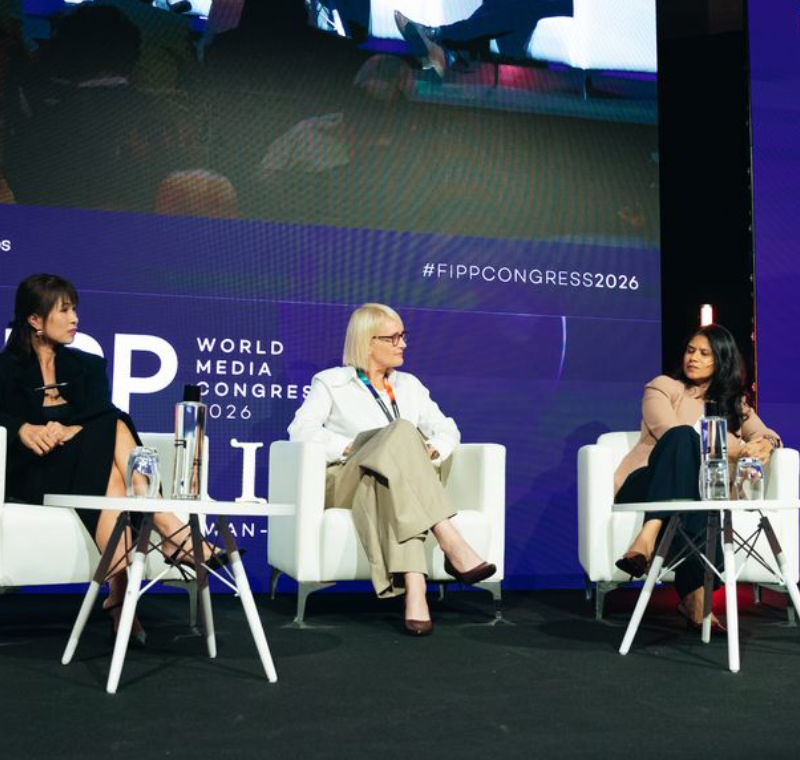
At the PPA Festival, Joe Friend, Co-Founder & Director Pepper Studio, sat down with a panel of influencers and marketing experts to talk about how to achieve deep engagement while looking at the positive impact and pitfalls of aligning individuals with media brands.
Audience engagement will be one of the hot topics featured at the FIPP World Media Congress 2023, taking place from 6-8 June in Cascais, Portugal.
See the agenda for Day 1 and Day 2. Get your tickets here.
What comes first in terms of storytelling – is it your content or your audience?
Alexandra Tolstoy, Content Creator, Author, Broadcaster and Explorer: For me, it’s definitely my content. Of course, I’m respectful of my audience, but I like to think that what I portray is true to me and authentic to me.
Katrina Broster, Marketing Performance and Technology Director, Financial Times: It’s audience for us. Influence marketing is a powerhouse of an acquisition channel given the foundations, trust, authenticity and the reliability in terms of acquiring subscribers. So, yeah, absolutely audience and then content to follow.
Just how important is good storytelling when growing your audience?
Obi Jude Nzeako, Content creator, Consultant Trauma and Orthopaedic Surgeon: I think storytelling is absolutely crucial and fundamental, whether it’s short form or long form. I think there are two types of creators. You have those who create specifically about things they love, like for instance, skin care creators. Then you have other creators who love the content creation side, who don’t necessarily have a niche. They want to create a little bit of everything, which means it can be difficult to reach a target audience. For me, that’s the kind creator I am, so I’ve had to ask myself, what are my content pillars, and then always bring my content back so they align with what I stand for. That way, hopefully, it will resonate with a certain demographic.
How can you grow an audience through storytelling?
Katrina Broster Quality over quantity every time. We spent a lot of time in the early days really talking about what we need to do to drive subscribers via content creators. Jumping back to some of my first work with creators to drive the subscription of the Telegraph, Fantasy Football. We had a real plethora of objectives. And in hindsight, talking about what Fantasy Football is didn’t get as much traction when compared to why you should use it. Why is this worth your money? Why is it worth the space on your mobile phone, etc. So that’s really what I mean by quality. Give your audience a compelling reason why there should be a value exchange between you and the brand.
Alexandra Tolstoy: I would say authenticity is crucial. From my experience when I collaborated with The Week or The Week Junior, because I truly read it, it works and my audience are already so tuned in.
Obi Jude Nzeako: I think storytelling is probably the most fundamental thing you do in content creation. Because as creators, we’ve got this thing called G.A.S, which is gear acquisition syndrome. Everybody wants to get a new camera, get a certain microphone, but actually that stuff is really low down in terms of priority. If you concentrate on the story, with the beginning, middle and end, it doesn’t matter if it’s 30 seconds or 30 minutes. And most recently, what I’ve learned Is that the beginning is the most important part – having a hook that has a human element. Anything you do, you have to captivate your audience.
A phrase we have coined in this industry is to make content “feel editorial and not advertorial”. How do you strike that balance where you are allowing creators to have creative freedom whilst making sure that the brand has control too.
Katrina Broster Well, you can absolutely achieve both of those things harmoniously, which a few years ago was a challenge. But you really have to do your homework. When you do an influencer marketing campaign, the first stage is the most crucial and really where you should be investing your time, where you can really look into audience insights and audience engagement. Go onto the content creators profiles, have a look at the type of subject matter that they’re talking about, how their audience is engaging with that content and you very quickly get a feeling whether it’s a good fit for your brand or not. And in my experience, the more out-of-the-box content partnerships tend to drive the best engagement.
Alexandra Tolstoy: When a brand or agency comes knocking on our door, I look for compatibility. I have pillars of who I am, and I wouldn’t want to do something that detracted from that or was kind of silly or superficial.
Obi Jude Nzeako: Yeah, I mean, I echo the same sentiments really. And it goes even further for me because I still work full time as a consultant surgeon, so I’m answerable to the public. I do occasionally treat patients who come to see me, and they’ll sometimes remind me of things that I’ve said on various platforms. So, It’s very important that when a brand approaches me, I ask myself whether this will compromise my integrity. The money might be good, but my reputation is way more valuable.
It’s good to shake things up and be creative when creating content but how do you make sure the language relates to both new audiences as well as those following you since day one?
Obi Jude Nzeako: It’s a good question and something I struggle with a lot because I create first and subject matter sometimes comes second. I use professional camera gear and I want to create a highly polished professional edit, but that doesn’t always work. Sometimes the overproduced edits get less engagement. So, whilst it’s important to experiment with different styles, I always have to remind myself, once I’ve made the video and I’m editing it, that I need to tie it back to one of my content pillars. I think that anybody who’s thinking about getting started, literally needs to write down two or three content pillars. On face value, the style might be slightly different, but the message will speak to the audience that you’re trying to speak to.