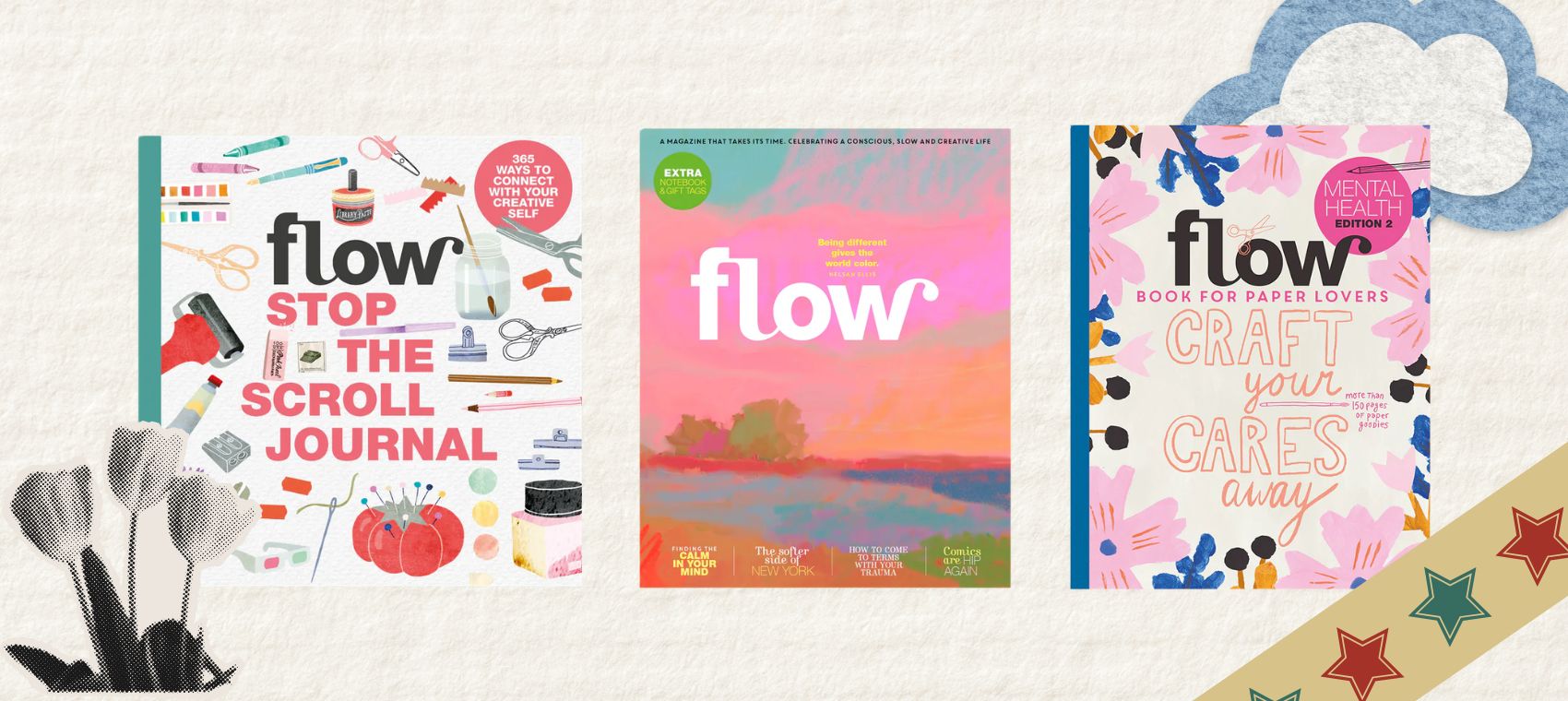
How Flow made slowing down a growth strategy
Flow co-founder and Psychologie Magazine Creative Director Irene Smit on paper as editorial strategy and audience loyalty that runs deeper than subscriptions.
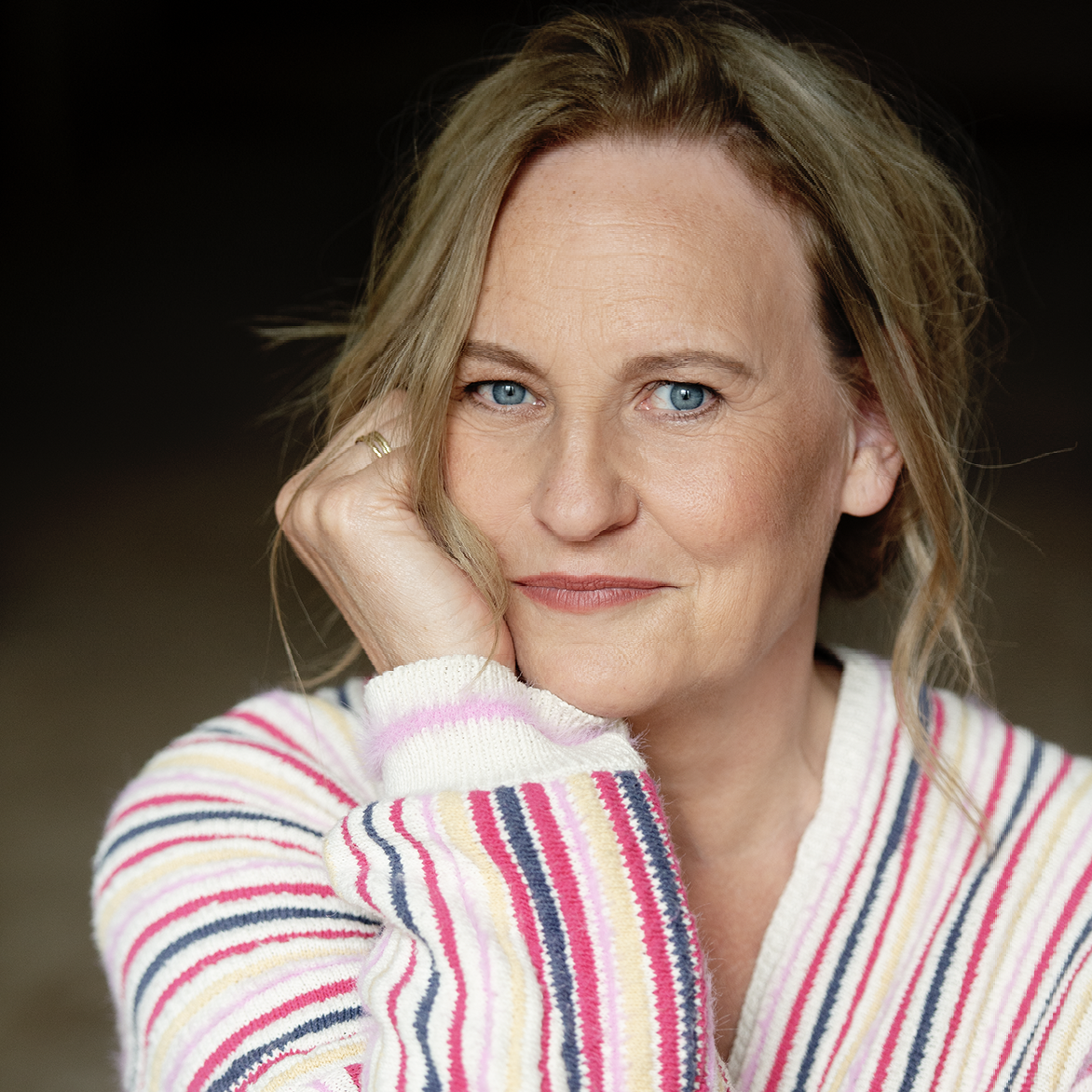
Irene Smit still keeps two reader messages on her phone. She has had them since the pandemic, when Flow – the Dutch-founded mindfulness and lifestyle magazine she created in 2008 – paused its international edition and readers around the world wrote in to ask when it was coming back.
One said: “We really need your inspiration, hope and goodness in my country.” The other: “There has never been a time when people have been so in need of permission to slow down, breathe, get curious, consider and reflect. There is no better time than now to bring back a publication dedicated to human beings, the existential questions that arise in our common humanity, and the messiness and trauma of everyday life.”
“Whenever I read those messages, I feel deeply grateful,” says Irene. “They remind me that what our amazing Flow team creates resonates with people far beyond the Netherlands.”
The pandemic pause, she says, taught her something publishers rarely get to see: just how much readers had come to depend on the brand, and how distinct that relationship was from simple readership. “Flow means much more to readers than a magazine. We can genuinely comfort people and help them feel seen, heard and connected. In a way, Flow is like a big sister: encouraging, reassuring and always there when you need her.”
Purpose as anchor
That sense of purpose, she says, has been her anchor through significant structural change. Flow has now passed through three owners – Sanoma, DPG Media and now Roularta Media Group, which revived the international edition after the pandemic. Through each transition, her approach has been the same.
“I always try to stay true to Flow’s purpose, and to my own,” she says. “No matter what changes around me – new publishers, new managers, new budgets – I try to keep listening to my inner voice and trusting what I believe in.”
What makes it work commercially, she suggests, is that purpose and editorial instinct have proven to be reliable guides to audience need. “I think a combination of instinct, a good feel for the zeitgeist and genuine enthusiasm has helped make that possible.” Roularta, she says, has been inspired by the vision rather than in tension with it.
That audience, she notes, defies easy categorisation. As she told the FIPP centenary magazine last year, Flow is less about demographics than mindset: “Flow resonates with people who are consciously seeking a slower, more creative, more intentional life” – something she sees in readers from their teens to their eighties.
She brings the same instinct to her second title, Psychologie Magazine, also published by Roularta. As creative director, she says she has found a brand whose identity is built on different foundations – rigorous, evidence-based journalism grounded in the latest research – but whose editorial soul is recognisable. “Both magazines create thoughtful, in-depth journalism about topics that matter deeply to people. And perhaps most importantly: both are made by teams who truly live and breathe their brand.”
Paper that means something
From the beginning, Flow has used different paper stocks across its three editorial sections, each chosen to reflect the content it carries. Glow – which covers beauty, inspiration and joy – runs on a shinier stock. Grow, which focuses on personal development and self-reflection, uses a slightly rougher paper. “Growth isn’t always smooth,” Irene notes, “and the paper subtly reflects that feeling.” Slow, the third section, has its own softer look and feel, “inviting readers to pause and take their time.”
“For me, these tactile choices are not details; they are part of the storytelling,” she says. Each issue also includes a paper gift – something designed to create, as she puts it, “delight, surprise and a sense of connection.”
The commercial case, particularly at a time of rising print costs, rests on the same logic as the editorial one. “If you play with paper, a magazine becomes an experience. It can feel like a gift, a surprise, a treat for yourself or for someone else.” In a market where readers increasingly choose to spend time with something physical rather than scroll past it, that experiential quality is the differentiator. “They want something they can hold, feel, keep and return to. That is why I believe these investments are worth making.”
As she stated in the FIPP centenary magazine last year, joining Roularta has made things more manageable: “Having in-house printing expertise makes it much easier to experiment.”
A symbiotic relationship
For publishers weighing whether a print extension is worth the investment, Irene says: “Go for it.” The argument she makes is not a simple defence of print, but a case for understanding what each medium does differently.
“Digital is fantastic for building communities, starting conversations and creating daily touchpoints through newsletters, social media and other platforms. But print offers something entirely different. It creates depth, focus and emotional connection.”
The brands that get this right, she says, are the ones that have stopped treating the two as competing for the same space. “Let digital support your print product, and let print deepen the relationship that starts online.”
For Irene, that integration points toward something bigger. As she told the FIPP centenary magazine last year, the longer-term vision for Flow is an ecosystem she calls Flow Club – a flexible subscription model letting readers build their own experience across print, special editions such as The Book for Paper Lovers, online courses through the existing School of Flow, and live events. “We’d love to create an ecosystem of content and experiences that readers can shape to their own lives, moods, and needs.”
The new yoga
Irene has a phrase for what print does that digital cannot: “Paper is the new yoga.” The comparison is specific. Both, she argues, create a deliberate moment of calm in a world that otherwise offers none. “Paper slows us down. It helps us focus. It gives our brains a break.”
She points to the same cultural signals that have driven Flow’s growth: people journaling again, joining book clubs, sending letters, looking for ways to reduce screen time. “The more time we spend online, the more we seem to crave offline experiences.” In an era of AI-generated content and algorithmic feeds, she argues, a magazine becomes something qualitatively different – not just a format but a refuge. “I think that need for tangible experiences will only grow in the years ahead.”
48th FIPP WORLD MEDIA CONGRESS
13-15 October 2026, Madrid, Spain
Last few tickets remaining!
Join the global media community in Madrid before the final places disappear.
Want to stay where the action is?
Contact us to find out about accommodation at the Congress venue, Hotel RIU Plaza España.
FIPP Congress 2026 sponsors