
Keeping the faith: How The Review of Religions stays relevant through its compelling events
A recent census carried out in the UK showed that, for the first time in a generation, 50% of people do not ascribe to a religion. While this might seem like bad news for a magazine called The Review of Religions, the opposite is true. As the Western world moves from organised religion towards finding spirituality in other places, the 124-year-old brand, once read by Leo Tolstoy, is more relevant than ever.
Set up in 1902 to answer existential questions about life and to explore the pursuit of happiness, The Review of Religions casts its net wide in 2026. While it is published by Ahmadiyya Muslim Community, it covers all religions, while also running stories on the spirituality of, amongst others, the samurai and Māori and Aboriginal people.
Its print edition is now distributed in 110 countries, while the brand has had 10 million video views across platforms in a year and has recently launched an online edition. A driving force behind the sustained success of The Review of Religions has been its events, described by Chief Editor and Manager Amer Safir as a “publication that you can walk into”.
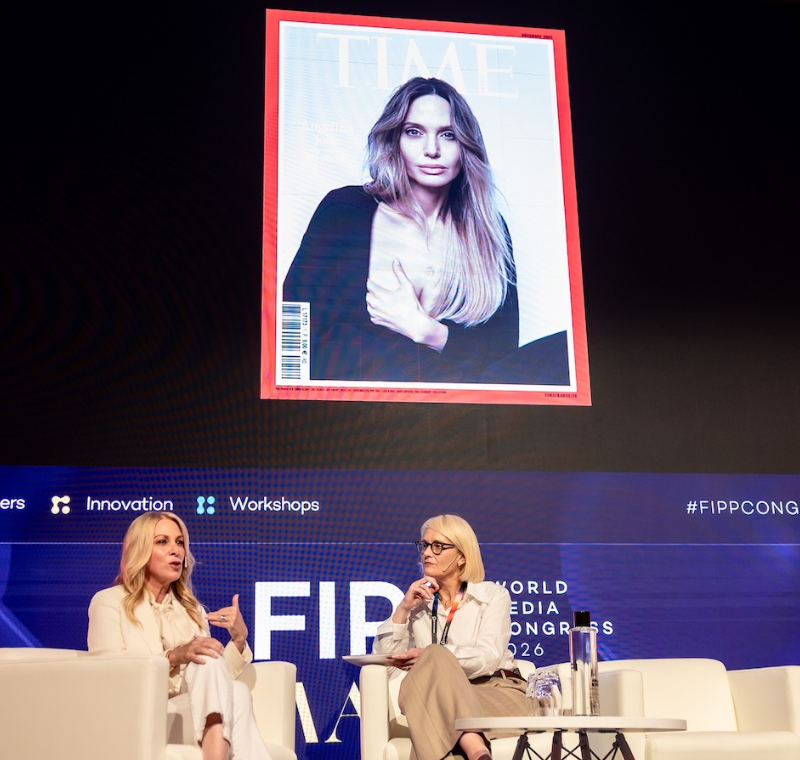
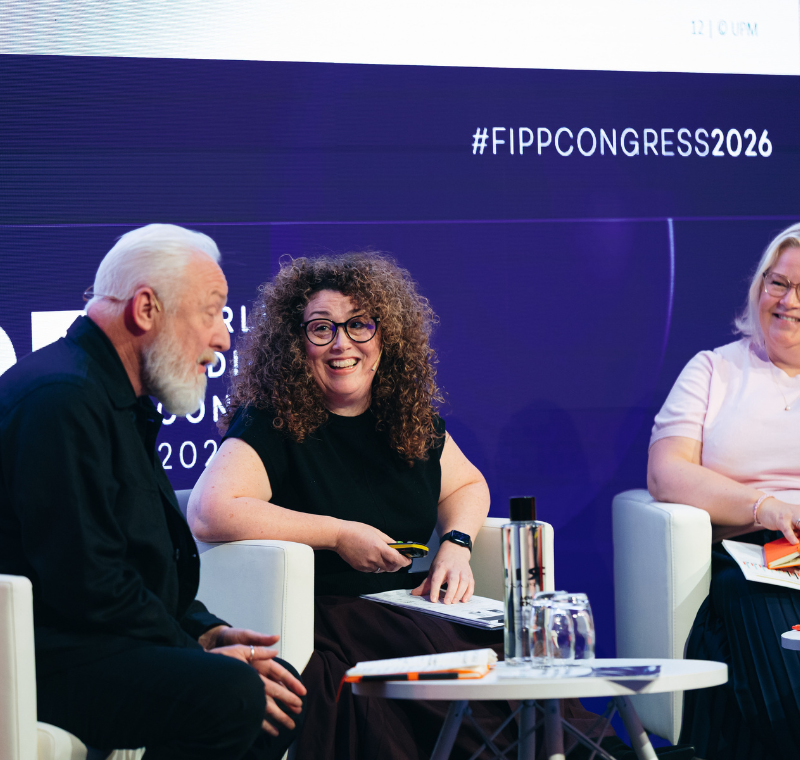
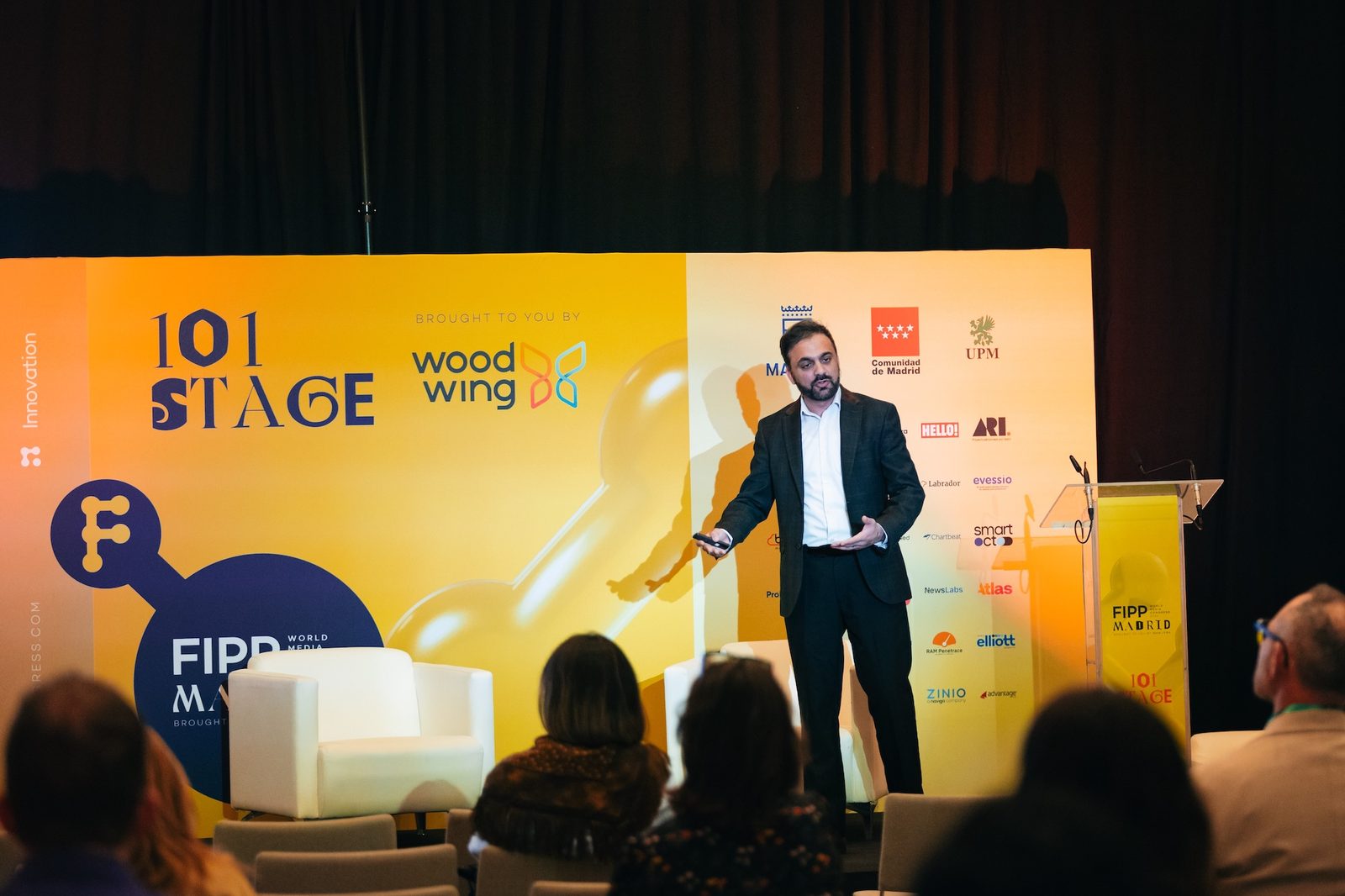
“An article can explain something, but we put it into a physical form,” he explained, talking at the recent FIPP World Media Congress in Madrid.
“And it is obvious why events and exhibitions need to be held because people are just fed up of being on their mobile phone screens. We’ve held events in different countries where we’ve had tens of thousands of visitors.”

FIPP Insider New York
3 December 2026, People Inc. Event Center
Join TIME, The Atlantic, People Inc. and more for a full day of fresh insights and new connections.
Beyond the page
The model The Review of Religions has adopted is to join existing events which already have large footfalls. For instance, the magazine joined an annual Ahmadiyya Muslim Association event that draws 50,000 people, while it also exhibited at the London Book Fair.
“In terms of exhibitions and audience engagement – when you go beyond the print edition, beyond online, and beyond a video, you need to offer something different,” Safir pointed out.
The brand achieves this point of difference by taking topics covered in The Review of Religions magazine and making it truly tangible at events. One such exhibition celebrated the huge contribution Muslims have made to technology.
“For a thousand years, the Muslims ruled Spain and brought phenomenal advances in things like the technology we used for the camera and the astrolabe – a precursor to the modern navigation system,” said Safir. “So, we decided to do an exhibition called the Golden Age of Islam to bring some of those objects into physical form.
“We had one of the oldest cameras we could find and an astrolabe from 400 or 500 years ago, among other objects. That way we could go beyond the pages into something that people can see tangibly. That was the first step of the personal engagement.”
While the objects were compelling, they were just part of the audience engagement drive, with live interactive workshops and Q&A sessions creating a deeper connection.
“That engagement takes another step beyond the different platforms that we have,” said Safir. “When we do demonstrations of calligraphy or art that people could actually participate in, it creates another layer of engagement.”
Unity through history
The remarkable ability of The Review of Religions to bring people of all faiths together was underlined by an exhibition centred around the Shroud of Turin – the centuries-old linen cloth bearing a faint image of a man that millions of Christians believe to be the burial garment of Jesus of Nazareth.
Perhaps the most debated relic in history, it formed the centrepiece of a conference where the shroud’s history and impact were discussed across religious lines.
“We co-hosted it with a Jewish individual called Barrie Schwortz, who was the official photographer of the first scientific examination of the Shroud,” recalled Safir. “He was a great friend who sadly passed away.
“The shroud is considered a Christian relic in the Vatican, so it created a really unique, amazing kind of atmosphere where you had Jewish people, Christian people, Muslim people, all international experts, and members of the public, in one forum. The Vatican Radio even interviewed us, so it became a global phenomenon in its field.”
Another high-profile global initiative launched by The Review of Religions – called the Al-Qalam Project – invited people, Muslim or non-Muslim, to hand-write a portion of the Quran.
“This went all across the world to Germany, Canada, America, India and the London Book Fair and people took part in an event where each person would write a verse,” said Safir.
“In terms of audience engagement, they actually became a participant in the process itself. This created a really unique kind of dynamic where people felt connected to a religion, which is misunderstood, but also to The Review of Religions itself. People were feeling emotional and connected.
“So, beyond the religious reasons from a publishing point of view, they became participants in a process which allowed them to connect and actually be part of it, not just experiencing it.”
Staying connected
The Review of Religions events are not just about participants connecting with culture and religion, but also with one another.
“It’s fascinating with the closure of libraries and community centres – and people not going to religious places as much – that people are looking and yearning for that in-person community experience,” Safir said.
“We actually found that when we had these events, people were almost relieved to see the brand beyond the screen. It was almost like, wow, you exist beyond just a digital format.
“And there was a human connection, which was very interesting and intriguing to observe. The personal trust hugely increased by people coming and seeing us in person as well. And new ideas were born through those experiences.”
According to Safir, loyal subscribers or readers don’t necessarily dictate what the next topic of the event should and are keen to see what the brand comes up with.
“It’s almost like they wanted to be led saying: this is great, what’s next? I found that fascinating that they just wanted to feel a belonging. They wanted to feel a sense of community, and they wanted to connect physically.”