
Life through the lens: The power and impact of Time’s visual storytelling
From the ongoing wars in Ukraine and Gaza to Donald Trump’s second coming and devastating natural disasters, 2025 was a particularly tumultuous year. Expertly covering every big event was Time magazine – the legacy brand’s stable of photographers chronicling the shocking, sad and sublime across the globe.
The greatest of these images have been selected for Time’s 100 Photos of the Year of 2025, released late last year. Capturing the most eye-catching moments in news, sport, wildlife, technology and sport, the edition is a celebration of the incredible skill and sacrifice of the visual storytellers used by the magazine.
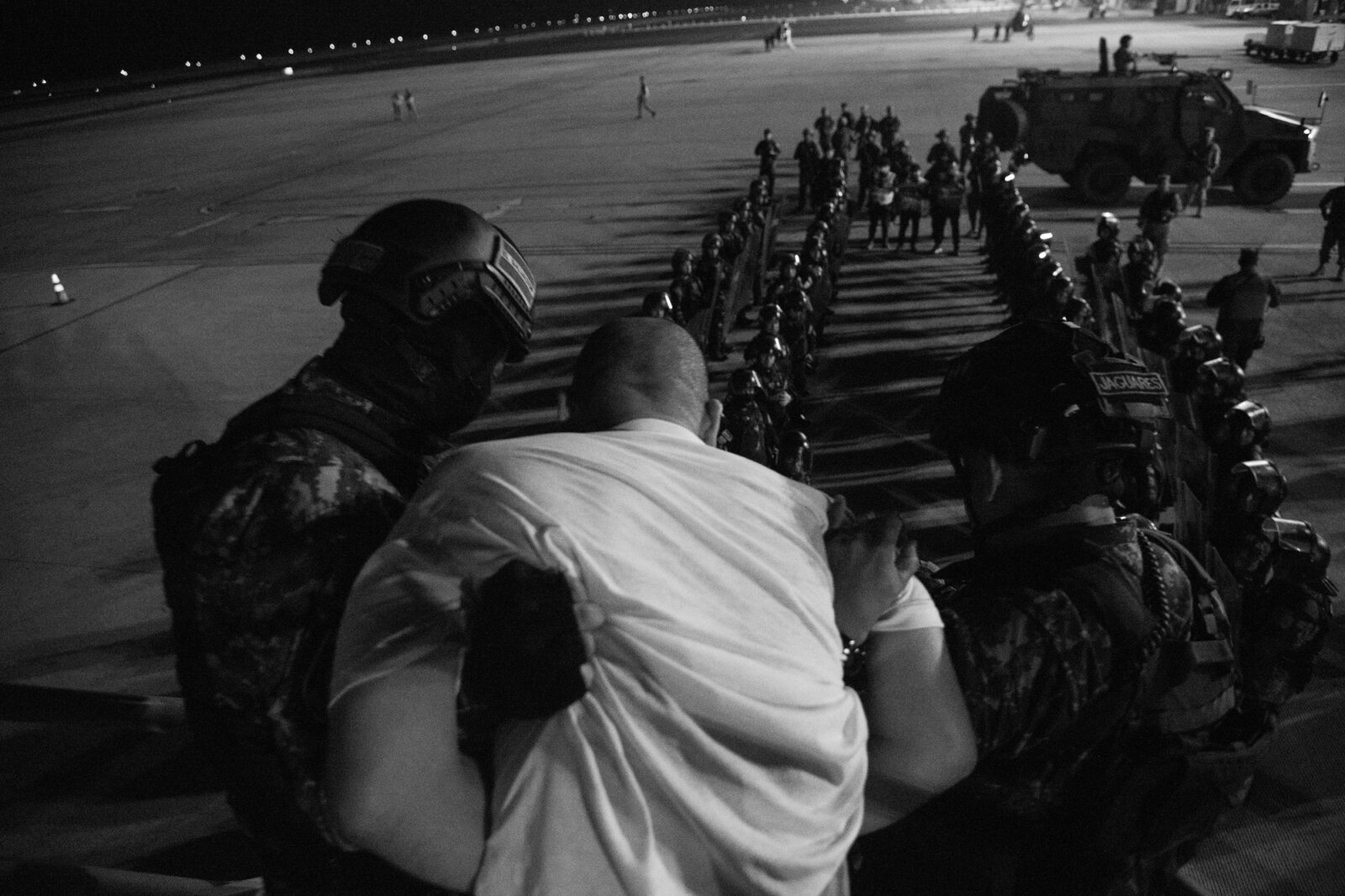
Whether it’s a river of people fleeing Gaza; a protester wearing a gas mask and the attire of a whirling dervish being pepper-sprayed by police in Istanbul; Carlos Alcaraz stretching for a forehand during the U.S. Open; an AI-driven humanoid robot changing diapers; or men being deported from the United States to El Salvador, the photos all pack an emotional punch.
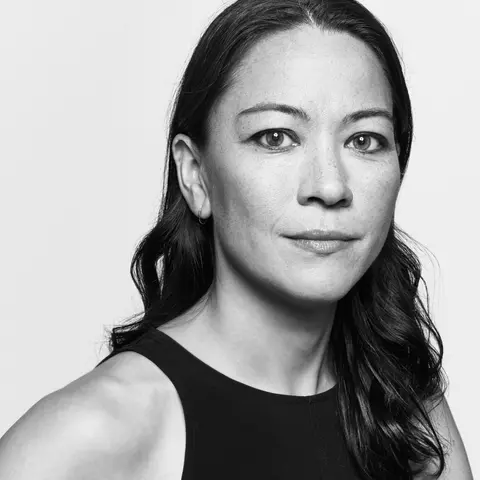
We caught up with Time’s Director of Photography Katherine Pomerantz to talk about compiling the collection; the dangers posed to photographers on the frontline, finding more diverse visual voices and how AI is affecting photojournalism.
How do you go about selecting just 100 photos? There must be a lot of great images that don’t make the cut.
The process actually starts in January of each year when the photo team starts to pull together outstanding photos from big news events, or even pictures that we see on Instagram by independent photographers. Last year, the LA wildfires were the first big news story of the year. So, we have a big folder of images, that we keep adding to. And then come August, we’ll start to narrow down what we think rises above the other images. It’s really tough to cut, but it’s a fun process in that we get to have conversations about photography with the team and hear what stands out to different people. There’s a lot of convincing and there’s a lot of agreeing. It’s my favourite project.
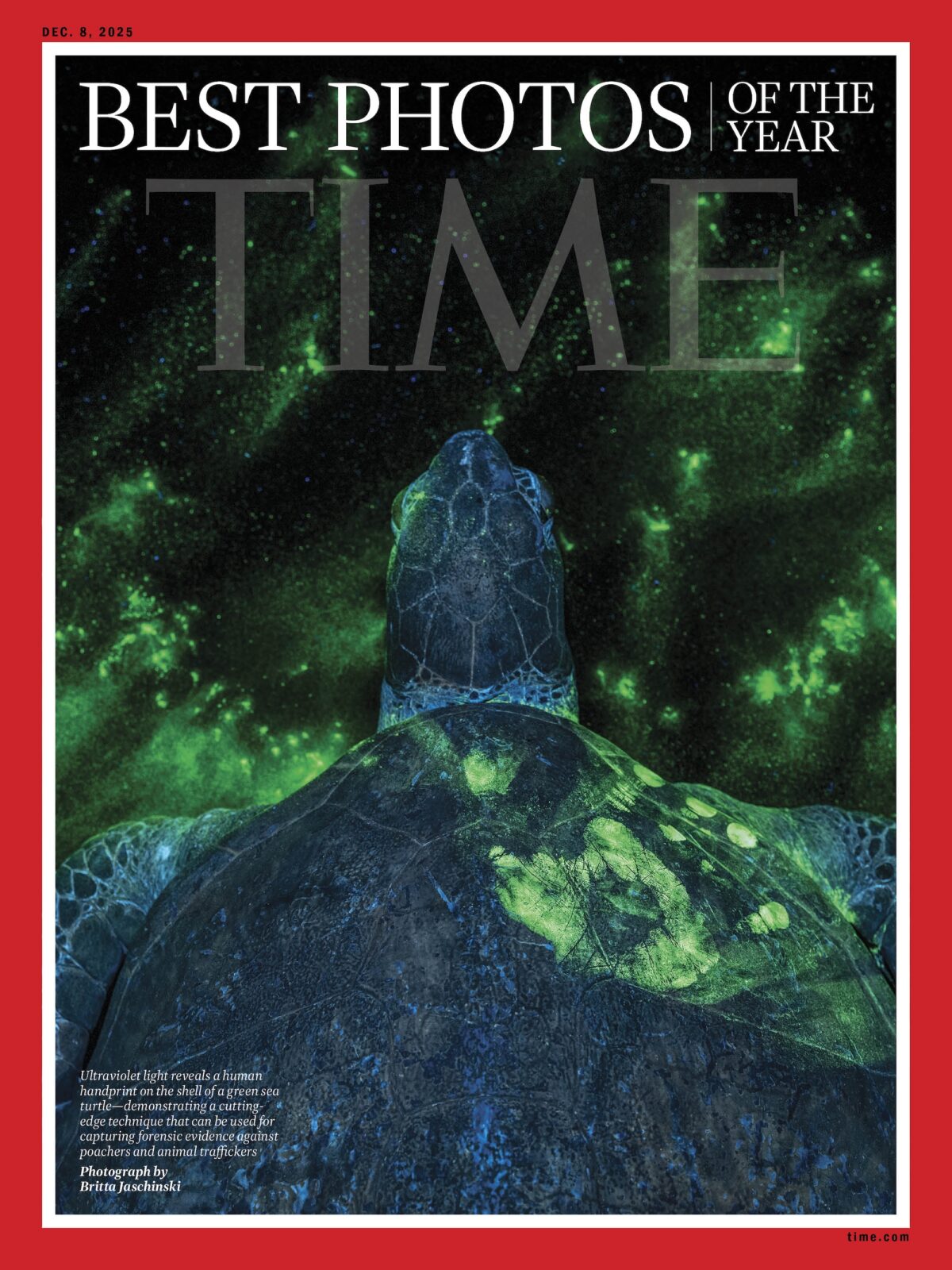
The cover shows a human handprint, illuminated by ultraviolet light, on the shell of a green sea turtle – a cutting-edge technique for capturing forensic evidence to be used against poachers and animal traffickers. Why did you pick that image to front the collection?
I think this is a particularly tricky cover to land on. We typically don’t want to use a news image because it will feel like it’s backward-looking. It may seem like, on the cover of Time, we’re covering an event when it’s already happened six months ago. It’s possible we might find an image that feels a bit more artful from a news event that might be able to speak to the larger project of Photos of the Year. But his one just really stood out because it is so unusual. It works on so many layers. It was newsy because of the new technique they used to catch poachers. It’s just beautiful and has to do with wildlife conservation. It felt a little bit more evergreen than some of the newsier photos we were looking at. We thought it stood out and could sit on newsstands for a little while and allow people to pause and look and maybe learn more about it.
What is the secret behind taking a really powerful photo?
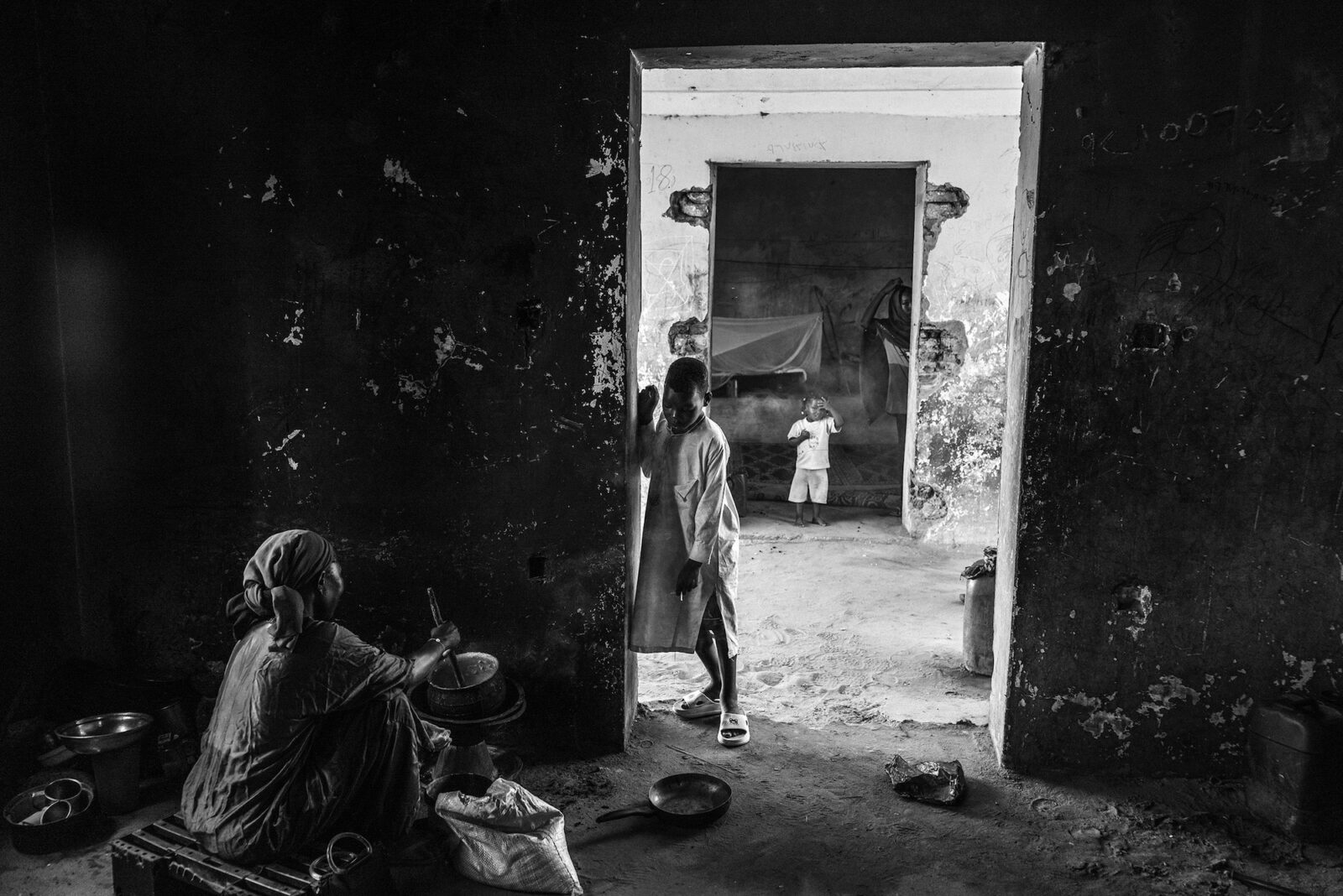
A lot of the time when we assign photographers, we think about specifically pairing the writer and the story with someone who can dig a little deeper and try and showcase almost everyday life in a way that feels relatable. One example is a photo in the Top Photos collection taken by Moises Saman, who covered the humanitarian crisis in Sudan. It’s a picture of a woman cooking and there’s a child in a doorframe and another child in another doorframe slightly further away. Moises wanted to find a moment that felt different. We’ve seen lots of the images of refugees and the displaced in camps and in tents, but he found this quiet, almost everyday moment that brought a lot of humanity to the situation. It was very relatable in a way – it’s just a mother providing for their children. The way that he layered it, used black and white, worked with the textures, the light and the shadows – I think it’s just a smart and beautiful way to approach taking a photo.
One thing that really comes across in the collection is the danger some of the photographers had to put themselves in to capture a moment. How big a concern is it that some of the people you commission might increasingly be in harm’s way during these turbulent times?
That’s a very good question and a difficult subject. I think that in general the photographers are more prepared than they have been to go on the frontline. I think when I first started in this business around 2006 anyone with a camera was going out to war with no training, no flak jacket. It was sort of cowboys going out and trying to cover what’s going on. And now I think people are well educated on what safety measures need to be taken. Also, publications are more on top of taking care of their freelancers. We take our security very seriously and do a lot of due diligence before we send somebody into a conflict zone or into a space that might be a little bit more challenging. But yeah, being a journalist is a risk nowadays, in general.
Some images in the Top 100 Photos collection looks at the impact of artificial intelligence. How is AI changing photojournalism?
I think, in a way, the AI revolution has created more of an importance in photojournalism. Because of all of the fake and AI imagery out there, there is more of an emphasis placed on photographers that are on the ground in breaking news situations. And I think that’s going to become more important than ever. In a way, it’s given photographers more authority in telling those stories when they’re out in the world with boots on the ground. And it’s very helpful to work at a legacy brand like Time with this hundred-year history of trust, impact, seeking the truth and the journalistic integrity that we strive for on a daily basis. That certainly helps when we put an image out there to give it the stamp of approval that it’s been vetted. We do have photographers that we trust and also work under those same principles. And I think it’s exciting time for photographers who want to tell stories of real people in real time.
[More like this] From Trump to Bad Bunny: Why Time remains a hugely relevant brand at 102
You are a staunch advocate for diverse visual voices. Why is that so important in our industry?
I think it’s really important, especially when it comes to the photo editors and photographers, to be able to draw on your experiences when you are telling stories visually. About 20 years ago, magazines would send one photographer in to cover all the stories around the world, which has its value. But I think when you have a local photographer telling the story of their communities, they’ll have more information and will be able to contribute to that perspective in a way that is different than if somebody’s coming in fresh. I think there’s a lot more support for more diversity in photography now. A lot more editors on the desk side are looking for new emerging voices globally. It’s exciting to see.
What are some of the photos that have meant a lot to in your life?
I remember once seeing a photo in a National Geographic of a skull or bones in, I think, Indonesia. I was very young and it was frightening to me. I was moved by it. Fear was my initial reaction, and it was the first time I remember seeing a still image of something miles and miles away. It made me curious about the world, and I think that still remains. I think that’s what I still find so exciting about photography – that you can be sitting in your own little bubble in your own experience and then see an image and feel moved to an emotion. And that’s what drives me every day to kind of keep going.
What is the best career advice you have ever received?
Probably take risks and don’t sell yourself short. I think one thing I personally had a tendency to do was look at a job description or a role and think: you know, I’m not there yet. I’m not quite right for it. So, it’s important to find yourself a great mentor or a great boss who will champion you and see things in you that you might not be able to see yourself. And they will elevate you in a way that will help you believe in yourself. That’s where I feel like I’ve been fortunate. Another great piece of advice is to write a great thank you note. That’s advice I would give to younger people starting out there. Just write thoughtful thank you notes and don’t have AI do it for you.
[ICYMI] FIPP World Media Congress Report: Five shifts shaping the future of global media

![[New!] FIPP Global AI in Media Tracker – November 2025](https://www.fipp.com/wp-content/uploads/2025/06/articles-header-800x760.png)