Signal achievement: Lessons in subscription strategy from The Atlantic
In March last year, The Atlantic went from writing headlines to becoming one. In what would subsequently become known as ‘Signalgate’, then US National Security Advisor Mike Waltz erroneously added the American magazine’s editor-in-chief Jeffrey Goldberg to a messaging service group chat discussing military operations.
While the firestorm that surrounded subsequent coverage of the leak said a lot about the fractious relationship between the White House and the media, it also underlined the strong bond between the 169-year-old brand and its rapidly growing army of subscribers.
After the story first broke and The Atlantic published a partially redacted version of the Signal conversation, the magazine saw a predictable spike in subscribers. However, the reason people subscribed started to change after The Atlantic published a second, unredacted version of the leak – and the debate around government security practices, press freedom and the ethics of reporting leaked information really started to heat up.

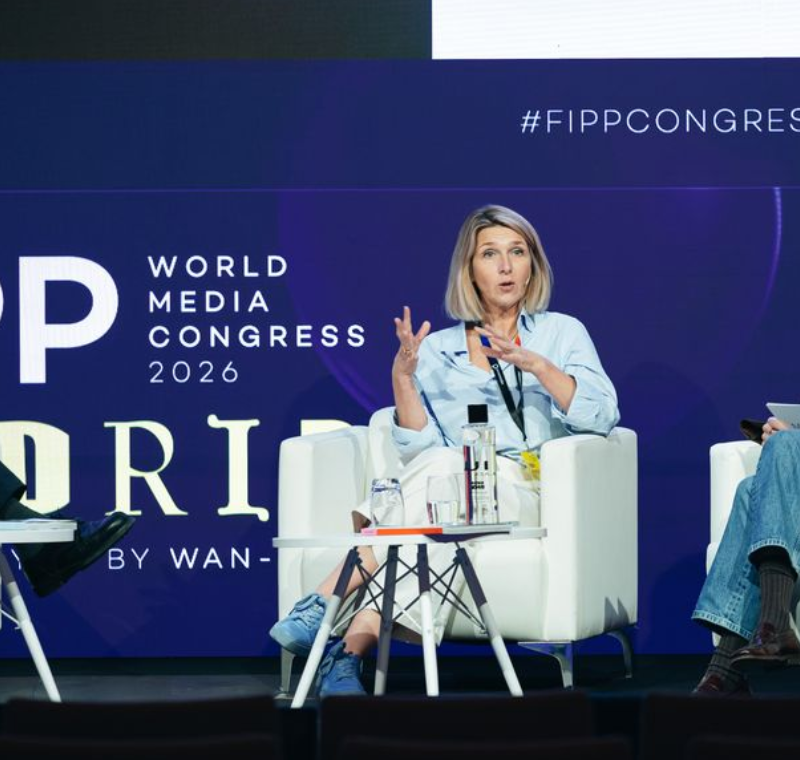
“When the story was first published, we had such an influx of traffic,” recalled Megha Garibaldi, Chief Growth Officer at The Atlantic, speaking at the FIPP World Media Congress. “Jeff Goldberg writes brilliantly, so there was so much interest in the piece itself.
“The first piece published on a Monday and then on Wednesday they made the call that, if the agencies are telling us it’s not classified, if the president is saying it’s not classified, then we should publish the whole thing – and then people can judge what the truth is.
“When the second piece went up, this is where the (subscription) pattern start shifting and you start seeing the traction. It wasn’t just about reading the story, it was: ‘We think what you’re doing is right and we appreciate it and we want to support the independent press’. Because that is a big conversation right now in terms of the power of the independent press and how we are operating in this world.”
The Atlantic made sure they welcomed new subscribers with open arms. “Our teams were really optimising the moment in terms of making sure we are reaching out to people, having an email and social media strategy,” added Garibaldi.
“We realised that people really wanted to hear from Jeff Goldberg, so we immediately arranged for a Zoom event with him. Subscribers were invited to come to that conversation with Jeff, who was being interviewed by one of our journalists.
“We had about 20,000 people log in just to listen to him. It was an extraordinary week and also one that everyone at The Atlantic felt immensely proud of. It tells you that if you are doing the right thing in the interest of an independent press and doing what your mission is oriented around, there will be a market for it.”

Making up for lost time
Since launching a digital subscription in late 2019, The Atlantic has seen impressive growth, raking in around 1.4 million subscribers paying anywhere upwards of $80 a year. In January this year, the magazine introduced Premium Plus, a subscription that includes family- and friend-sharing, among other exclusive benefits.
The magazine’s original subscription strategy was drawn up under new ownership with David G. Bradley selling a majority stake in The Atlantic to Emerson Collective in 2017. While The Atlantic’s decision to put up a paywall lagged behind other legacy brands like The New York Times and the FT, the delay allowed some time for soul searching.
“There was more investment to really think about what does The Atlantic stand for and what is the revenue model that is going to work for it,” Garibaldi pointed out. “So, in a weird sort of way, 2019 ended up being a point of strength. It was building from strength rather than: ‘Oh my goodness, everybody else has a paywall. What do we do?’
“We believed given our mission, given what we are producing – that connection and a financial relationship with the end reader is only going to make us better and help us with a sustainable future. The timing was right.”
According to Garibaldi, the magazine realised early on that a metered paywall was not for them.
“What we realised was either people are willing to pay or not, so we should ask them to pay and let’s just see what that looks like,” she said.
“If you want to be fair, find a way that is convenient and allow them to sample a free trial. We have what we call a smart paywall, which paywalls pretty aggressively, but also understands referral trends and all the different parameters and feature sets that a paywall can work with.
“But the strategy is not a habit-based strategy. The strategy is – let’s offer this to you and let’s see what happens. And for the rest, let’s try to build a direct relationship that again is not expressly built on this idea that you’re going to wake up in the morning and you’re going to read The Atlantic cover to cover.
“Even though I would love that, and many people do that, we just realised that if you do something good and your proposition is out there, put the offer.”

BREAKING: Congress 2026 tickets just dropped
48th FIPP WORLD MEDIA CONGRESS
13-15 October 2026, Madrid, Spain,
A rich history
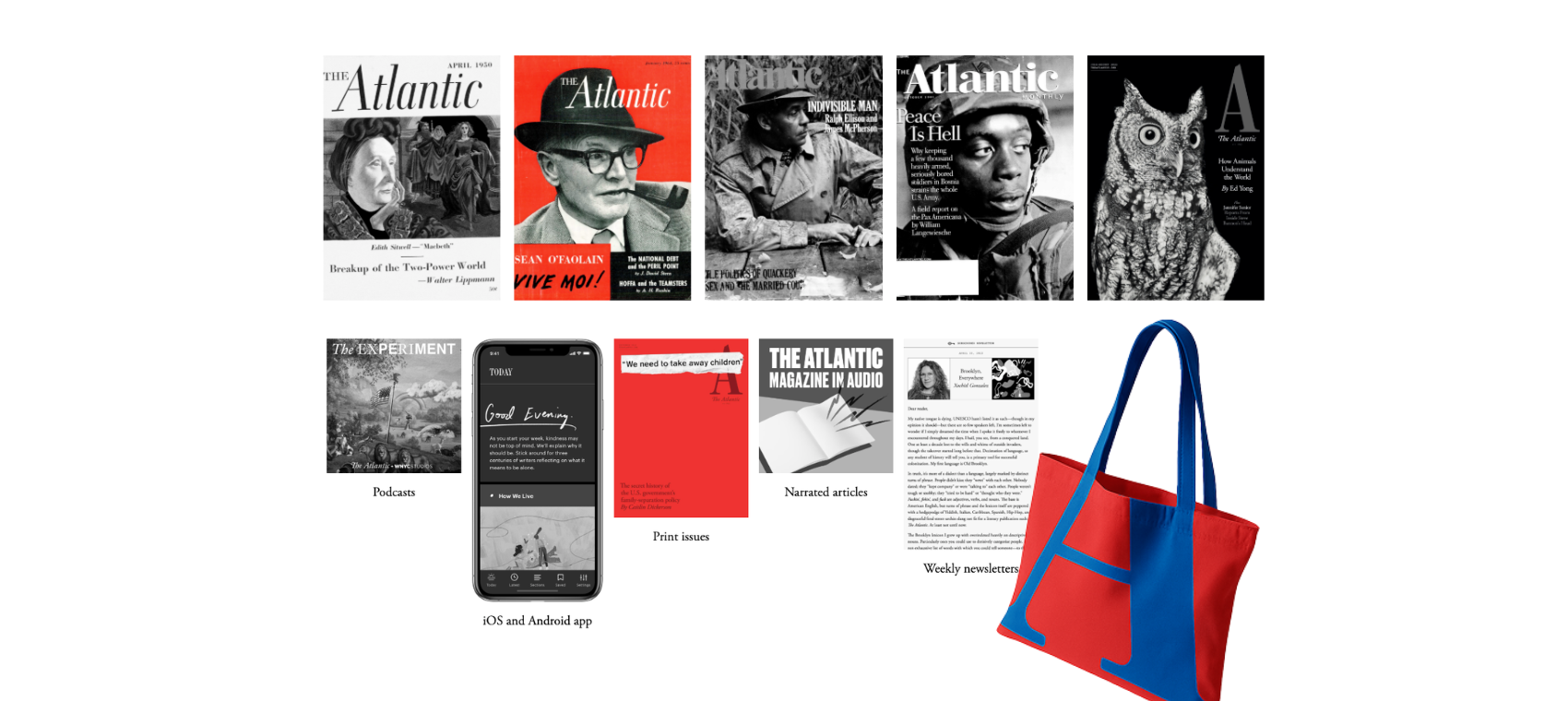
The reason to subscribe to The Atlantic is very much linked to its remarkable history. Founded in 1857 by a group of prominent abolitionists and writers, the magazine was designed to showcase literary talent in order to “understand and interrogate the American idea”. Those who have contributed include Mark Twain, Harriet Beecher Stowe, Albert Einstein and John F. Kennedy.
The Atlantic has maintained its high editorial standards to this day – something that acts as a bedrock of its subscription strategy.
“The newsroom at The Atlantic is really built with incredible journalistic power and talent,” said Garibaldi. “And that is only going to become ever so important in the age of AI where readers want to connect with a writer, they want to feel closer to the writer and to understand the power that they bring. So, The Atlantic is all about that. It’s long form journalism, it’s deep reporting analysis, thoughts, opinions, ideas.
“The Atlantic is deeply reported in this idea that a collective of writers will be able to showcase what incredible journalism and writing looks like, and it has to be independent. So, even within The Atlantic between the editorial team and the business team, it is church and state.”
Garibaldi pointed out that she could never tell the most junior member of the newsroom what to write, let alone the most senior members.
“The principles at The Atlantic are largely what the principles are for journalism and that will not be shaken,” she added. “It is about making sure we are sticking to fact the journalists are able to excel in what they are doing and report what they are seeing.”
The Atlantic has found readers are more than willing to pay for quality, trusted journalism.
“Sometimes we make a bigger issue of it in our heads as publishers where we hold this really dear idea that our readers are not going to understand (paying for content) and they’re used to getting everything free. And that’s not true,” said Garibaldi.
“Readers and consumers will recognise high quality. You have to believe that. When you ask in the right way and you connect the dots, people are going to acknowledge it, and they are going to think about whether this is valuable enough for me to open my wallet.
“And invariably it is. If the value proposition is one that is really appealing, people are going to pay for it.”