Standing the test of time: Behind the scenes at the 100-year-old Good Housekeeping Institute
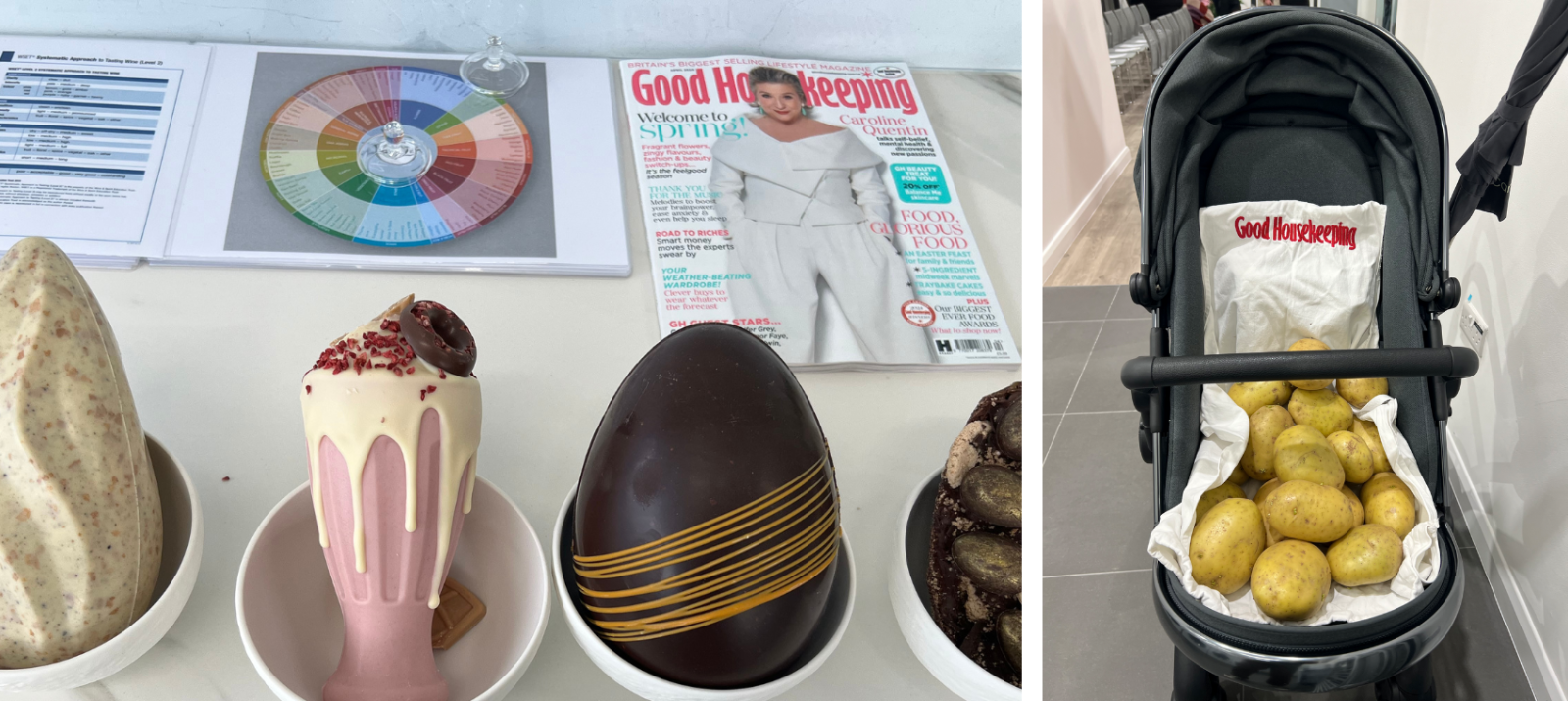
At the Good Housekeeping Institute, Easter has come early. Counter tops creak under the weight of a mountain of chocolate eggs, which will soon be broken into smaller pieces in a tasting room next door. Here, experts in white lab coats will determine the quality of the sweet treats, rating them on a scale of 1-9 – reviews that will make its way onto the platforms of Good Housekeeping, the venerable media brand that’s been going for more than a century.
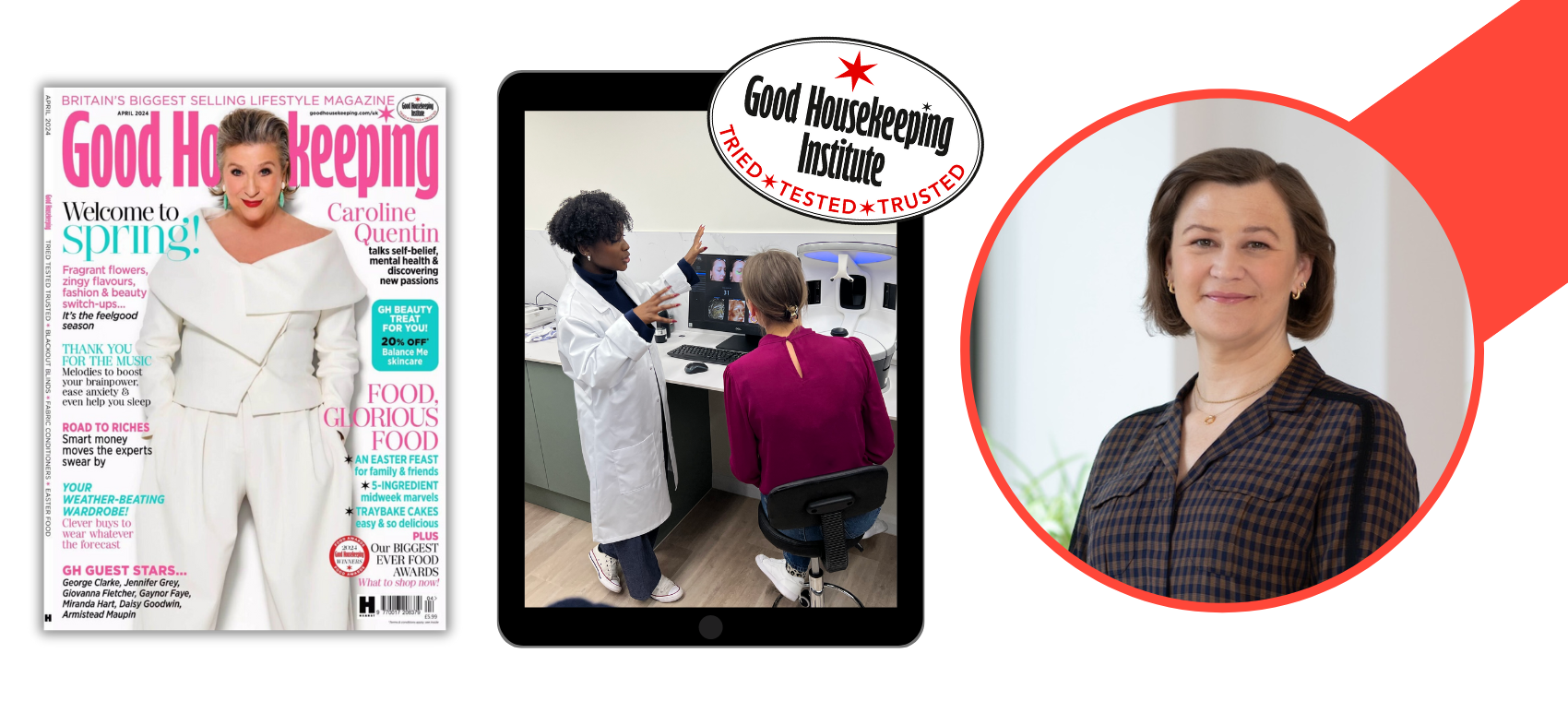
The GHI itself is 100 years old this year and it’s because of the milestone that FIPP finds itself at the cavernous consumer test house in Feltham, West London, where around 3,600 products were put through their paces last year – with some awarded the much coveted Tried & Tested seal of approval. As part of its centenary celebrations, the GHI is throwing open the doors of its famed facility on a select few days for a behind-the-scenes look.

“We love having visitors here and showing them what we do because I don’t think people realise quite how in depth we go with the testing,” enthuses Laura Cohen, Head of Accreditation at the GHI. “The fact we’ve got experts testing the fridge freezer, the washing machine, the Easter eggs means we can confidently say to consumers we really like this product. It performed as it should have done.
“That is really at the core of Good Housekeeping – that trust consumers have had with us since the brand launched in 1922 and the Institute in 1924. So since then, we’ve always had a facility, we have always tested products and we’ve grown with the market.”
Cohen’s words about a depth in testing are backed up by the meticulous work of the GHI experts. The attention to detail at the Institute is remarkable. In the Food and Drink tasting room, barriers separate those carrying out tests, so they’re not swayed by the facial expressions (whether it be delight or dismay) of fellow experts.
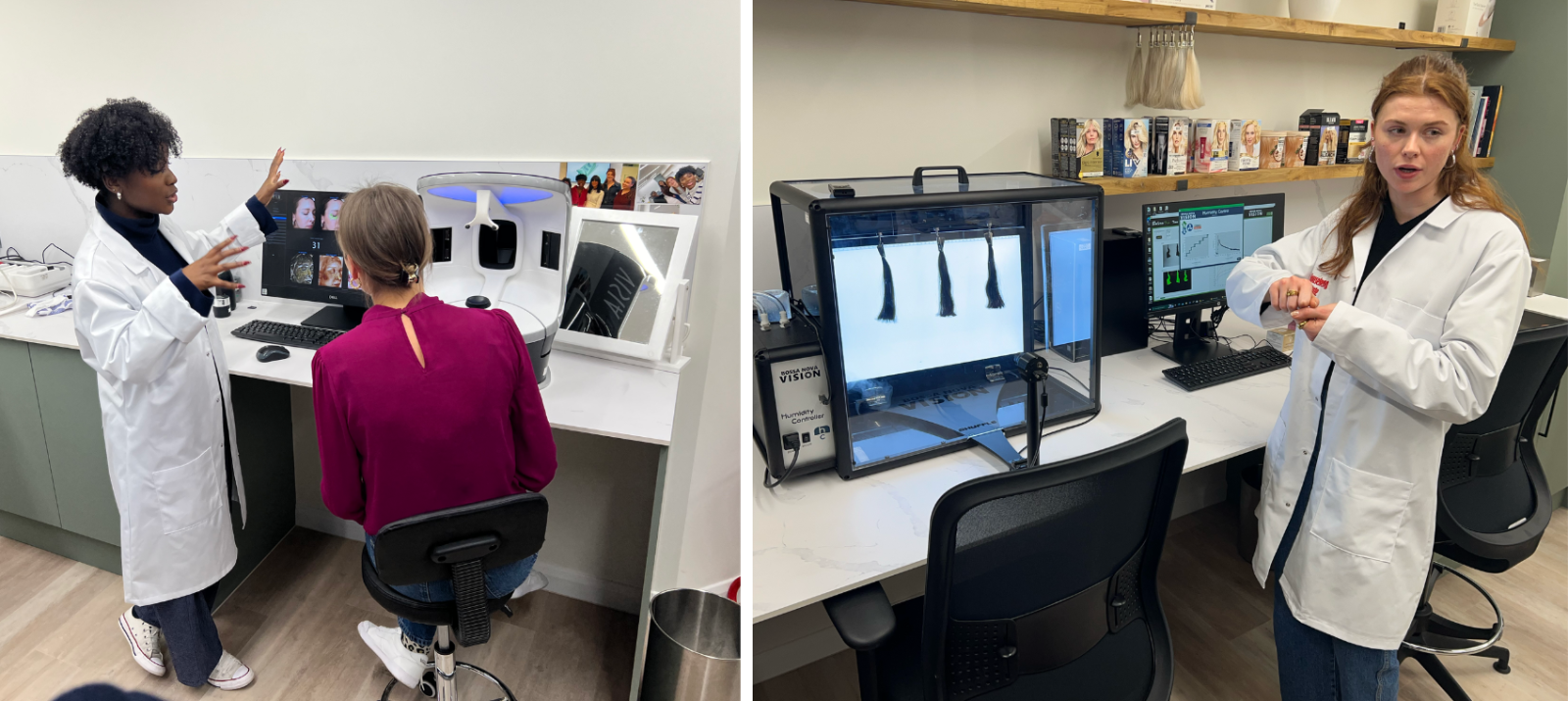
In the Beauty and Grooming lab, a VISIA skin analyser counts wrinkles to make sure creams do what they are supposed to. Nearby, bushels of hair are exposed to humidity as part of a test to gauge the efficacy of hair straighteners, while another machine checks how hydrated skin is.
Downstairs, a baby stroller has been filled with potatoes, ready for someone at the GHI to take it for a walk and see how it performs under the approximate weight of a small child. Around the corner, four different surfaces have been covered in dirt (including dog hair donated by fellow workers) and offer a stern test to a range of vacuum cleaners.
Then there’s the Wet Room, where the floor has been soiled with red wine, tea and muddy footprints to test cleaning equipment; a gym with countless dumbbells and some work-out machines; and a kitchen where a series of air fryers are competing with one another.
For the manufacturers whose products make the grade after all the rigorous testing, the benefits are huge.
Mark of success
Research shows that 82% of consumers are more likely to buy a product if it bears the GHI’s approval logo. It’s small wonder, then, that the GHI’s accreditation business grew by 10% in 2023 as manufacturers chased the Tried & Tested badge – and not always successfully.
“There’s a fair proportion of products that don’t pass the testing, and it can sometimes be household names,” Cohen points out. “It’s so important for us, that level of trust, that we would never offer the endorsement out to a product that we were not 100% behind.
“The Good Housekeeping readers are quite a vocal bunch, and they will absolutely tell us if they disagree with any of the reviews, our content and if someone has bought a product off the back of an endorsement and they’re not happy with it.”
The close link the GHI has with consumers is sacrosanct and informs the way testing is done at the Institute.
“The way we test things is always with the consumer in mind,” adds Cohen. “We don’t pull washing machines apart here. We test as the consumer uses the product, because the consumer is the heart of where we want the review to sit, how we want the review to look.
“How does the consumer use a washing machine? They don’t care what the individual bits do, but they do care if their washing comes out super creased or the product doesn’t work and it doesn’t perform a well as it should. Or the product has made claims about water and electricity usage that aren’t true.
“So that’s how we test and that’s how we’ve managed to evolve the testing – by keeping on top of trends and working in partnership with external clients to make sure that we are testing the latest innovations.”
Lending a hand
The relationship between the GHI and the public goes further than reading reviews, with consumers actively getting involved with testing products at home. Within beauty alone, more than 5,000 people took part in the process in 2023. There were also 223 taste tests, with 1,200 consumers coming into the GHI for a nibble.
“It depends on the product and the category of product,” explains Cohen. “With the washing machine for example, that’s tested only ever on site because we use a detergent that we know has passed previously, we use stain strips that have been made in a lab to our specifications, we use the same ballast every time and the water pressure is the same because it’s tested in the facility. So, we’ve taken out all the variables and what determines the performance is the washing machine.
“With beauty products, however, there’s subjectivity around fragrance, the feel of the product on your skin and if the packaging was easy to use. So, that’s where we send a product out to consumers, for them use as well. Beauty products are still tested in the lab and there are official lab results, but the consumers give us feedback when it comes to certain aspects.”
In terms of trends, the hot items at the moment include air fryers, heated air dryers (with people switching off their tumble dryers because of the high cost of living) and certain cosmetics.
“There’s innovation in ingredients in skin care,” says Cohen. “Now that we can test products for their efficacy, there is much more ingredient-led skin care.”

Adding to the recipe
The GHI sits at the heart of a brand, which is part of the Hearst group, that keeps going from strength to strength. Good Housekeeping Magazine has a hefty average readership of 1.15 million per issue, while the total digital audience now stands at 4.45 million.
The brand also tailors content for 320,000 daily newsletter subscribers. Almost 2,500 people attended the GH Live event in 2023 and 3,600 passengers booked a GH holiday, a mammoth increase from pre-pandemic levels.
And with dynamic new MD of Good Housekeeping and the GHI, Liz Moseley, expanding the brand into exciting new territories like membership programmes and video, the future looks rosier than ever.
The GHI’s centenary year will also see some big new launches, including a recipe app and a string of awards focusing on food, sleep, parenting and beauty. “Lots of brands have awards but the difference with ours is that all of the products are actually tested,” says Cohen. “So, when we give a Good Housekeeping award, it’s because the GHI has tested the product and we know it is best in class.
“The mattress testing that we’re doing for example, there will be lots of different mattress categories, but we have tested every single mattress on that list. And so again, it’s just trying to reinforce to consumers that trust in our brand and, based on the back of them seeing Good Housekeeping next to that product, they can buy it because we’ve tested it.”
The long list of plans for the GHI’s 100th birthday is designed keep the Institute in rude health for the next 100 years.
“I would really like to see us keep evolving, innovating, testing all the new launches and just being there for consumers,” adds Cohen. “Because that’s what’s really important to us – that we are that trusted best mate of the consumer that can give them really good advice. That’s where we started. That’s where we still are. And I hope that’s where we go to and remain.”