
In with the new: Lessons from three leading brands in how to evolve into multi-platform ecosystems
One is the legacy publisher behind iconic magazines like Elle and Cosmopolitan. The second is a UK brand telling children’s stories and the third a Tamil-language media powerhouse. Hearst España, Storytime and the Vikatan Group may be divided by international borders, size and editorial focus but all share the same approach when it comes to reader growth: clever diversification.
Whether it’s Hearst’s successful brand extensions – including partnering with universities to create luxury and decorating programmes; Storytime sharing content with tech companies for kids’ apps; or Vikatan’s wildly popular community-focused awards, each brand is leveraging the trust it has built up with its audience to expand in exciting new ways.
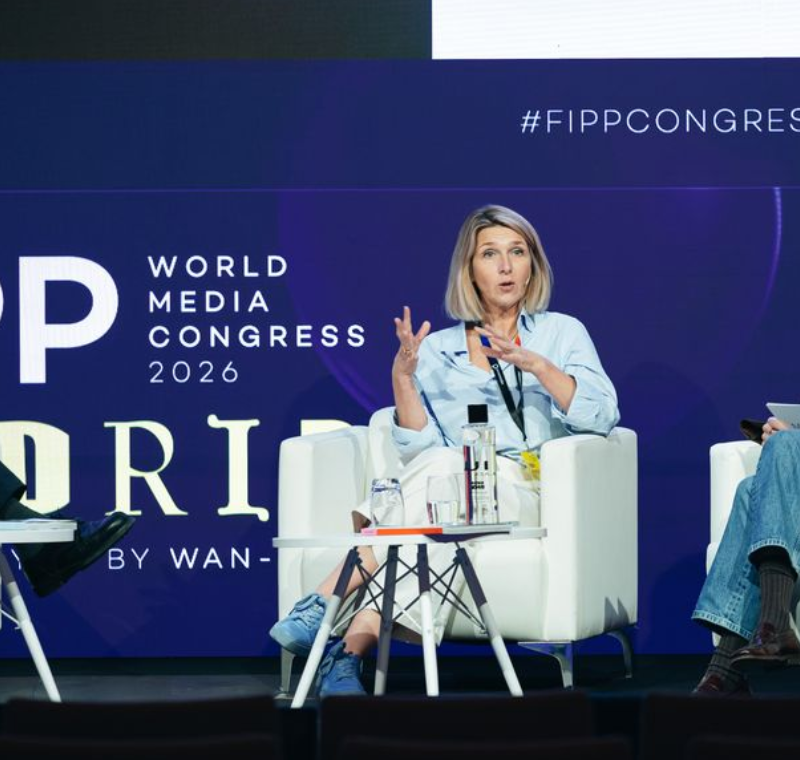
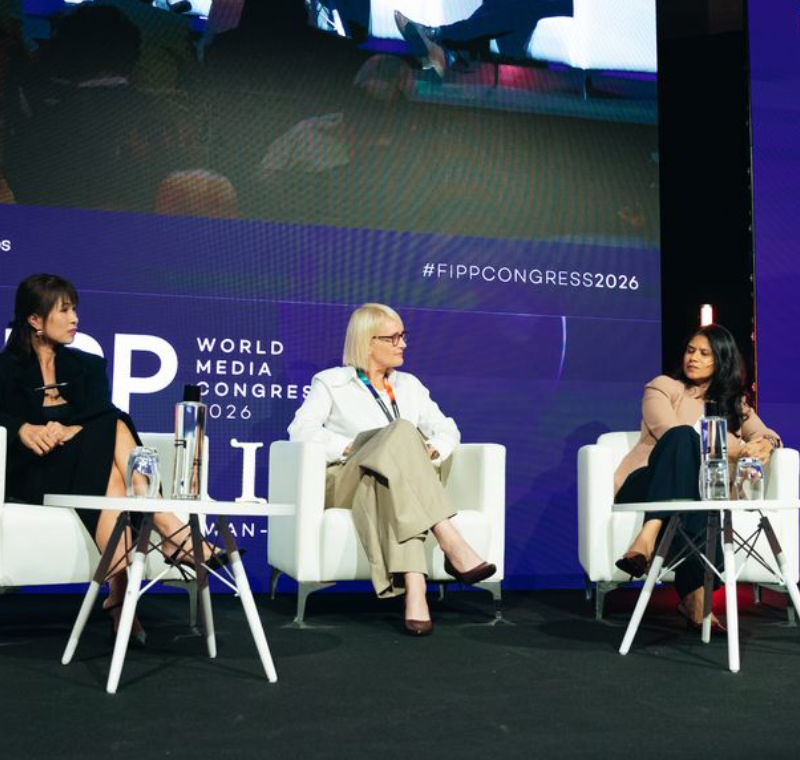
“We understand the diversification approach, of doing new things, as everything that is not related to selling print copies or selling advertising no matter the form or channel,” explained Cristina Martín Conejero, CEO of Hearst España, as she joined Lulu Skantze, Creative Director at Storytime Magazine, and Srinivasan Balasubramanian, Managing Director of the Chennai-based Vikatan Group for a conversation at the FIPP World Media Congress.
“And for that we’ve gone to the core assets of our portfolio, which is basically our brands, the trust we generate around our content, the content we generate and communities.”

CBE, Founder, Flashes & Flames; Lulu Skantze, Creative Director,Storytime Magazine; and Srinivasan Balasubramanian, Managing Director, Vikatan Group
Meanwhile, UK children’s publication Storytime always aspired to be more than a print magazine when it launched in 2014.
“From the start we understood we had to be an ecosystem, so we created Storytime with a brand mindset,” said Skantze. “We have an audio magazine, we have digital, we have activities, we have free downloads, we are creating craft and story clubs.
“I even do some consultancy on licensing because I always saw magazines as a huge licensing potential and licensing grows more than any other thing for us. I keep finding new sectors we can license content too.”
One of its most fruitful collaborations has been working with tech companies on developing apps for youngsters. “There are so many apps for kids and most of them are built by tech experts that have no idea how to create content,” said Skantze. “They have been our biggest partners because they constantly buy magazine content for the different platforms.
“We are also very big in education for the same reason, creating courses and different spaces for kids.”
For the Vikatan Group – a 100-year-old media company behind seven publications ranging from a movie magazine to a title giving personal financial advice – embracing television has been enormously beneficial.
“Our biggest source of revenue today is coming from television – producing the equivalent of telenovelas in multiple Indian languages,” revealed Balasubramanian.
More recently, Vikatan has been commissioned to carry out a pre-election survey on behalf of a client and has also launched a wealth management platform to cater to its personal finance community, recommending mutual funds and (eventually) insurance.
“With the wealth management platform, we have almost 1,000 clients on board within one year,” added Balasubramanian. “We get commission from the companies. We do not charge anything to our clients.
“We are trying to see how we can grow revenue opportunities using the (personal finance) community and the focus that we have with them, and the credibility that we have achieved from that.”
Lessons in luxury
Home to some of the world’s most renowned style bibles, it makes sense for Hearst to take a hands-on approach in shaping the next generation of creatives. In what is one of the brand’s most impactful extensions, the media company has helped to create university programmes linked to two of its magazines: Harper’s Bazaar and decorating title Nuevo Estilo.
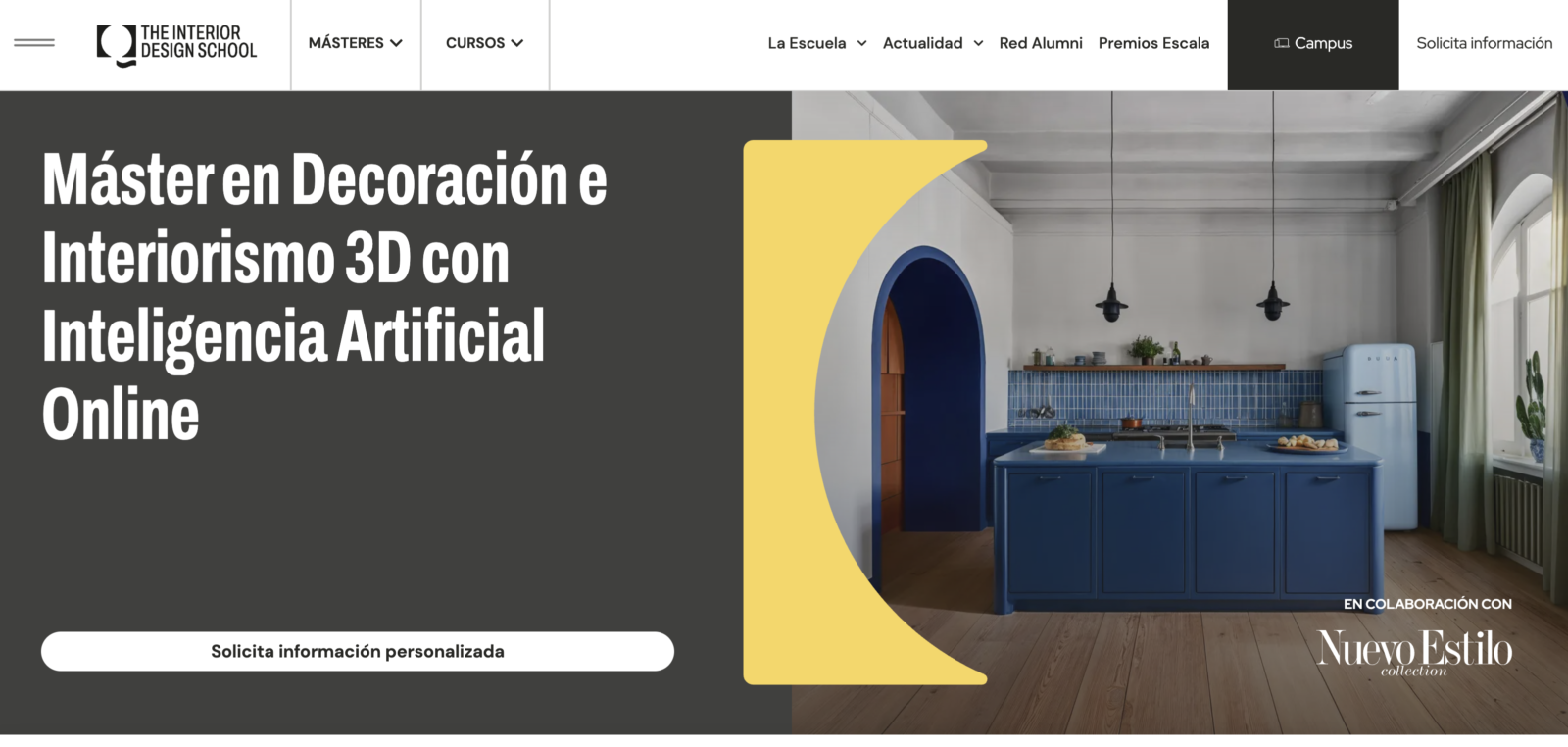
“We have partnered with universities to create unique value propositions for the students related to our brands,” said Conejero. “We have developed an MBA for luxury and for decoration.
“We approach these brand extensions in the way of – do what you know best. So, universities are great at education, creating the programme, great at teaching. We are good at adding this specific flavour involving the newsroom.
“The editor-in-chiefs of the magazines are involved, and we invite students to the newsroom to experience the point of view of a specialised luxury magazine.”
Over the years, Hearst has also excelled in affiliation and content creation, while the brand is planning to launch compelling new membership initiatives.
“We are very good at affiliation – telling our readers what they have to buy – which gives us nice business opportunities,” said Conejero. “Hearst also has its own creative agency, so we produce content not just for our titles but also for our customers – passing on the excellence of our magazines to advertisers.
“And we are eager to create membership programmes around our brands that is not just subscriptions but also includes our readers and make them part of our professional community.”

BREAKING: Congress 2026 tickets just dropped
48th FIPP WORLD MEDIA CONGRESS
13-15 October 2026, Madrid, Spain,
Style, storytelling and social media stars
For all three brands, events have been a crucial pillar in the journey to become multi-platform ecosystems.
Vikatan organises about 100 events throughout the year. The most significant of these is the Ananda Vikatan Cinema Awards, which represents about 60% the company get from events. It’s an award ceremony that grew organically.
“We had never conceived events as a revenue source about 10 years back – we just started showcasing the best talents in our magazine pages,” said Balasubramanian. “And while we were doing that, we also started showcasing real life heroes. We had the Cinema Awards and the Nambikai (Faith) awards – recognising those who do something for their community.
“These recognitions started on print, but then we realised we had to give something to the recipient. We created a plaque, then we created a statue.”
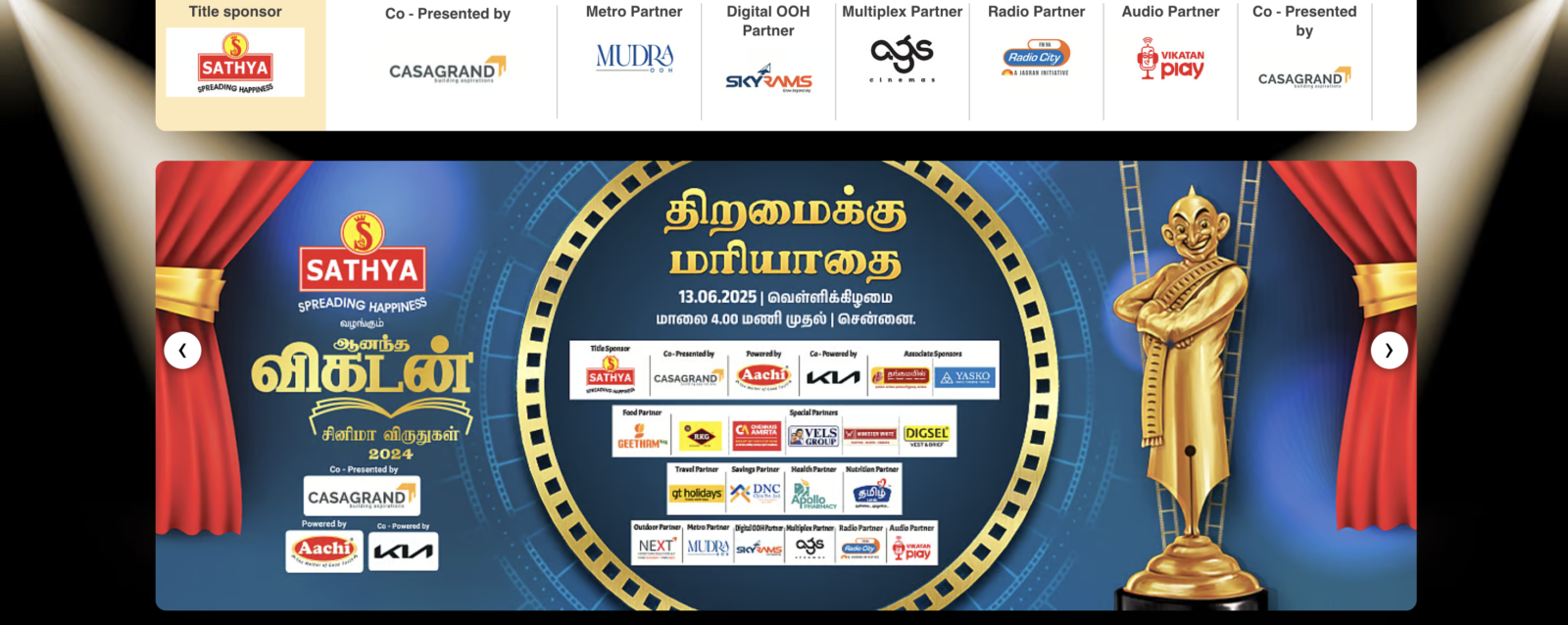
Such was the popularity of the awards it led to the Women’s Awards, Television Awards and most recently, Influencer Awards.
“We needed to reach out to younger members of the audience,” said Balasubramanian. “Many of these awards have an online component where users can choose who they want the award to go to. With the Influencer Awards we get 20 times the response we get for even the Cinema Awards.
“I often joke in our editorial meetings that we are an award management company who is masquerading as a magazine brand.”
While not on the same scale, Storytime hosts storytelling book clubs and community-led events that are extremely important to the brand’s growing audience.
“Because community is such a big value now for readers, people started to create events locally with no content,” said Skantze. “They just want to get together. They’re desperate for connection and they need someone to come in and help them.
“So, we have been bringing the magazine into a lot of setups. For example, there is offline clubs where young people want to disconnect, they want to leave their mobiles behind, and they actually didn’t know what to do at these events.
“Someone created that, they all joined it, and the events were sold out. And then you go and say, do you need something to do? You can read stories, you can do crafts.”
For Hearst, organising events, including the high-profile Men of the Year and Elle Style Awards, has also been driven by wanting to connect with its community.
“The events in our case were strategic because we want to celebrate or honour somebody that is really relevant for the community,” said Conejero.
“And of course it has become a significant source of not just revenue but also of linking to the community and of marketing for the brand. It’s a way of us creating buzz. We become the news many times when we are honouring somebody that comes to our event and that also makes the brand more alive than ever.”
Just how well Hearst is connecting with its readers was underlined by a recent Women’s Health event which saw 1,500 participants enjoying masterclasses and activities.
“It’s another way of linking with our readers and enlarging the community,” added Conejero. “We use experiential events to engage with communities and reposition brands.”
Print endures
While they have all expanded in myriad ways, none of the brands will ever forget that it all started with print. In fact, for Hearst, Storytime and Vikatan paper isn’t just surviving, but thriving.
“One of the things in which we are also diversifying is print,” said Conejero. “We are all talking about AI, but print is no longer something that is declining, it’s not dead at all.
“We are seeing that more people are really eager to read all our magazines. So, diversification is also happening in terms of magazines, with new supplements.”
For Storytime, print is a vital part of one of its most important missions: getting more youngsters to fall in love with reading.
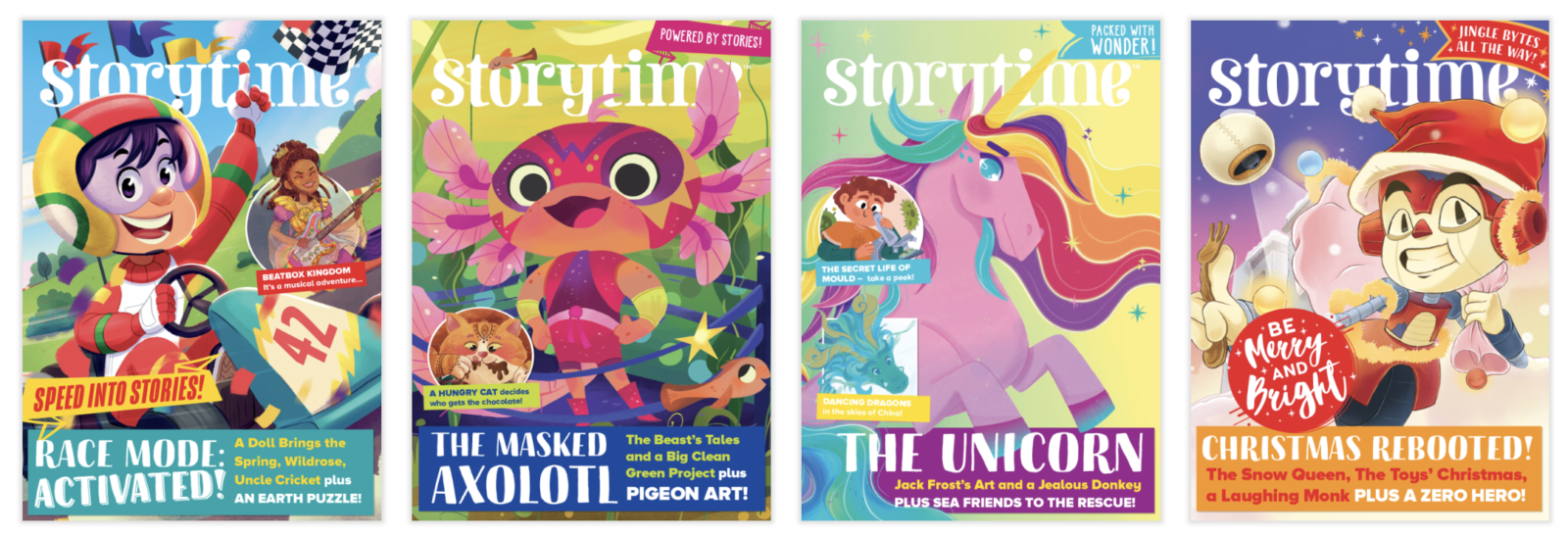
“The UK has decided 2026 is the national year of reading because of the reading levels and the lack of engagement,” said Skantze. “So, we started to tag along to this movement and reach out to partners with big plans on this stage by saying – partner with us because a magazine reaches your readership more than books since they’re easier for kids to engage with.”
These partnerships meant Storytime could do one of the biggest print runs in the UK for one issue for the UK government.
Skantze also stressed the importance of magazines when it comes to events. “Would awards have any value if they didn’t have a magazine as a stamp of approval?” she asked. “You want an authority to tell you it’s worth it, otherwise it’s just an award. That’s why magazines are important because people trust them.”
Balasubramanian agreed: “The awards would never be what they are if there wasn’t the magazine brand behind it. Each of our seven magazine brands have an award which is related with that magazine and what the magazine stands for.
“You get it from the magazine and then you give it back to the magazine because it cannot survive on its own.”