
Novel ideas: Lucy Feldman on championing the written word with Time’s 100 Must-Read Books of 2026
Celebrating the enduring power of the written word, the announcement of Time’s 100 Must-Read Books of the Year has become a red-letter day in the literary world and beyond. This year’s list, released this week, is extra special.
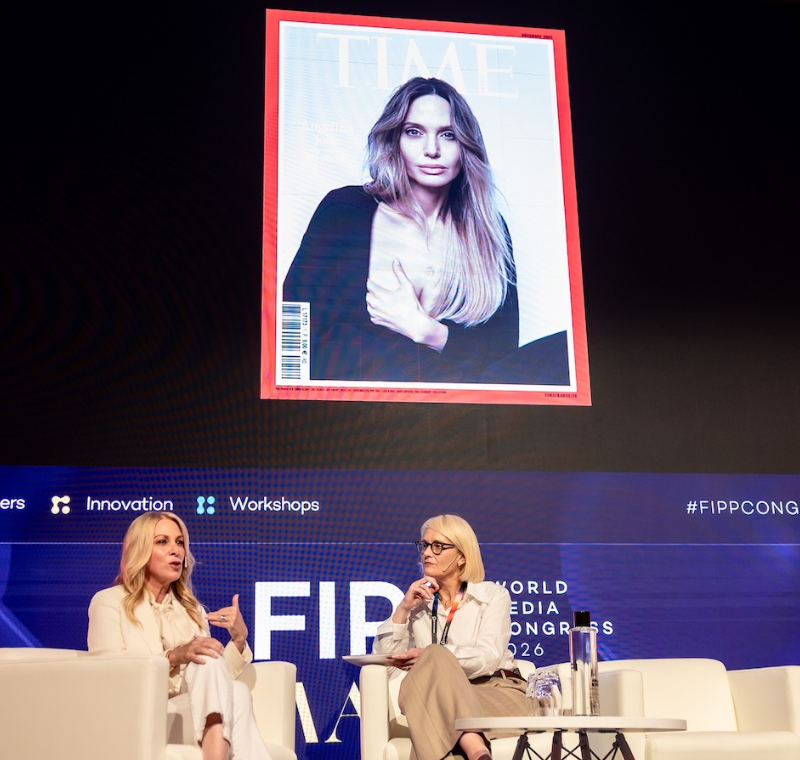
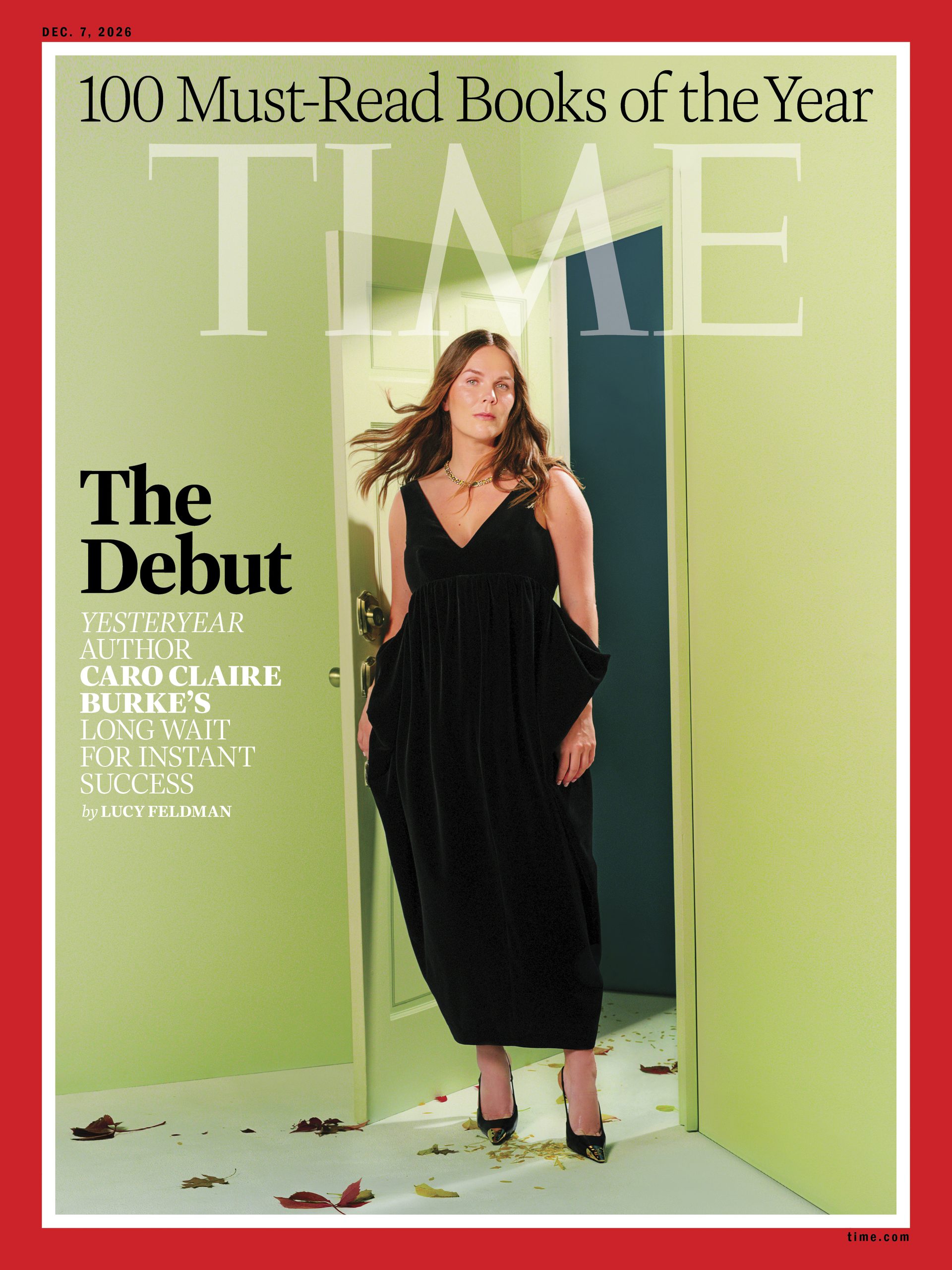
For the first time ever, one of the authors, Caro Claire Burke will be featured inside the famous red border on the cover of Time. The edition also has an extensive interview with writer, whose novel Yesteryear, about a tradwife influencer who wakes up in the 19th century, has sold 3.5 million copies.
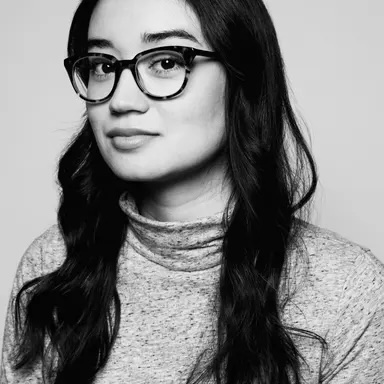
As the latest list is revealed, we caught up Time’s Editorial Director, Lucy Feldman – the driving force behind the 100 Must-Read Books project since it was launched in 2019 – to talk about what it takes for a novel to make the list, how authors feel about the rise of AI and the books that inspire her.
How do you reflect on running eight editions of Time’s 100 Must-Read Books of the Year list?
It means a lot to me. I’m a lifelong reader and admirer of authors and the magic and intense labour it takes to bring a book into the world. I really believe in the importance of books and reading. The fact that Time has allowed me to brainstorm projects like this – and always try to keep pushing things a little further by experimenting with new ways we can tell stories with books and authors – means the world. I feel really grateful, especially in a time when books coverage is dwindling in some ways. The loss of The Washington Post Book World literary section was really sad, and I think everybody felt that deeply. We’ve had to adapt too. But I think we’ve done a good job of finding ways to offer the kind of journalism that our audiences and our readers are really interested in.
For the first time, this year’s 100 Must-Read Books list is accompanied by a Time cover and story featuring Caro Claire Burke. It says a lot about Time’s commitment to promoting books.
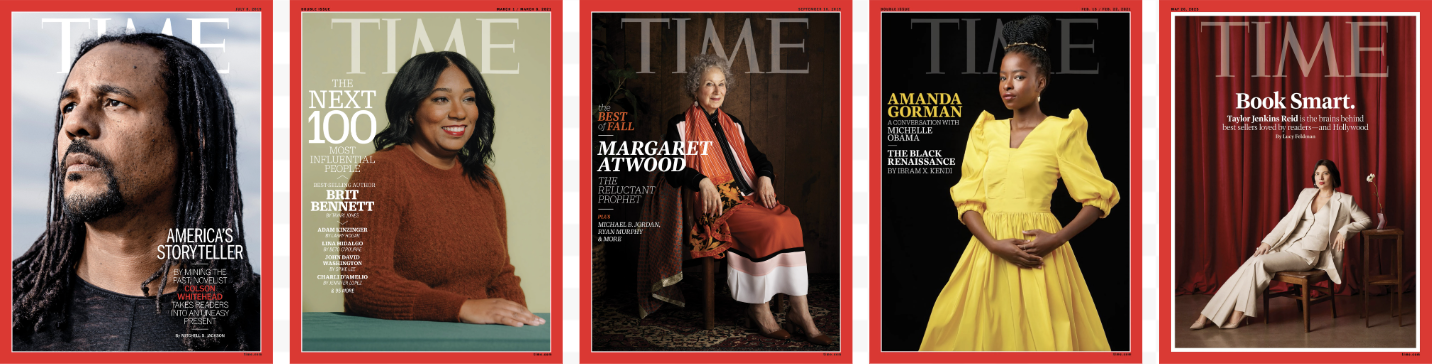
Yes, it’s a very exciting moment. When I started in this role, we hadn’t had an author on the cover of Time at all in about a decade. We put Colson Whitehead and Margaret Atwood on separate covers in summer and fall of 2019, and they became the first ones in a decade since Jonathan Franzen. We’ve made an effort through the years to keep doing that, but this was the first time that we’ve ever put this list into print and had a cover to go with it. And authors are totally worthy of this space. They are artists. They are influencers. They are sharing important messages and ideas with the world.

FIPP Insider New York
3 December 2026, People Inc. Event Center
Join TIME, The Atlantic, People Inc. and more for a full day of fresh insights and new connections.
You cast the net wide when compiling the list. What do you look for in a book for it to make the cut?
We look for a lot of things. We look for books that just tell a great story – books that really draw you in and get you emotionally invested. We look for books that push a conversation forward or push the news forward in some way. We look for books that are just on a craft level – really impressive, innovative, exciting and showing what the form can be. The framing of the project is the 100 Must-Read Books of the Year, which is really reflective of a broader philosophy that we have at Times about our obsession with influence. We really like to tell stories of influence. Who is having an impact? What is having an impact? This is not the 100 best books of the year. The 100 Must-Read Books of the Year are the books that started conversations and that people couldn’t put down – books people were really obsessed with for one reason or another. There’s also some stuff that people might have missed that we feel is really worthy of attention.
One of the cornerstones of Time’s longstanding success is the trust readers have in the brand. How important is that faith when it comes to drawing up a list of must-read books?
Oh, it’s so important. I think everyone who works on the journalism here, feels the importance of that and the pressure of that every day. When it comes to the books coverage, I would certainly never want to put something on this list that I thought was damaging or not worth someone’s time.
Which books on the list really spoke to you?
Caro Claire Burke’s Yesteryear was obviously a standout because of the conversation it started, selling 3.5 million copies. Another book I connected with was Jennette McCurdy’s Half His Age. It was really her introduction as a fiction writer, and she just knocked it out of the park. It was so kind of raw and reckless. She just really went there and created this unforgettable character in Waldo, and that one really stuck with me. It lingered, and that’s always pretty telling to me. Another one that stood out was Nadia Murad’s memoir I Choose My Beginning. Her story is well known at this point. She’s a winner of a Nobel Prize. She was a survivor of Yazidi genocide at the hands of the Islamic State and was held in captivity. She went through something horrific, and she already wrote a book about that story. You never know with a second memoir, if that second bite of the apple is going to be really effective, but this one was just an incredible story, and one that she could only tell with some critical distance. She’s also had time to process what happened to her after she escaped and was put on this pedestal as the face of a movement. She tells some really interesting stories about people’s behaviour behind the scenes. I was really impressed by that book.
We, of course, live in a world where so much is consumed on screens. Where do books fit into that landscape?
It’s funny. It feels like this was a year where we talked a lot about the death of reading, but also how obsessed people are with books at the same time. So, living between these two poles of conversation is really interesting, especially when part of your job is to spend your time thinking about books. To me, books are out there and people are reading. I love a physical book. I think that it’s the only time where I sit down and do one thing, and I think that’s really valuable, just for my mental health. And I think other people feel that way too. But I know it’s hard for people to sit down and focus.
As part of the project, you interviewed Caro Claire Burke and some of the other authors. What were those conversations like?
I really love speaking with authors because they have so much to say. They’ve thought about it a lot. They took a year or two or 10 to write the book that they’re putting out in the world. They have interesting ideas, and they’re not guarded. They’re not worried about saying too much about their personal life, so we can get into some really great conversations. And I think it’s always so enriching to understand what someone was thinking, what they were kind of mulling over as they were creating something.
How do they feel about the rise of AI?
For the Time shoot we had six authors. I had these questions prepared about AI, and I didn’t have to ask any of them because they all brought it up. And they basically all said the same thing: I’m worried about AI, but we will always need real writers writing real human stories.
What about your own relationship with books. Where does your love for reading come from?
Both my parents are really big readers. When I was growing up, it was always like: “Where’s dad?” And he was upstairs with his book. And I remember really living for the summer, reading books that I would get from the local library. And I went on to become an English major, so sort of the classic story. I think my taste has evolved over the years, but I can find something to appreciate in most books.