
“We don’t underestimate our readers”: Manera on taking a print-first magazine international
How Manera has grown from a Spanish interiors title into editions in Mexico and Benelux – while keeping a distinctive editorial identity across print and digital.
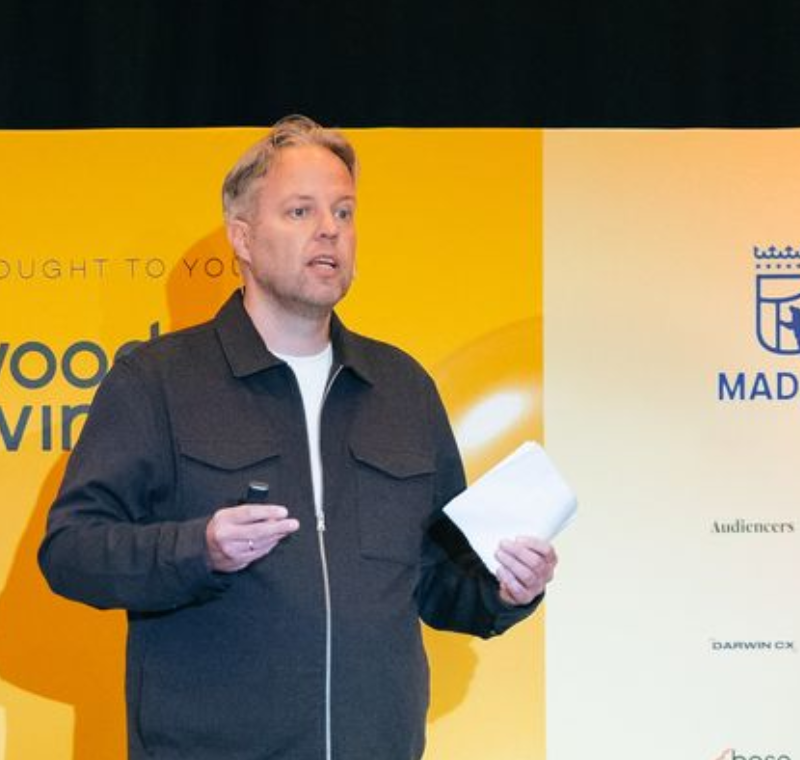
Launching a new print magazine in 2022 was, as Manera Founder and Editor Enric Pastor acknowledged at FIPP World Media Congress today, “a rather unusual business decision”.
At the time, he said, much of the industry’s attention and investment was moving towards faster, shorter and increasingly digital content. Manera went the other way: a quarterly print title dedicated to interiors, architecture, design and culture, with more than 300 pages per issue.
“We sensed a growing fatigue with algorithms, clickbait and less information – and now we’re seeing it also with AI,” Enric told delegates. “We believed there was an audience looking for something different: editorial judgment, quality and a magazine worth keeping.”
Print was initially the entire proposition, with digital platforms added later. Enric said the quarterly frequency gave the team time to produce the photography and long-form writing it wanted. “We wanted to explore interiors through the people who inhabit them, the designers who create them and the cultural context that gives them meaning,” he said.
Manera began with a print run of 10,000 copies in Spain, rising to 16,000 in its second year and 20,000 in 2026. Enric said its audited average circulation had reached 8,000 copies per issue by 2025, while several established interiors titles in Spain were losing circulation.
“There was still room in the market for a magazine with a distinctive editorial identity,” he said.
Crossing borders
Latin America was part of Manera’s editorial outlook from the beginning, with the team interested in design stories from markets including Mexico, Colombia and Argentina that Enric felt were often overlooked by European design media. “What started as editorial curiosity eventually became a business opportunity,” he said.
In 2023, the team found that distributing Manera in Mexico would cost roughly the same as printing it locally. Manera Mexico launched in March 2024, initially using material produced in Spain; by its third issue, Enric said around 90% of its content was being produced locally. Manera Benelux followed in September 2025, taking the combined print run across the three editions to around 50,000 copies per issue.
For Evelien Reich, Editor-in-Chief of Manera Benelux, the challenge was making the edition feel genuinely local without losing the identity of the wider brand.
“What I believe travels from Spain is Manera’s editorial spine,” she said, pointing to its photography, graphic framework, narrative depth and commitment to international journalism. “What we needed to add from our end is an editorial network – the relationships with local architects and designers, an understanding of the market and, of course, the stories themselves. A shared identity gives us the foundation, but sharp knowledge on the ground gives us authority and relevance.”
Shared stories are adapted rather than simply reproduced. “We share a common ethos, but each edition needs to have the autonomy to speak to its own audience with authority,” she said. “The identity is shared, but the stories belong to each locale.”
“People actually read”
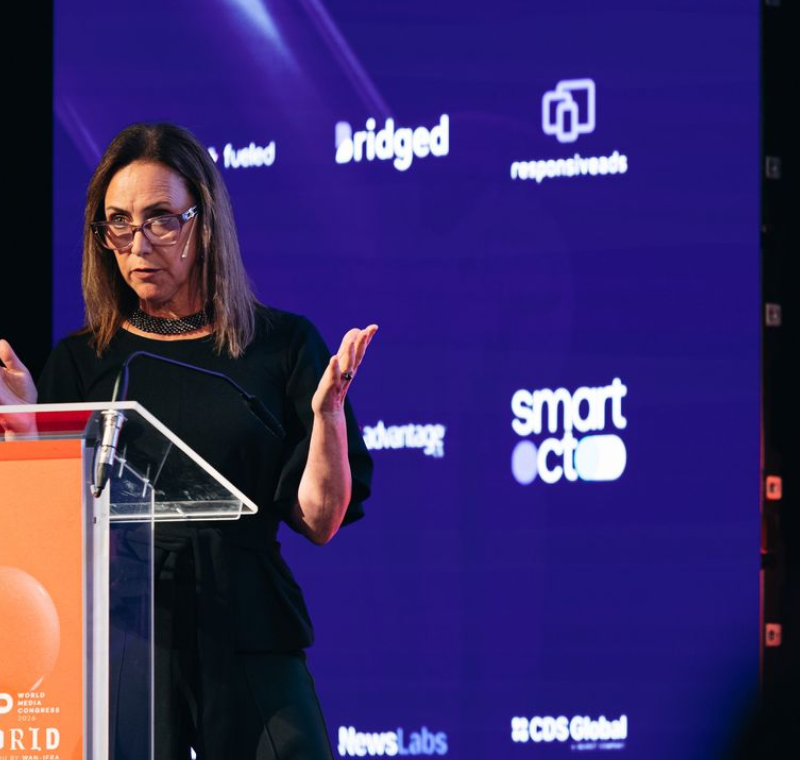
Manera Digital Editor Carolina Freire Vales outlined how the same editorial approach has been applied online.
The website, launched three years ago, was designed around slower storytelling, with thematic sections and hand-picked pieces rather than a high-volume publishing model.
“We hear all the time that people no longer read, that audiences want quick content and that everything needs to be simplified in order to attract attention,” Carolina said. “But actually our experience suggests something much more interesting: people actually read if they feel that the content is interesting and appealing.”
Manera’s website now reaches around 80,000 monthly users, with average engagement time per article of around one minute and 20 seconds. Carolina said its two editorial newsletters, sent to 17,000 people each weekend, regularly achieve open rates close to 60%.
The newsletters are created specifically for the format rather than repackaging website content. “Readers connect with them and they respond to them either via email or social media because they feel there is a person behind,” Carolina said.
On social media, Manera has chosen to concentrate on Instagram rather than maintain multiple channels. The account has grown to almost 200,000 followers, and Carolina said engagement rose significantly after the team began using carousels and more text to tell the stories behind its images.
“We decided to prioritise quality over quantity,” she said. “We don’t simplify language just because content is published on the website or on Instagram. For us, it all comes down to something very simple: we don’t underestimate our readers.”
Three lessons, four years
Looking back over Manera’s first four years, Enric identified three lessons: the value of a strong editorial identity, the importance of local teams and the way editorial quality and business success can reinforce each other.
“You cannot run a truly local magazine from the other side of the world,” he said. “You need a local team that knows the market, understands its people and can make its own editorial decisions.”
For Enric, those local editions also make Manera stronger as a whole, bringing in new photographers, designers, stories and perspectives. “The third lesson is that editorial quality and business success can reinforce each other,” Enric said.
Enric said Manera is exploring new international markets. “Our greatest opportunity is to build on a shared editorial identity while giving each edition the freedom to develop its own personality.”
“We started with a simple ambition to create a magazine we truly believed in,” he said. “Four years later, Manera is published in three markets. What started as a Spanish magazine is becoming an international editorial universe, connected by a shared point of view and enriched by our local stories.”